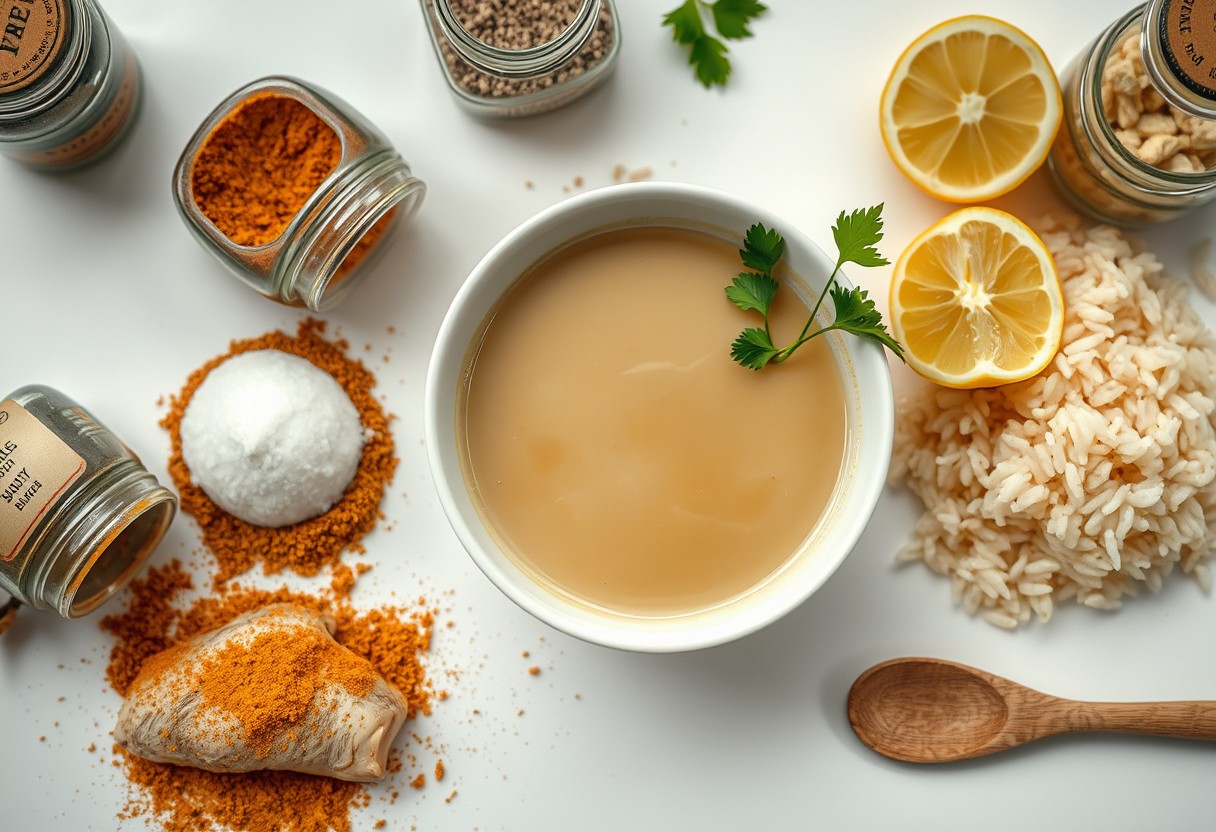
Why Your Food Tastes Bland Even When You Use Plenty of Seasoning

You’ve added salt, spices, and herbs-yet your dish still falls flat. The problem may not be how much seasoning you use, but when and how you apply it. Heat, fat, acidity, and ingredient freshness play dangerously overlooked roles in flavor development. Understanding these factors transforms lackluster meals into deeply satisfying ones. Key Takeaways: Food can … Read more

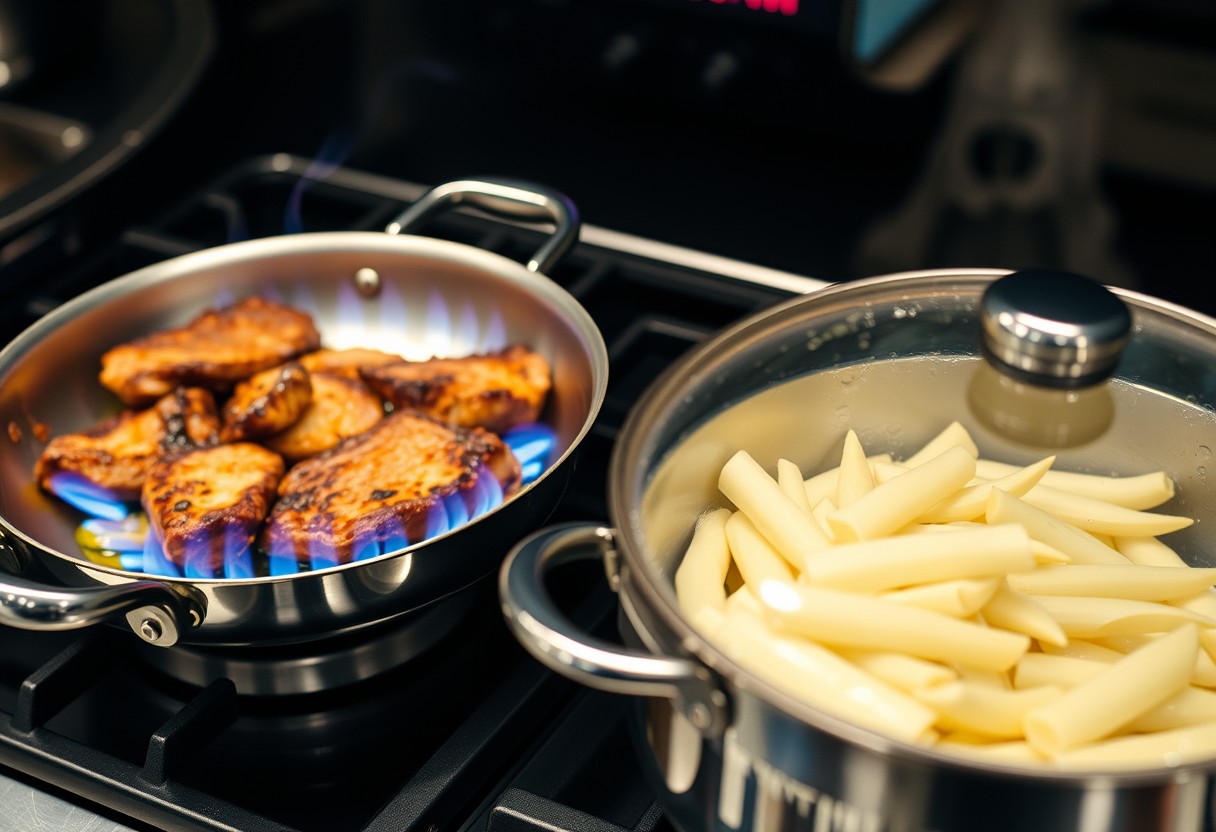
Why Food Browns in One Pan but Steams in Another

You’ve likely seared a steak or sautéed vegetables only to find them steaming instead of browning, even on high heat. The difference lies in your pan’s material and how it transfers energy. Proper browning requires rapid, even heat delivery-something not all cookware provides. When moisture lingers instead of evaporating quickly, the food steams, robbing it … Read more

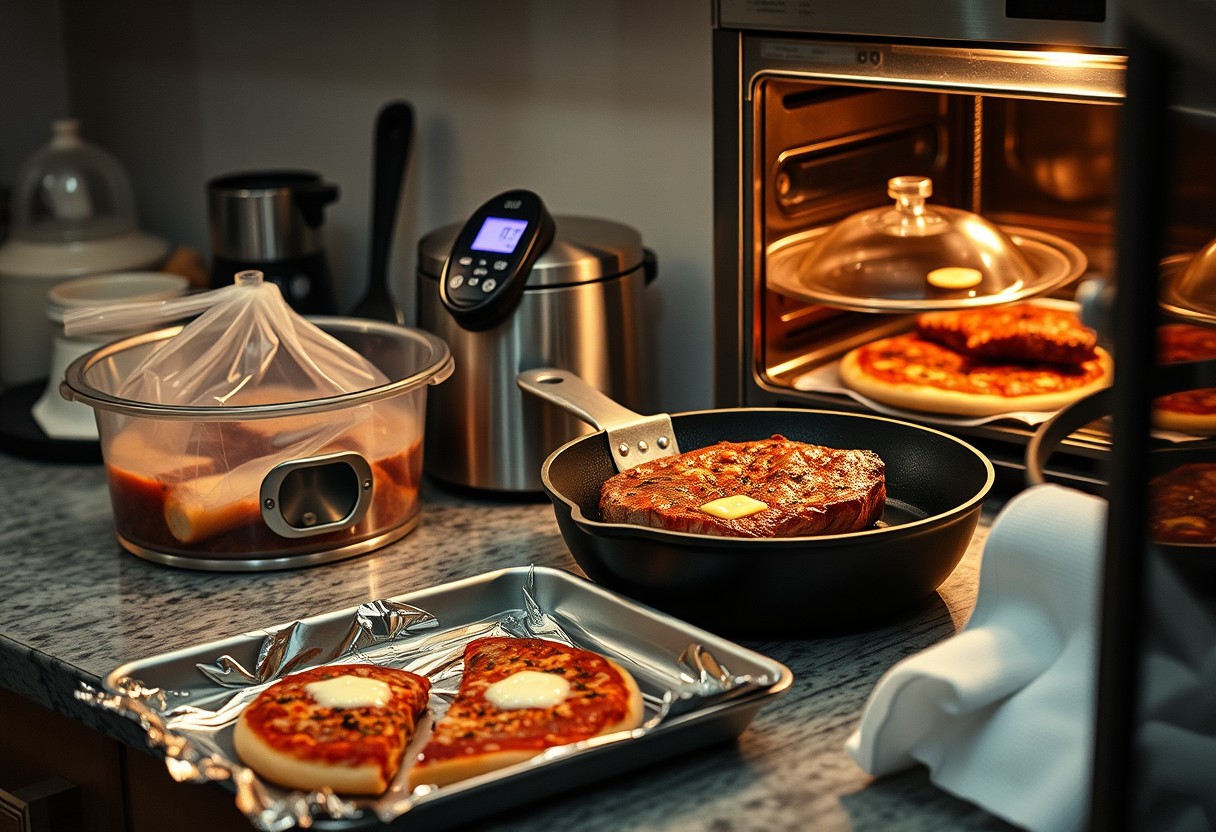
The Best Way to Reheat Foods That Easily Turn Tough or Dry

You’ve probably ruined a perfectly good portion of chicken, pasta, or steak just by reheating it the wrong way. The truth is, high heat and dry methods destroy texture fast, turning tender leftovers into rubbery or parched disappointments. But you can prevent this. With the right technique, you preserve moisture, restore texture, and keep flavor … Read more

Why Your Homemade Sauce Separates-and What to Do Before Serving It

You’ve carefully crafted your sauce, only to find it split or greasy just before serving. This separation isn’t just unappetizing-it can signal broken emulsions or overheated ingredients. The good news? You can often fix it quickly with simple, science-backed techniques. Understanding why sauces fail gives you the power to correct them-and prevent future breakdowns. Key … Read more

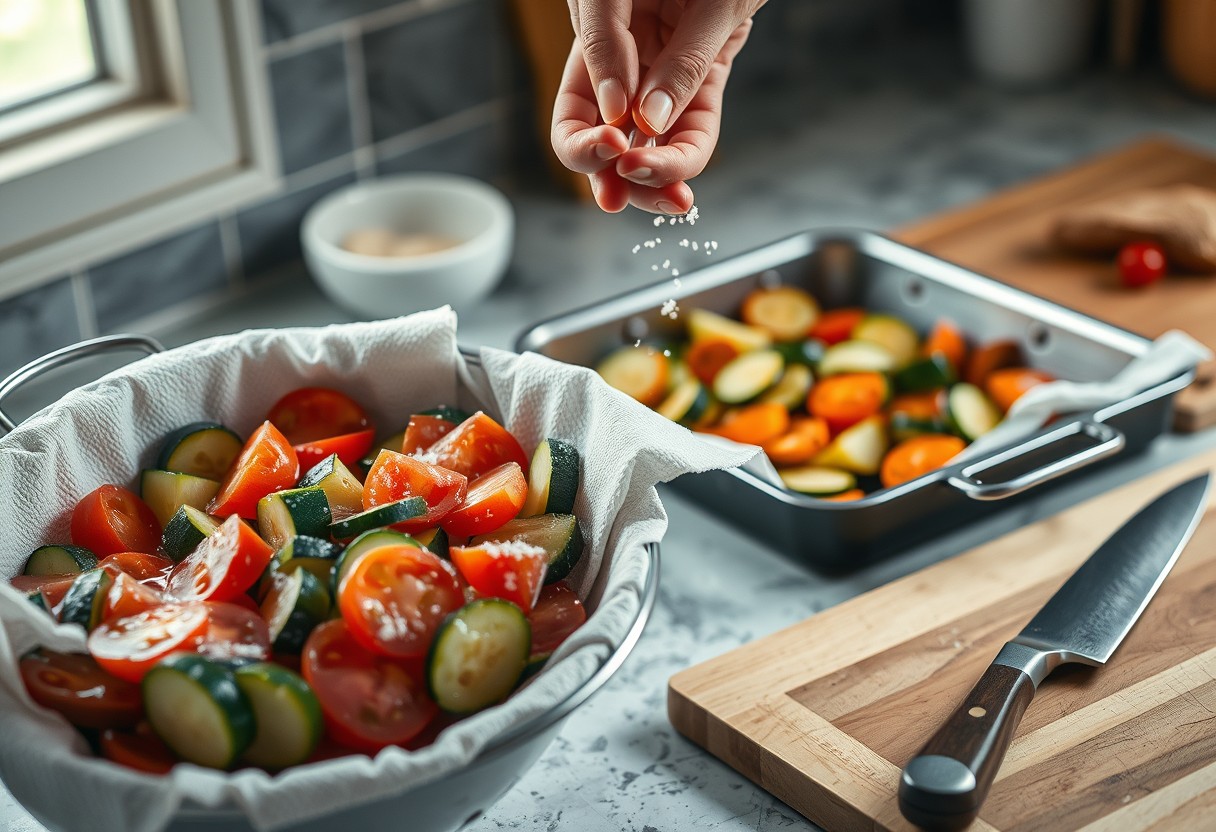
Why Your Vegetables Sometimes Taste Watery-and How to Fix It

You’ve likely bitten into a tomato or cucumber only to find it bland and overly juicy. This lack of flavor often stems from excess water diluting natural sugars. Poor soil conditions, inconsistent watering, and harvesting at the wrong time can all contribute. The good news: simple changes in how you grow and handle produce can … Read more

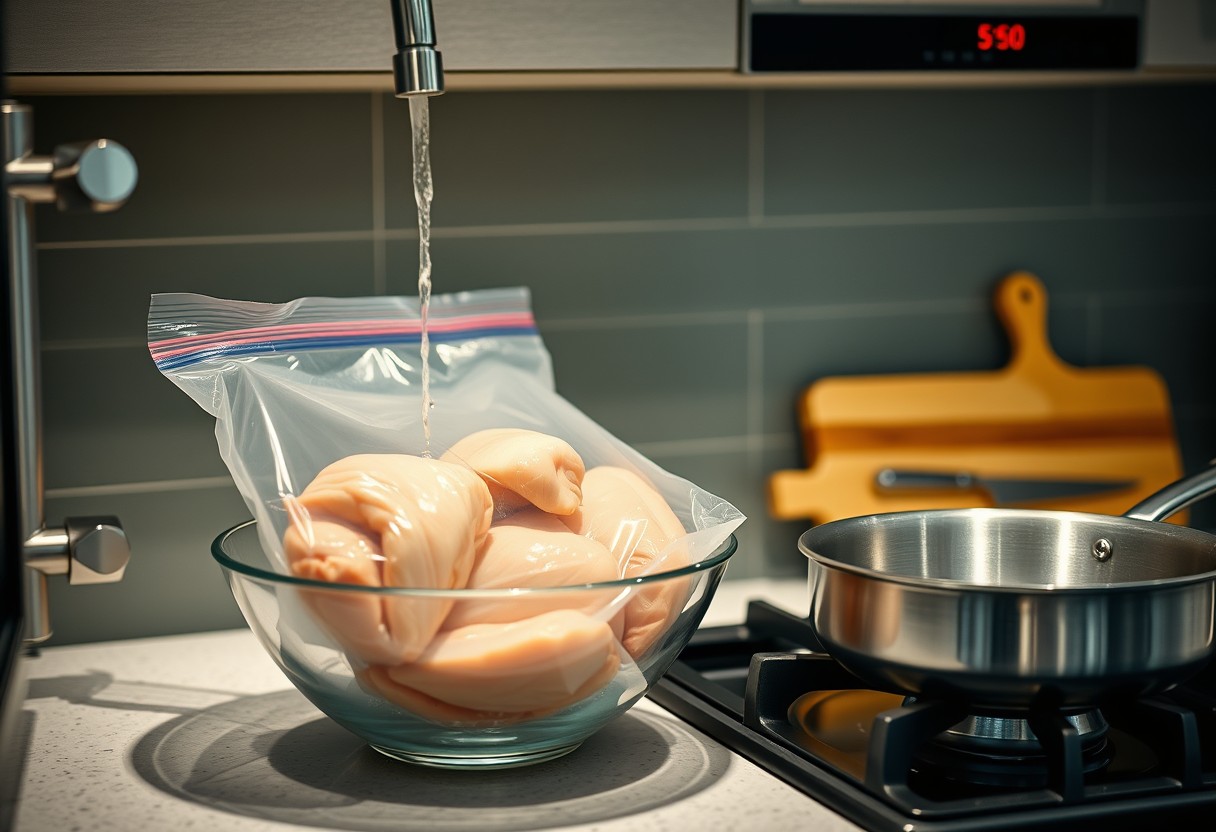
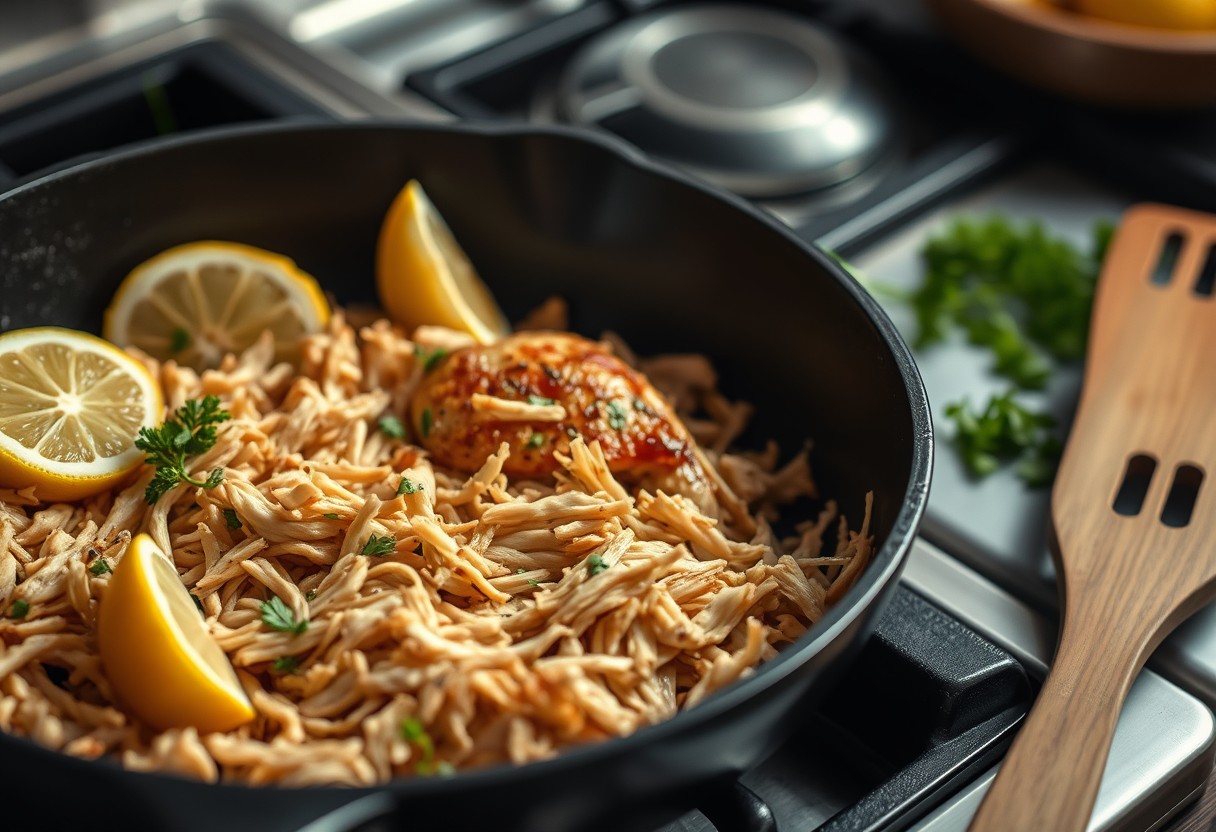
How to Make Leftover Chicken Taste Fresh Instead of Reheated

You’ve probably tossed cold, rubbery chicken into the microwave only to be disappointed by its dry, stale taste. The truth is, leftovers don’t have to taste like leftovers. With the right techniques, you can prevent that unpleasant warmed-over flavor caused by oxidation and keep your chicken juicy and flavorful. This guide shows you how to … Read more

Why Your Microwave Seems to Take Longer to Heat the Same Food

You’ve reheated the same bowl of soup a hundred times, but now it takes longer and heats unevenly. Aging components like the magnetron may be losing power, reducing efficiency over time. Electrical fluctuations or built-up grime inside the cavity can also sabotage performance. Even your habits-like using a different container or skipping stirring-can significantly alter … Read more

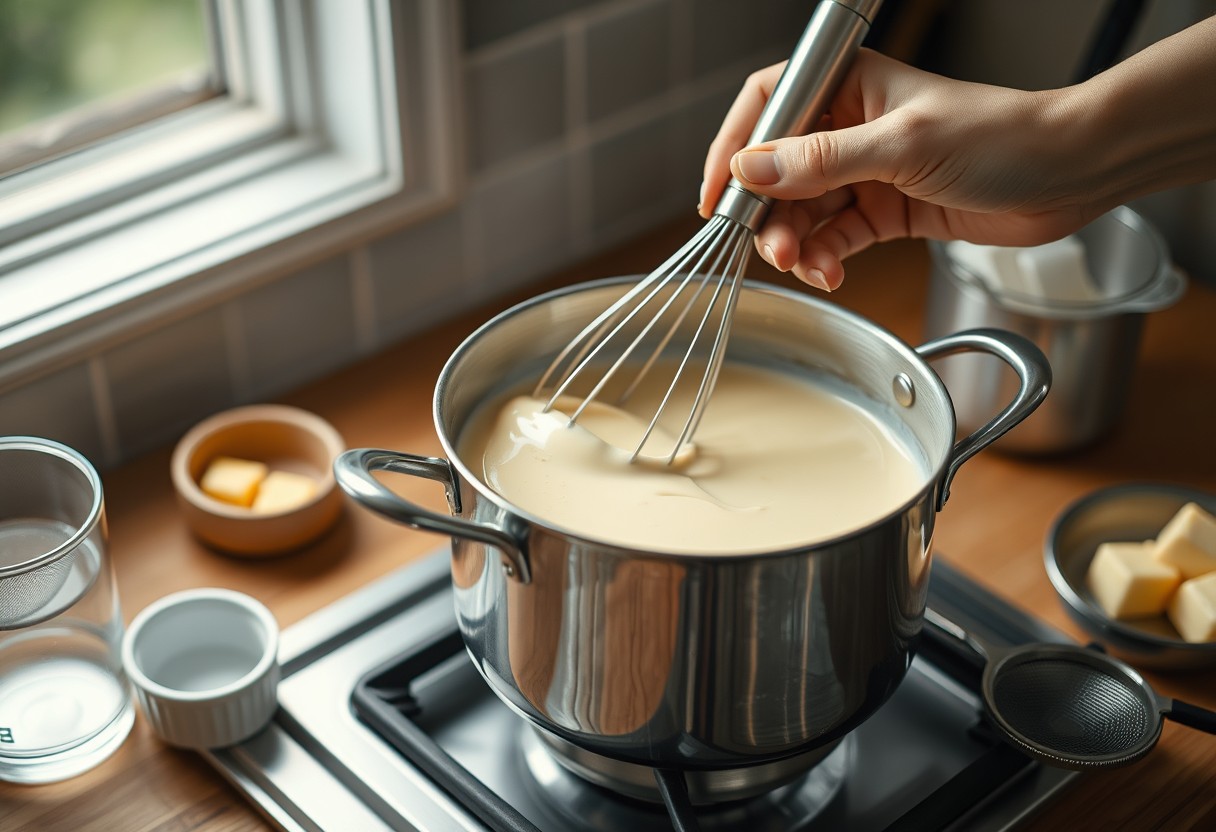
How to Prevent Dairy-Based Sauces From Becoming Grainy or Lumpy

You’ve likely stirred a creamy sauce only to see it turn grainy, broken, or lumpy-especially when using milk, cream, or cheese. This texture disaster often happens due to overheating or rapid temperature shifts. The good news: with the right techniques, you can maintain a smooth, velvety consistency every time. Knowing how to manage heat and … Read more