You’ve likely bitten into a tomato or cucumber only to find it bland and overly juicy. This lack of flavor often stems from excess water diluting natural sugars. Poor soil conditions, inconsistent watering, and harvesting at the wrong time can all contribute. The good news: simple changes in how you grow and handle produce can dramatically improve taste.
Key Takeaways:
- Overwatering dilutes natural sugars in vegetables, leading to a watery taste; adjusting irrigation to match plant needs and weather conditions helps concentrate flavor.
- Soil quality directly affects taste-vegetables grown in nutrient-poor or poorly drained soil often lack depth of flavor; amending with compost and ensuring proper drainage supports richer, more robust produce.
- Some vegetable varieties are bred for yield or appearance rather than taste; choosing heirloom or flavor-focused cultivars can make a noticeable difference in sweetness and intensity.
Understanding the Biological Factors of Flavor Dilution
Vegetables develop weak flavor when their cells absorb too much water, diluting natural sugars and aromatic compounds. This imbalance stems from biological processes influenced by environmental conditions. Osmosis drives water into plant roots when soil moisture exceeds the plant’s internal concentration, while rapid growth spurred by excess nitrogen or inconsistent watering produces larger but less dense tissues. These factors reduce the intensity of taste without altering appearance, making it hard to detect until harvest. Understanding these internal mechanisms helps explain why seemingly healthy plants yield watery, bland produce.
The role of osmosis in plant cells
Your plant roots continuously draw in water through osmosis, a process where water moves across cell membranes from areas of low solute concentration to high solute concentration. When the soil contains more water than the plant’s tissues, excess moisture floods the cells, thinning out sugars and flavor compounds. This dilution effect is especially pronounced in leafy greens and juicy vegetables like tomatoes and cucumbers. Over time, repeated exposure to saturated conditions causes cells to swell and stretch, further reducing flavor density.
Why rapid growth leads to blandness
Rapid growth often comes at the cost of flavor development in your vegetables. When plants receive too much water or nitrogen, they prioritize cell expansion over synthesizing complex compounds like sugars, acids, and volatile aromatics. This results in larger, plumper produce that looks appealing but tastes noticeably flat or insipid. Fast-growing cells have thinner walls and more water-filled vacuoles, which physically dilute taste. Slower, steady growth supports richer flavor profiles by allowing time for these essential compounds to accumulate.
Amending Soil for Optimal Drainage and Nutrients
Incorporating organic matter for structure
Organic matter like compost, aged manure, or leaf mold transforms dense, compacted soil into a loose, crumbly medium that supports strong root development. When you mix these materials deeply into the top 6-8 inches of soil, they improve both aeration and water movement while preventing saturation that dilutes flavor compounds. Over time, decomposing organics also release essential nutrients in a steady stream, feeding plants without overstimulating leafy growth at the expense of taste. This balance is key to producing vegetables with concentrated, robust flavors.
Using raised beds to prevent waterlogging
Building raised beds gives you direct control over soil composition and drainage, especially in areas prone to heavy rainfall or slow-percolating clay. By elevating your planting area, excess water drains away quickly, reducing the risk of root suffocation and flavor-diluting stress responses. Fill the beds with a blend of topsoil, compost, and coarse sand to create an environment where roots thrive without sitting in water. The improved conditions lead to healthier plants and more flavorful harvests.
Establishing a Strategic Irrigation Schedule
Monitoring soil moisture levels
You can avoid waterlogged roots by checking your soil’s moisture before turning on the irrigation system. Insert a finger or soil probe two inches deep-if it feels damp, wait before watering. Over-reliance on timers often leads to excessive saturation, which dilutes nutrient uptake and weakens flavor development. Plants in containers or raised beds may dry faster, but they also drain quicker, so adjust frequency based on real-time conditions rather than a fixed routine.
The benefits of deep, infrequent watering
Watering deeply but less often encourages roots to grow downward in search of moisture, creating a more resilient plant. Shallow, daily sprinkling keeps roots near the surface, where they absorb too much water and too few nutrients, leading to watery-tasting produce. When you do water, apply slowly and thoroughly, allowing moisture to penetrate at least six inches into the soil. This method supports balanced growth and concentrated flavor compounds in your harvest.
Selecting Cultivars Known for Intense Flavor
Some vegetable varieties naturally pack more flavor because they’ve been bred or preserved for taste rather than yield or shelf life. You’ll find that certain cultivars hold less water and higher concentrations of sugars and volatile compounds responsible for aroma and depth. Choosing these flavorful types from the start sets a strong foundation for vibrant, satisfying produce. Flavor intensity begins with seed selection, so prioritize varieties celebrated by chefs and gardeners for their rich, savory profiles.
Heirloom versus hybrid water content
Heirloom vegetables often deliver deeper flavor due to generations of selection for taste over transportability. Many heirlooms have slightly lower moisture content than modern hybrids bred for uniformity and durability. While not all heirlooms are dry-fleshed, you’re more likely to encounter rich, concentrated flavors in varieties like ‘Brandywine’ tomatoes or ‘Moon and Stars’ watermelons. These open-pollinated types were never designed to survive long-haul shipping, which means less compromise on juiciness at the expense of taste.
Choosing low-moisture tomato and squash varieties
For tomatoes, seek out paste or plum types such as ‘San Marzano’ or ‘Amish Paste’, which are naturally denser and less watery. These varieties have thicker flesh and fewer seed cavities, resulting in richer flavor and better cooking performance. When growing summer squash, opt for compact zucchini like ‘Costata Romanesco’, known for its firm texture and lower liquid content. Selecting these specific cultivars helps ensure your dishes won’t be diluted by excess moisture.
Harvesting Tips to Preserve Natural Sugars
Timing your harvest correctly ensures you capture the peak concentration of natural sugars in your vegetables. Picking too early or too late can lead to noticeably duller flavor and a watery bite. Focus on observing physical cues like color, size, and firmness, as these are reliable indicators of maturity. When you harvest at the right moment, you preserve the plant’s sugar balance before it begins converting those sugars into starch or gets diluted by excess moisture. This simple shift in timing makes a measurable difference in taste.
- Harvest during the cooler hours of the morning for peak sugar retention
- Look for full color development and consistent size as signs of maturity
- Avoid picking after heavy rain or irrigation to prevent dilution
- Use sharp tools to minimize plant stress and preserve energy reserves
- Handle produce gently to prevent bruising and sugar degradation
Identifying peak ripeness indicators
You can detect peak ripeness by paying close attention to visual and tactile cues specific to each vegetable. A deep, uniform color-such as rich red in tomatoes or vibrant orange in carrots-signals full sugar development. Size matters, but only when paired with firmness; oversized produce left too long often has a fibrous texture and diminished sweetness. For squash and melons, a hardened rind and audible hollow sound indicate readiness. Harvesting at this stage ensures you lock in maximum flavor intensity before decline begins.
Why morning harvests yield better results
Temperatures are lowest just after sunrise, and your vegetables have spent the night conserving moisture and sugars without losing them to transpiration. At this time, sugar levels are at their highest measurable point, giving your produce a noticeably sweeter taste. Picking in the heat of the day causes rapid moisture loss and accelerates sugar breakdown, dulling flavor. Morning harvesting also reduces plant stress, helping maintain the integrity of the sugars stored within the cells. You’ll taste the difference immediately.
Culinary Techniques to Reduce Excess Moisture
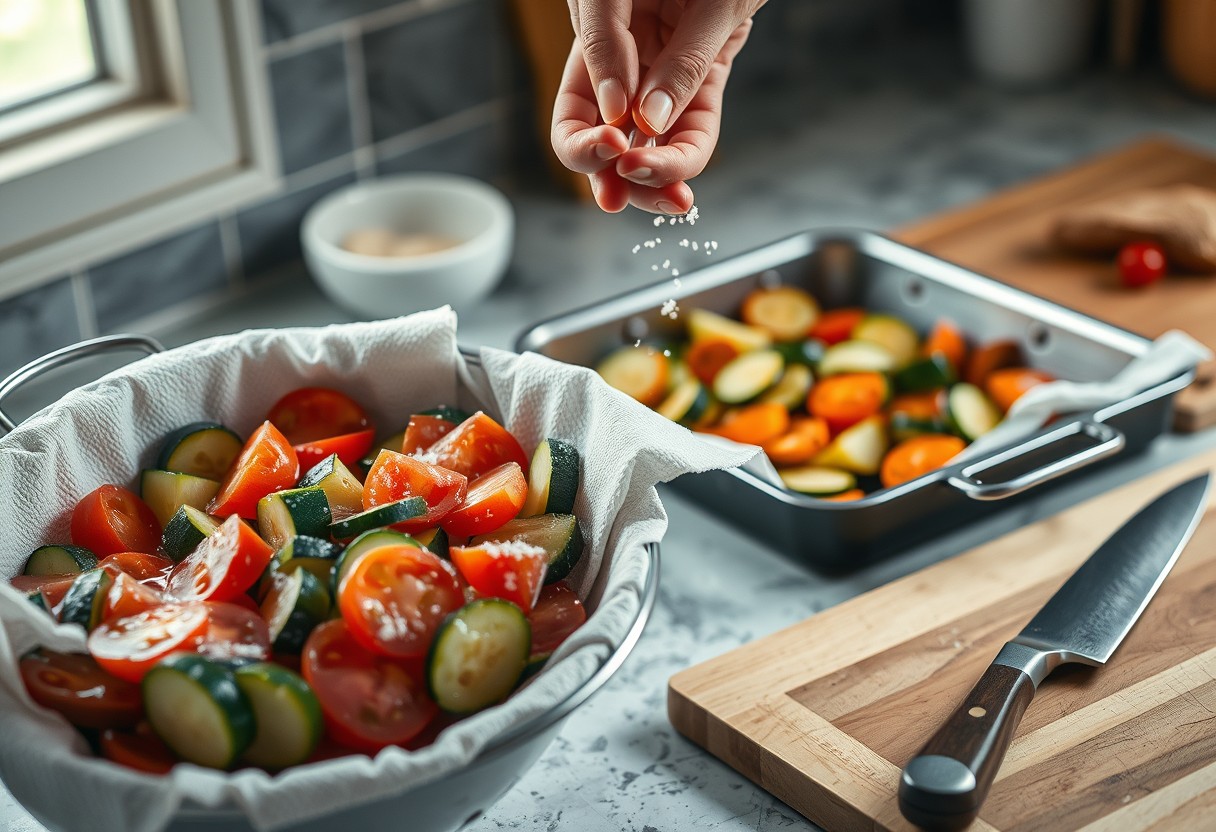
Perfecting your cooking method can transform limp, watery vegetables into vibrant, flavorful components of any meal. One effective way to remove unwanted moisture is salting, which pulls excess water from the cells through osmosis. Apply a light sprinkle of salt to chopped vegetables like zucchini or eggplant and let them sit for 10-15 minutes before rinsing and patting dry. For more tips, see What are easy ways to get vegetables that aren’t mushy … to discover how small adjustments make a big difference in texture.
Using salt to draw out water
Salt acts as a natural dehydrator, helping to extract moisture from high-water-content vegetables before cooking. When you apply salt to sliced or diced vegetables and let them rest, water beads form on the surface and can be easily blotted away. This simple step prevents steaming during cooking and supports browning. Best results come from using coarse salt and allowing time for osmosis to work-typically 10 minutes for delicate greens, up to 30 for denser vegetables like eggplant.
High-heat roasting for flavor concentration
Roasting at temperatures above 425°F rapidly evaporates surface moisture while promoting caramelization. Spread vegetables in a single layer on a baking sheet to ensure even exposure to heat, avoiding overcrowding that traps steam. As water escapes, natural sugars concentrate and develop rich, savory notes. Root vegetables like carrots and beets respond especially well, transforming from bland to deeply flavorful with just olive oil, salt, and high, dry heat.
Summing up
You’ve likely tasted a tomato that looked ripe but lacked depth, or a cucumber with more drip than crunch-signs your vegetables absorbed too much water at the wrong time. This often happens when irrigation is inconsistent, soil lacks balanced nutrients, or you harvest past peak ripeness. You can correct this by adjusting watering routines to match plant needs, choosing flavorful varieties bred for taste, and pulling crops at their sugar-rich peak. Cooking methods like roasting or grilling also concentrate flavor by removing excess moisture. Your attention to timing, variety, and technique directly shapes how your vegetables taste.
FAQ
Q: Why do my homegrown tomatoes taste bland or watery even when fully ripe?
A: Tomatoes often develop a diluted flavor when they receive too much water late in their ripening stage. Excess moisture causes the fruit to swell with water, lowering the concentration of sugars and organic acids responsible for rich taste. This is especially common after heavy rains or overzealous watering in the final weeks before harvest. Growing tomatoes in containers or raised beds can help manage soil moisture more effectively, preventing sudden uptake of water that leads to splitting and flavor loss.
Q: Can the type of soil really affect how flavorful my vegetables are?
A: Yes, soil composition directly influences nutrient availability and root health. Vegetables grown in compacted or overly rich soil with high nitrogen content tend to produce lush foliage but underdeveloped flavor compounds. For example, carrots grown in heavy clay may become stunted and fibrous, while those in loose, well-balanced soil develop deeper sweetness. Incorporating compost and sand improves texture and drainage, encouraging roots to grow deep and absorb trace minerals linked to stronger taste profiles.
Q: I water my garden every day-could that be making my vegetables less tasty?
A: Daily shallow watering promotes weak root systems and increases the likelihood of watery produce. Plants like zucchini and cucumbers will absorb more water than they need if it’s constantly available, diluting natural sugars. A better approach is deep, infrequent irrigation-such as two thorough watering sessions per week-that trains roots to seek moisture deeper underground. This mild stress actually boosts phytochemical production, enhancing both flavor and nutritional value.
Q: Are some vegetable varieties naturally more flavorful than others?
A: Absolutely. Seed catalogs often list heirloom or open-pollinated varieties known for superior taste, such as ‘Brandywine’ tomatoes or ‘Paris Market’ carrots. These cultivars haven’t been bred primarily for size, yield, or shipping durability, which often comes at the cost of flavor. Modern hybrid types may look uniform and grow faster but frequently lack the aromatic complexity of older strains. Choosing flavor-focused seeds from regional growers can make a noticeable difference in your harvest’s taste.
Q: What can I do in the kitchen to improve the taste of vegetables that turned out too watery?
A: Cooking methods matter. Slicing eggplant or zucchini and salting them before cooking draws out excess moisture through osmosis, intensifying texture and flavor. Roasting or grilling at high heat caramelizes natural sugars and evaporates water, transforming bland peppers or green beans into rich, savory dishes. Avoid boiling, which leaches flavor; instead, try sautéing spinach quickly in a hot pan to preserve its mineral bite without sogginess.