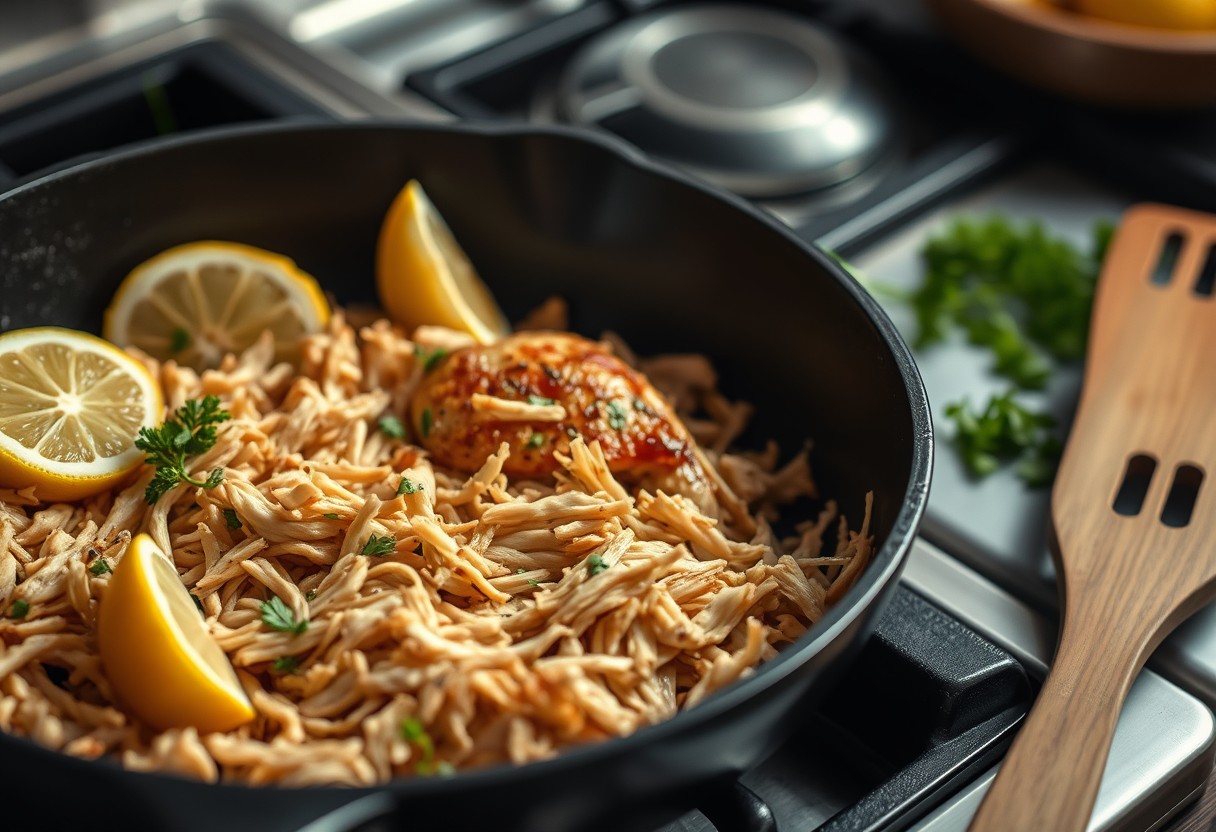
You’ve probably tossed cold, rubbery chicken into the microwave only to be disappointed by its dry, stale taste. The truth is, leftovers don’t have to taste like leftovers. With the right techniques, you can prevent that unpleasant warmed-over flavor caused by oxidation and keep your chicken juicy and flavorful. This guide shows you how to reheat-and reinvent-your chicken so it tastes just as good as the first time.
Key Takeaways:
- Slicing or shredding leftover chicken before reheating helps distribute heat evenly and allows for better absorption of sauces or liquids, restoring moisture and improving texture.
- Reintroducing fresh flavors through acidic components like lemon juice, vinegar, or fresh herbs counteracts stale or warmed-over taste by brightening the overall profile.
- Repurposing chicken into new dishes-such as stir-fries, tacos, or grain bowls-shifts the focus from reheated meat to a cohesive, flavorful meal with varied textures and ingredients.
Identifying the Factors Behind Warmed-Over Flavor
Lipid oxidation is the primary chemical reaction responsible for the stale, cardboard-like taste in reheated chicken. When cooked poultry is exposed to air, the fats within the meat begin to break down, producing aldehydes and ketones that create unpleasant odors and flavors. This process accelerates with time and temperature fluctuations, especially in improperly sealed containers. Oxygen exposure is the main catalyst, making it essential to understand how molecular changes-not just poor reheating-diminish quality. The off-flavors you detect are not merely from heat but from chemical degradation that begins the moment the chicken cools.
- Lipid oxidation causes stale, rancid notes in leftover chicken
- Fatty acid breakdown produces volatile compounds responsible for off-odors
- Oxygen exposure during cooling triggers chemical spoilage
- Aldehydes formed during oxidation are primarily responsible for the “warmed-over” scent
- Even refrigerated storage doesn’t halt oxidative reactions completely
The science of lipid oxidation in poultry
Oxygen interacts with unsaturated fats in chicken meat as it cools, initiating a chain reaction known as lipid oxidation. This process alters the molecular structure of fats, generating hydroperoxides that decompose into volatile compounds like hexanal, which contribute to stale aromas. These changes occur even in the refrigerator, meaning flavor degradation starts long before reheating. The higher the fat content in the cut-such as in dark meat-the more susceptible it is to oxidative breakdown. You’re not just tasting old chicken; you’re detecting chemical byproducts formed during storage.
Recognizing the “reheated” scent profile
You’ve likely noticed a sharp, slightly metallic or cardboard-like smell when opening leftovers-that’s the signature of advanced lipid oxidation. This off-odor becomes more pronounced when the chicken is heated, as warmth releases trapped volatile compounds. The scent is often accompanied by a painty or stale aftertaste that dulls the original seasoning. While not harmful, these aromas signal significant flavor loss. Training your nose to detect this profile helps you assess the extent of oxidation and determine whether flavor restoration techniques are needed before serving.
Pre-Storage Tips to Preserve Moisture and Texture
Proper handling immediately after cooking determines how well your chicken reheats days later. To minimize moisture loss, cool the meat quickly but safely, then seal it tightly before refrigeration. Exposure to air is the primary cause of dry, rubbery leftovers, so your storage method must create a barrier against oxidation and dehydration. Temperature consistency also plays a role-fluctuations encourage condensation, which can degrade texture. Follow precise cooling and sealing practices to lock in juiciness and maintain a tender bite.
Airtight sealing and temperature control
Getting the seal right makes the difference between succulent and stale. Place chicken in a rigid container or heavy-duty resealable bag, pressing out excess air to limit oxidation. For best results, store at or below 40°F (4°C) within two hours of cooking-bacteria multiply rapidly above this threshold. Never leave cooked chicken at room temperature overnight. A tight seal combined with consistent refrigeration preserves both safety and texture, preventing the protein fibers from drying out and becoming tough during later use.
- Use airtight containers or vacuum-sealed bags to block moisture loss
- Cool chicken within 90 minutes to prevent bacterial growth
- Maintain refrigerator temps at or below 40°F (4°C)
- Avoid loosely wrapped containers-steam escape leads to dryness
- Label and date all stored portions for optimal rotation
| Storage Method | Effect on Moisture Retention |
|---|---|
| Plastic wrap directly on surface | Moderate-reduces air exposure but may stick and tear |
| Stiff container with tight lid | High-prevents compression and limits airflow |
| Vacuum sealing | Very high-eliminates air and locks in natural juices |
| Aluminum foil wrap | Low-allows vapor transfer and doesn’t seal completely |
Slicing versus whole-bird storage strategies
How you portion chicken before storage directly impacts moisture retention. Keeping larger cuts or whole pieces intact reduces surface area exposed to air, slowing dehydration. Sliced or shredded chicken loses juice faster, even when sealed. If you anticipate using only small amounts, portion accordingly-but for maximum freshness, delay slicing until after reheating. A whole breast or thigh holds internal moisture better than strips or cubes, giving you more flexibility to revive texture later without relying on added liquids or sauces.
How-to Guide for Selecting the Best Reheating Methods
Low-and-slow reheating preserves the integrity of cooked chicken far better than high heat, which can quickly degrade its texture. When you expose chicken to intense temperatures, the proteins tighten excessively, squeezing out moisture and leaving behind a tough, rubbery result. Instead, opt for gentle warming that allows heat to penetrate evenly without shocking the meat. This method maintains tenderness and closely mimics freshly cooked quality, especially with denser cuts like thighs or breasts. Patience here pays off in both mouthfeel and flavor.
Using the oven and air fryer for texture
Oven reheating at 250°F delivers consistent, even warmth without scorching the exterior. Place chicken on a wire rack over a baking sheet to allow air circulation, ensuring the skin stays crisp while the inside gently reheats. For a crispier finish, the air fryer works well at 320°F for a few minutes, but watch it closely-its rapid convection can dry out meat fast. These methods excel when you want to preserve or restore texture, especially in roasted or fried chicken leftovers.
Stovetop techniques for rapid heating
A skillet offers precise control when reheating chicken quickly. Heat a thin layer of oil over medium-low and place the chicken in the pan, turning occasionally for even warming. This method works best for thinner cuts like cutlets or diced pieces, which heat through in minutes without overcooking. The direct contact with the pan surface helps maintain a firm, satisfying bite, and prevents the sogginess often caused by microwave reheating. Keep the flame moderate to avoid charring or toughness.
Using Liquids to Restore Tenderness
Liquids play a key role in reviving dry, reheated chicken by reintroducing moisture into its lean fibers. When chicken loses hydration during storage or reheating, adding a small amount of broth, stock, or melted fat helps restore succulence. The liquid penetrates the meat’s surface, especially when gently warmed, allowing fibers to absorb flavor and soften. Using warm liquids instead of cold ensures faster, more even rehydration. A light coating of butter or olive oil also creates a barrier that locks in moisture while enhancing mouthfeel.
The steam-bath technique for microwave use
You can quickly revive chicken in the microwave using a steam-bath method that prevents further drying. Place the chicken in a microwave-safe dish and add two tablespoons of warm broth or water around-not over-the pieces to avoid soggy edges. Cover tightly with a microwave-safe lid or damp paper towel to trap steam. Heat on 50% power in 60-second intervals, letting the meat rest between cycles. This gentle approach delivers evenly warmed, tender results without rubbery texture.
Braising in stock or butter
Braising leftover chicken in a shallow layer of hot stock or melted butter deeply rehydrates the meat while enriching its texture. Start by warming the liquid in a skillet over medium heat, then submerge the chicken pieces just halfway-fully submerging softens the exterior too much. Simmer gently for 3-5 minutes, turning once. The collagen in homemade stock adds body and helps coat the fibers, while butter contributes richness. Even dry breast meat regains a supple, almost freshly-cooked quality with this method.
Flavor-Boosting Tips for a Fresh Profile
To counteract the flat, stale notes that develop in reheated chicken, focus on acidity and aromatics-two powerful tools that instantly lift and brighten flavors. A splash of lemon juice or a drizzle of vinegar can cut through oxidation byproducts responsible for that undesirable “warmed-over” taste. Pair these with fresh aromatics like minced garlic, shallots, or green onions to build complexity. These elements don’t just mask old flavors-they actively reshape your perception, making the dish taste immediately fresher without requiring a full recipe overhaul.
- Use citrus zest to add aromatic intensity without moisture
- Incorporate fresh herbs like cilantro, parsley, or dill right before serving
- Add vinegar-based splashes such as apple cider or rice vinegar for brightness
- Include raw aromatics like scallions or crushed garlic for sharp contrast
- Finish with a pinch of flaky salt to enhance overall flavor clarity
Adding citrus and fresh herbs post-heating
Citrus juices work best when added after reheating, preserving their vibrant tang and preventing bitterness from heat exposure. Squeeze fresh lemon, lime, or orange over the chicken just before serving to introduce a lively acidity that mimics freshly cooked brightness. Combine this with a generous handful of chopped herbs-think parsley, basil, or mint-to awaken the dish with garden-fresh aroma. The volatile oils in these herbs dissipate quickly under heat, so adding them at the end ensures maximum fragrance and a noticeably fresher profile.
Utilizing bright sauces and finishing oils
Sauces applied at the end transform the surface of reheated chicken, masking dull textures and stale notes with bold, immediate flavor. Drizzle with a zesty chimichurri, herbaceous pesto, or spicy vinaigrette to create a new taste experience. Finishing oils like toasted sesame, garlic-infused olive oil, or chili oil add richness and a burst of aromatic punch. These layers don’t just cover up past cooking-they redefine the dish, delivering a restaurant-quality finish that feels intentional and fresh.
Transforming Leftovers into New Culinary Creations
Cold chicken applications for maximum freshness
You preserve the perceived freshness of leftover chicken by skipping the reheat altogether and going straight into chilled dishes. Shredded or diced chicken integrates seamlessly into cold salads like Caesar, Cobb, or a Greek chopped version, where crisp vegetables and vibrant dressings distract from any textural changes. The cool temperature keeps the protein tender in your mouth, while bold ingredients such as Parmesan, olives, or lemon vinaigrette enhance flavor without highlighting staleness.
Incorporating leftovers into soups and tacos
Warm dishes like stews, chili, or tacos are ideal for disguising texture shifts in cooked chicken. Simmering the meat briefly in broths or sauces infuses it with moisture and layers of flavor, making dryness nearly undetectable. Try adding it to a tomato-based tortilla soup or folding it into lime-kissed taco filling-Flavor explosion! Super easy to make when you use …-where spices and fresh garnishes do the heavy lifting. This approach ensures every bite feels intentional and far from leftover.
Summing up
You can make leftover chicken taste fresh by focusing on moisture retention, smart reheating, and bold flavor additions. Choose the right method-steaming, stovetop simmering, or oven warming-with a splash of broth or sauce to prevent dryness. Infuse new life with herbs, spices, citrus, or a quick sear. Turn simple leftovers into tacos, salads, or stir-fries for a completely fresh meal. Your approach transforms yesterday’s dinner into something exciting and satisfying.
FAQ
Q: Why does leftover chicken often taste dry or rubbery when reheated?
A: Chicken loses moisture during initial cooking, and reheating accelerates that dryness, especially in the microwave or oven. The proteins tighten further, squeezing out remaining juices. To prevent this, store chicken with a bit of broth or oil and reheat gently using steam or a covered method. A mid-sized SaaS firm might prioritize efficiency, but in the kitchen, patience with heat makes all the difference.
Q: Can I use the same method to reheat breaded or fried chicken without making it soggy?
A: Yes, but the method matters. The oven or air fryer works best for breaded chicken, restoring crispiness without over-drying. Place pieces on a wire rack in a preheated 375°F oven for 12-15 minutes or air fry at 360°F for 5-8 minutes. Avoid microwaving unless you finish under a broiler to revive the crust. A light spritz of oil helps the exterior brown evenly.
Q: What liquids work best to refresh dry leftover chicken?
A: Warm broth, coconut milk, or a splash of lemony butter sauce can rehydrate and add flavor. Simmer shredded chicken in a shallow pan with a few tablespoons of liquid, covered, for 5 minutes. Tomato sauce works well for drier cuts like breast meat, while coconut milk pairs with spices for a richer profile. The goal is not to boil but to gently warm through.
Q: How can I make leftover chicken taste like it was just cooked?
A: Finish reheated chicken with fresh elements. Toss sliced chicken in a bright chimichurri, or stir shredded meat into a hot stir-fry with garlic, ginger, and vegetables. A squeeze of citrus or a drizzle of infused olive oil right before serving lifts the aroma and taste. Even a sprinkle of flaky salt can mimic the crisp finish of freshly grilled meat.
Q: Is it safe to reheat chicken more than once?
A: Reheating chicken multiple times increases the risk of bacterial growth and texture degradation. For safety and quality, reheat only the portion you plan to eat. Store the rest in the fridge within two hours of cooking and use within three days. If freezing, thaw in the refrigerator and reheat once after thawing to maintain both flavor and food safety standards.