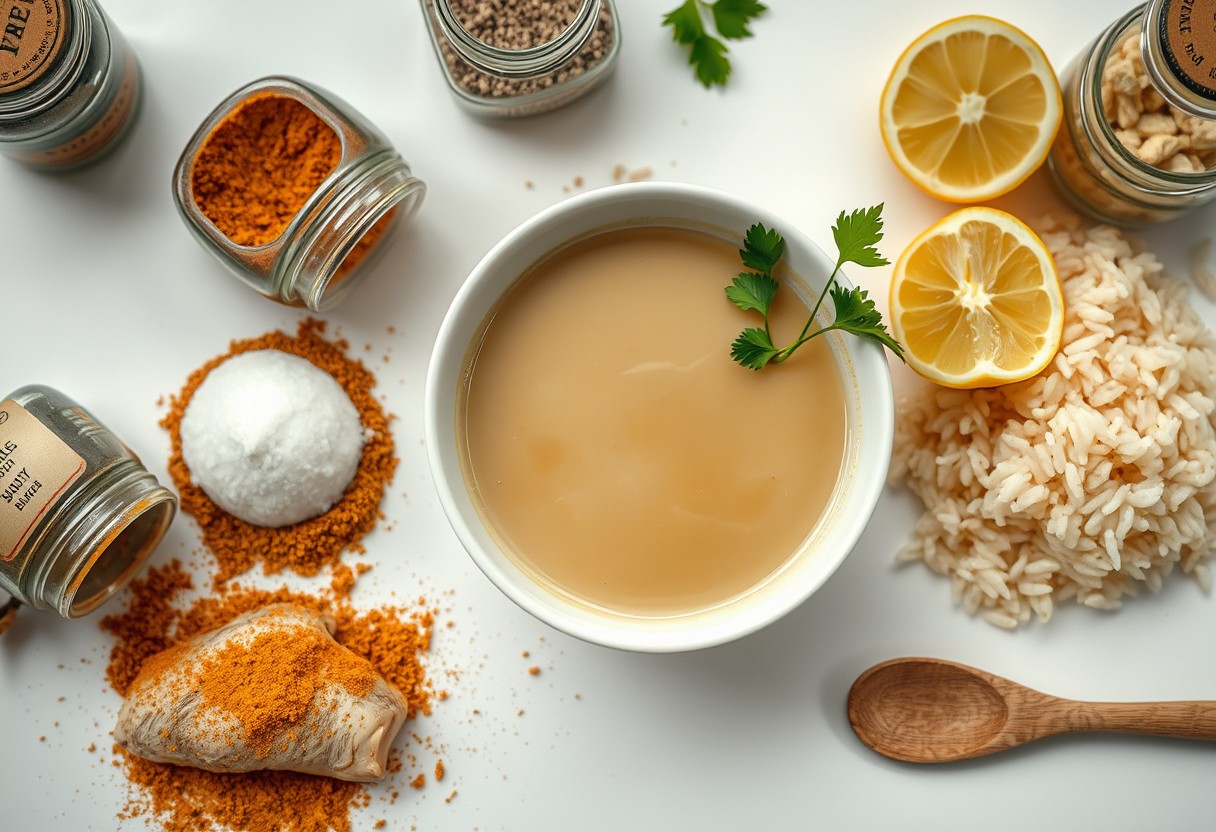
You’ve added salt, spices, and herbs-yet your dish still falls flat. The problem may not be how much seasoning you use, but when and how you apply it. Heat, fat, acidity, and ingredient freshness play dangerously overlooked roles in flavor development. Understanding these factors transforms lackluster meals into deeply satisfying ones.
Key Takeaways:
- Food can taste bland not because of insufficient seasoning, but due to a lack of balance-especially the absence of acid, which brightens and lifts flavors just as salt enhances them.
- Pre-ground spices lose potency quickly; using whole spices and grinding them fresh restores depth and intensity that even heavy seasoning can’t achieve when spices are stale.
- Insufficient fat or improper cooking heat mutes flavor delivery, as fat carries taste and proper browning creates complex flavor compounds that salt alone can’t replicate.
The Great Salt Sins
Adding salt only at the end of cooking severely limits its ability to build flavor throughout the dish. You need to season in layers, not just on top, because salt requires time to penetrate and evenly distribute. Without early seasoning, you’re left chasing intensity with more and more salt at the finish, which can lead to a dangerously high sodium level without actually improving taste. The real issue isn’t how much salt you use-it’s when and how you apply it. Timing transforms salt from a surface note into a foundational element of flavor.
The Missing Acid Spark
You might pile on herbs and spices, but without a touch of acid, your dishes will still fall flat. A splash of lemon juice, vinegar, or even a dollop of yogurt can transform a dull meal into something bright and balanced. Acids don’t just add tang-they sharpen other flavors, making them more distinct and lively. When you skip this step, even well-seasoned food tastes one-dimensional. Think of acid as the spark that wakes up your taste buds, turning a heavy stew or roasted vegetables into something vibrant and memorable.
The Fat and Heat Connection
Heat unlocks flavor, but fat carries it. Without enough fat in your pan, spices burn before they bloom, leaving behind a bitter, flat taste instead of a rich, aromatic base. You might be using generous amounts of seasoning, but if your oil isn’t hot enough-or worse, if you’re using too little-those spices never release their essential oils. This means even well-seasoned dishes fall flat. For deeper flavor, heat your fat properly and let whole spices crackle for 30 seconds to develop complexity. Join this discussion on cooking tips and tricks for flavorful food to see how small adjustments make a big difference.
The Curse of the Pre-Ground Spice
You likely reach for that jar of pre-ground cumin or cinnamon without a second thought, but its flavor has already faded long before it hits your dish. Once spices are ground, their essential oils and aromatic compounds begin to evaporate rapidly, leaving behind a dull, dusty shadow of their former selves. Store-bought ground spices can be months or even years old by the time you use them, which means you’re adding bulk, not brightness. Whole spices retain their potency far longer, and grinding them just before use unlocks layers of complexity you didn’t know were missing. That blandness you’re chasing with extra scoops? It’s not more seasoning you need-it’s fresher form.
The Exhausted Palate
Your taste buds can lose sensitivity when exposed to overly processed foods, constant snacking, or repetitive flavor profiles. Over time, this dulls your ability to detect subtle seasoning, making even well-spiced dishes seem flat. What once tasted bold now registers as ordinary, leading you to add more salt or spice without addressing the root issue. Chronic overstimulation from sugary, salty, or artificial flavors fatigues your sensory response. Resetting your palate through cleaner eating and mindful tasting can restore your natural sensitivity and transform how you experience food.
To wrap up
You might pile on spices and still find your meals dull because flavor isn’t just about quantity-it’s about balance and freshness. Old spices lose potency, salt masks rather than enhances, and without acid or fat, even well-seasoned dishes fall flat. Your cooking tools and palate fatigue also play a role, dulling the very tastes you’re trying to highlight. Adjusting one element at a time-like toasting whole spices or finishing with lemon juice-can revive a lifeless dish. You already have the ingredients; it’s how you use them that changes everything.
FAQ
Q: Why does my food still taste bland even when I add a lot of salt and spices?
A: Overusing seasoning without proper layering or balance can overwhelm your taste buds instead of enhancing flavor. Salt works best when added in stages during cooking, not just at the end. Spices lose potency if added too early or in incorrect forms-whole spices toasted before grinding release more aroma. A dish may also lack supporting elements like acid or fat that help carry and balance flavors, making even heavily seasoned food seem flat.
Q: Can using pre-ground spices be why my meals taste dull?
A: Pre-ground spices begin losing volatile oils and aromatic compounds as soon as they are ground, especially if stored for months on a shelf. A jar of ground cumin from a year ago may contribute little more than color. Whole seeds toasted and freshly ground deliver significantly stronger flavor. For noticeable improvement, buy whole spices and grind them in small batches using a dedicated grinder or mortar and pestle just before use.
Q: How does fat affect how seasoning tastes in a dish?
A: Fat acts as a carrier for flavor, particularly for fat-soluble compounds in spices and herbs. Without enough oil, butter, or other fats, seasonings may sit on the surface of food rather than penetrate it. A stir-fry with insufficient oil will have seasoning clumping in the sauce instead of coating each ingredient evenly. Adding fat at the right moment-such as finishing a soup with a swirl of olive oil-can unlock hidden depth in otherwise underwhelming dishes.
Q: Could acidity really make a difference in a savory dish that already has salt and spices?
A: Yes. Acid-like lemon juice, vinegar, or wine-brightens flavor by stimulating saliva production and cutting through richness. A stew heavy with garlic and paprika might still taste one-dimensional without a splash of vinegar to lift the notes. Even salty, spicy dishes benefit from a touch of acid; think of the lime wedge served with chili-laced street food. Taste the dish before and after adding acid-you’ll often notice an immediate shift from dull to vibrant.
Q: Is it possible that my sense of taste is affecting how food tastes, not the seasoning itself?
A: Chronic overuse of processed foods, excessive salt, or constant snacking can desensitize your palate over time. When taste buds are exposed to intense stimuli daily, milder but well-balanced flavors become harder to detect. Taking breaks from hyper-seasoned snacks and eating more whole, unprocessed ingredients can reset sensitivity. Some medications and health conditions also affect taste perception-consulting a healthcare provider may be necessary if changes persist despite improved cooking techniques.