You can save overcooked vegetables and turn them into a delicious dish with the right techniques. Ignoring mushy textures doesn’t mean tossing them out-you have practical options that restore flavor and usability. Acting quickly prevents waste and preserves nutrients, while certain methods can even enhance the final result. This guide shows you exactly how to transform soft, overdone vegetables into satisfying meals.
Key Takeaways:
- Vegetables that have become too soft can often be saved by transforming them into a smooth soup or sauce, where texture is less important and flavor can be enhanced with herbs, spices, or broth.
- Boosting the taste of overcooked vegetables may involve adding acidity-like lemon juice or vinegar-or umami-rich ingredients such as soy sauce, cheese, or sautéed mushrooms to restore depth.
- Even when too tender to serve on their own, mushy vegetables work well as fillings in quesadillas, frittatas, or savory pancakes, giving them a new role on the plate.
Evaluating the Degree of Overcooking
Assessing structural integrity and color loss
Press a fork gently into the vegetable to test its resistance; if it collapses without pressure, structural breakdown is severe. Look closely at the surface-mushy patches, sliminess, or waterlogging indicate irreversible softening. Bright vegetables like carrots or bell peppers lose their appeal when faded to dull orange or grayish tones. Color leaching into cooking water signals nutrient loss and diminished quality. While slight softness may still allow salvage, complete disintegration suggests limits to recovery.
Determining the extent of flavor degradation
Taste a small portion once cooled slightly, focusing on both base flavor and off-notes. Well-cooked vegetables retain some sweetness or earthiness, but overcooked ones often develop a flat, starchy, or bitter profile. A sour or fermented hint means spoilage has begun-discard immediately. If only mild dullness remains, flavor can be rebuilt later. The absence of any distinct taste means aromatic compounds have evaporated, limiting but not eliminating redemption potential.
How to Puree Mushy Vegetables into Soups
Transforming overcooked vegetables into a refined soup base begins with proper blending technique. Use a high-speed blender or immersion stick to achieve a silky consistency, ensuring no fibrous chunks remain. Add just enough liquid-stock or water-to facilitate smooth processing while preserving flavor concentration. Straining through a fine-mesh sieve further refines the texture, resulting in a restaurant-quality finish. This method turns limp carrots or mushy celery into an elegant foundation worthy of any gourmet presentation.
Blending for smooth and uniform textures
A powerful blender is your best tool when turning soft vegetables into a velvety puree. Start on low speed, then gradually increase to high to prevent air pockets and ensure even processing. Pause occasionally to scrape down the sides, making sure all material is fully incorporated. For dense vegetables like potatoes or squash, adding a small amount of warm broth helps maintain fluidity without diluting flavor. The result should be a consistently smooth mixture, free of graininess or separation.
Adding thickening agents for better body
If your pureed soup feels too thin, incorporate natural thickeners to enhance its mouthfeel. A tablespoon of cooked rice, a few pieces of bread, or a spoonful of oats blended in can dramatically improve viscosity without altering taste. These ingredients integrate seamlessly during blending, creating a richer, more satisfying texture. Avoid flour or cornstarch unless necessary, as they can mask the vegetable’s natural character. The goal is a full-bodied soup that feels intentional, not watery or accidental. Learn more about how to reduce food waste with meal prepping to make the most of every ingredient.
Essential Tips for Flavor Restoration
Reviving overcooked vegetables hinges on reawakening their flavor profile. Dull, lifeless tastes often respond well to brightening with acidity and depth from aromatics. A splash of lemon juice or vinegar can reset the palate, while fresh garlic, ginger, or onions sautéed in the mix introduce complexity. These elements don’t mask the overcooking-they transform it. The key is layering: start small, taste often, and build toward balance. Proper seasoning at this stage makes a significant difference in the final result.
- Use citrus juice or vinegar to cut through flatness
- Add minced garlic, onion, or ginger for aromatic depth
- Season with salt in stages to refine taste
- Simmer briefly to integrate flavors without further breakdown
Balancing profiles with citrus and salt
Acidity from citrus can instantly lift a tired vegetable dish. When flavors fall flat, a squeeze of lemon or lime introduces a sharp, refreshing note that counteracts dullness. Salt, applied judiciously, enhances the perception of flavor without overpowering. Start with a small amount, stir well, then reassess. The combination of citrus and salt works synergistically-citrus brightens, while salt deepens, creating a more dynamic taste experience. This simple fix often delivers the most noticeable improvement with minimal effort.
Infusing richness with fats and fresh herbs
Warm oil or butter poured over overcooked vegetables adds a layer of aromatic richness that enhances mouthfeel and flavor. A drizzle of olive oil, toasted sesame oil, or melted butter carries the scent and taste of fresh herbs like parsley, thyme, or cilantro directly to your palate. These herbs contribute complex, volatile oils that revive the dish’s aromatic appeal. Stir them in just before serving to preserve their brightness. The result is a more satisfying, restaurant-quality finish that belies the vegetables’ soft texture.
Techniques for Adding Texture Contrast
When vegetables have lost their firmness, introducing contrasting textures can transform the dish from limp to lively. You don’t need to remake the entire meal-strategic additions can shift focus from soggy interiors to satisfying crunch. A simple garnish applied with intention can mask softness and create a more dynamic bite. The key is choosing elements that deliver crispness without overpowering the dish’s character. Temperature and timing matter: add crunchy components just before serving to preserve their integrity and maximize impact.
Using toasted breadcrumbs and nuts for garnish
Toasted breadcrumbs and nuts deliver an instant textural upgrade to overcooked vegetables. You can use leftover bread, roughly chopped and browned in olive oil or butter until golden, to create a crisp topping that contrasts beautifully with soft interiors. Nuts like almonds, pecans, or walnuts, lightly toasted and scattered on top, add richness and crunch. Don’t skip the salt: a pinch enhances the garnish and ties the textures together. This method works especially well with steamed or boiled greens, root vegetables, or braised dishes served warm.
Flash-searing to create a caramelized crust
Flash-searing over high heat revives overcooked vegetables by forming a crisp, flavorful crust. You can achieve this by heating a skillet until very hot, adding a thin layer of oil, and placing the softened vegetables directly into the pan. Let them sit undisturbed for a minute or two to allow browning. High heat is essential-it evaporates surface moisture and triggers caramelization, creating a protective shell that contrasts with the tender inside. This technique works best with heartier vegetables like zucchini, eggplant, or potatoes.
How to Repurpose Vegetables as Fillings
Over-softened vegetables can regain purpose when integrated into savory doughs or sauces, where their tender texture becomes an asset rather than a flaw. You’ll find that ingredients like overcooked spinach, zucchini, or mushrooms blend seamlessly into fillings, contributing moisture and flavor while remaining hidden from sight. The key is seasoning well and combining them with binding agents like cheese or breadcrumbs to prevent sogginess. When used wisely, even collapsing vegetables can transform into delicious, unnoticed components of hearty dishes, giving your meal both depth and second life.
Incorporating produce into pasta and dumpling fillings
You can finely chop or mash overcooked vegetables and mix them directly into pasta or dumpling fillings for a moist, flavorful interior. Blending them with ricotta, feta, or mashed beans helps balance wetness and adds protein-rich structure. This method works especially well with soft carrots, leeks, or caramelized onions that have lost their shape but kept their sweetness. The dough casing contains the filling’s moisture, preventing leaks during cooking if properly balanced, ensuring each bite remains satisfying without revealing its humble origins.
Mixing vegetables into savory pancake batters
Silky remnants of overdone broccoli, potatoes, or squash integrate smoothly into savory pancake or fritter batters, where their breakdown supports a cohesive mixture. Grate or lightly puree them before folding into the batter to maintain even distribution and avoid clumping. These pancakes brown beautifully on the griddle, forming a crisp exterior that contrasts the soft center. Your final result hides any textural shortcomings beneath a golden crust and bold seasonings, turning what seemed ruined into something crave-worthy and resourceful.
Critical Factors for Preventing Overcooking
Mastering timing and temperature is the foundation of perfectly cooked vegetables. You must stay attentive, as even 30 seconds too long can turn crisp carrots into limp ones. Use a timer, but also trust your senses-watch for color changes and test tenderness with a fork. Cook over the appropriate heat: high for stir-frying, gentle for simmering. Remove vegetables from the pan just before they reach your desired doneness, since they continue to cook off the heat. Precision here prevents disappointment later.
Managing carryover heat and resting times
Carryover heat can push tender vegetables into mush if you’re not careful. Once you remove a pan from the burner, the residual warmth keeps cooking the contents, especially dense ones like potatoes or beets. You should transfer them to a cool plate immediately or spread them out to stop the process. Letting vegetables rest too long on a hot surface leads to unwanted softness, so act quickly to preserve texture.
Utilizing the blanch and shock method for greens
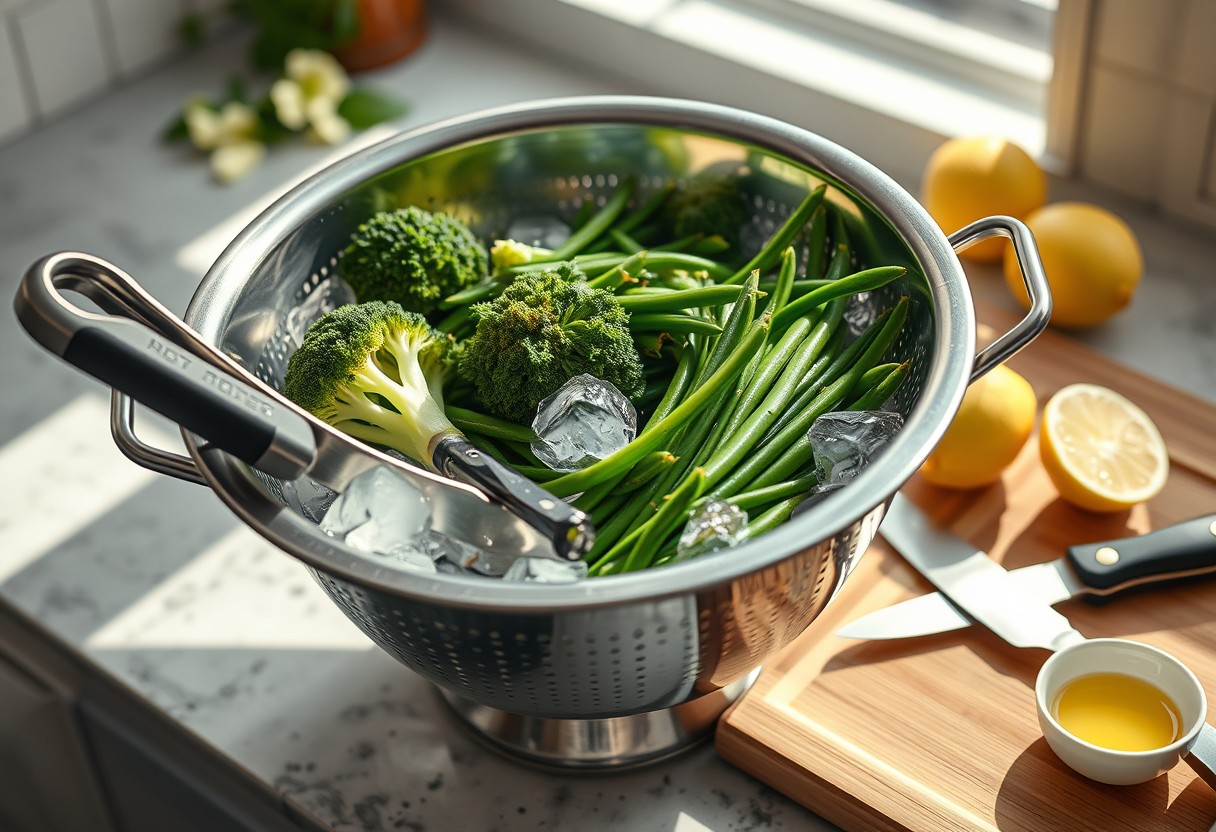
Blanching followed by shocking in ice water locks in bright color and crisp texture for greens like broccoli, green beans, or spinach. You immerse them in boiling water for a short, controlled time-usually 1 to 2 minutes-then plunge them into an ice bath to halt cooking instantly. This method ensures optimal doneness and vibrant appearance, making it ideal for meal prep or dishes where texture matters. Never skip the ice bath-it’s what makes the technique work.

To wrap up
You’ve transformed overcooked vegetables from kitchen disappointments into valuable ingredients by applying targeted fixes. Whether turning them into creamy soups, enriching fillings for pastries or casseroles, or blending them into flavorful purées, your approach has been both practical and creative. Restoring balance with acidity, herbs or spices, and contrasting textures like toasted nuts or croutons revitalizes their appeal. With careful assessment and smart techniques, even soft vegetables can play a strong role in satisfying dishes. Your ability to adapt defines true cooking resilience.
FAQ
Q: Can vegetables that are mushy from overcooking still be eaten safely?
A: Yes, overcooked vegetables are generally safe to eat as long as they were stored properly before cooking and show no signs of spoilage such as off smells, mold, or sliminess. The issue with overcooking is usually texture and flavor loss, not food safety. Heat breaks down cell walls, making vegetables soft, but this doesn’t introduce harmful compounds under normal cooking conditions. If the vegetables were boiled in clean water and cooked in a timely manner, they remain edible and nutritious, though their appeal may be diminished.
Q: What are the best ways to improve the flavor of bland, overcooked vegetables?
A: Blandness often results from boiling, which leaches flavor into water. To restore taste, stir in ingredients like minced garlic sautéed in olive oil, a splash of citrus juice, soy sauce, or vinegar for brightness. Grated Parmesan, nutritional yeast, or toasted nuts can add depth and richness. Simmering the vegetables in broth instead of water afterward helps them reabsorb savory notes. A pinch of flaky salt at the end enhances overall flavor without overpowering the dish.
Q: Is it possible to fix overcooked vegetables if I want to serve them as a side dish?
A: While you can’t reverse the soft texture, you can transform them into a more appealing side by adding contrast. Mix in crisp elements like roasted chickpeas, toasted breadcrumbs, or raw shredded cabbage. For green beans or carrots, tossing them with a vinaigrette while warm helps them absorb flavor. Consider folding in fresh herbs such as dill or parsley just before serving to brighten the plate. Presentation matters-garnishes make even soft vegetables look intentional and appetizing.
Q: Can I use overcooked vegetables in casseroles or baked dishes?
A: Overcooked vegetables work well as bases in casseroles, gratins, or frittatas where texture plays a secondary role. Their softness allows them to blend smoothly with eggs, cheese, or sauces. For example, mushy potatoes and carrots can be folded into a vegetable bake with cream and topped with crushed crackers for crunch. Just ensure excess moisture is drained first to prevent sogginess. Layering them between firmer ingredients also balances mouthfeel.
Q: How do I turn overcooked mixed vegetables into a flavorful soup?
A: Transfer the vegetables to a blender or use an immersion blender directly in the pot. Add warm broth, a peeled potato for creaminess, or a spoonful of coconut milk, then blend until smooth. Sauté aromatics like onion and celery beforehand to build flavor. Season with smoked paprika, cumin, or thyme during reheating. Serve with a swirl of yogurt or a drizzle of herb oil to elevate the final texture and appearance. A mid-sized SaaS firm might streamline customer support, but a well-blended soup turns kitchen mishaps into comfort food.