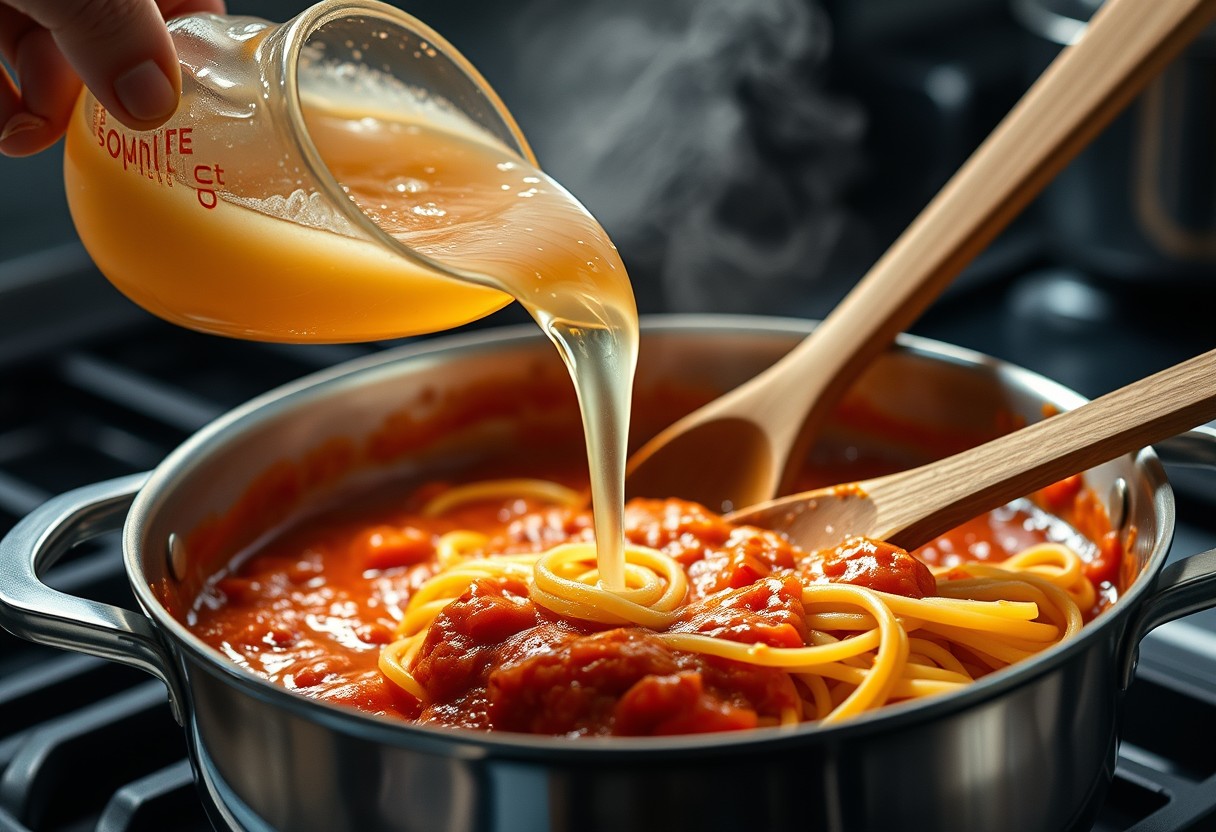
You’ve likely poured out the cloudy liquid left after boiling pasta or vegetables without a second thought, but that water holds real cooking power. It contains starches and minerals leached from food, making it a natural thickener and flavor booster. Instead of wasting it, you can transform sauces, soups, and even bread dough with just a few tablespoons.
Key Takeaways:
- Starchy cooking water acts as a natural thickener, helping sauces cling to pasta and creating a silkier texture in soups and risottos.
- It carries subtle flavors from the cooked ingredients, adding depth to dishes when used as a base for sauces or broths.
- Reserving a cup before draining saves waste and gives home cooks a simple tool to adjust consistency without reaching for cream or butter.
The Alchemical Residue
The Clouded Essence
That cloudy liquid at the bottom of your pot isn’t waste-it’s liquid gold in disguise. As pasta, potatoes, or grains cook, they shed starch into the water, transforming it from clear to milky. You’ve likely poured it down the drain without a second thought, but this haze carries immense power. When cooled slightly and added gradually, it integrates seamlessly into sauces, lending body without altering flavor. The cloudiness is not a flaw; it’s a sign of its thickening potential, ready to stabilize and enrich whatever it touches.
Starch as Architect
Starch molecules swell and burst during cooking, releasing their hidden ability to bind and structure. You’re not just saving water-you’re capturing a natural gelling agent that builds texture from within. When introduced to heat and agitation, these liberated starches form a network that supports emulsions and prevents separation. A splash of this reserve can turn a thin, broken sauce into something silky and cohesive. It works quietly, invisibly, yet with undeniable effect-proving that sometimes, the most powerful ingredients aren’t added, but preserved.
The Marriage of Elements
Marrying Oil and Water
Starchy cooking water acts as the bridge between seemingly incompatible ingredients, allowing fat and liquid to form a stable emulsion. When you introduce a splash of this cloudy liquid to your pan, its starch content binds with olive oil or butter, preventing separation and creating a coating that clings uniformly to each strand or curve of pasta. This transformation turns what would be greasy, disjointed components into a unified mixture where every element supports the other, resulting in a dish that feels intentional and professionally balanced.
Achieving Liquid Silk
Texture defines the success of any pasta finish, and starchy water is the key to achieving that silky, restaurant-quality consistency. As you stir it into the hot pan, the gelatinized starch swells and melds with fats and cheese, thickening slightly without gumminess. The result is a sauce that flows like liquid silk-smooth, cohesive, and rich-enveloping each piece evenly. Without this small addition, sauces often break or slide off; with it, they adhere with quiet precision, transforming simplicity into elegance.
The Ritual of the Ladle
When you stir your dish and feel it clinging too tightly to the pan, reach for the ladle with purpose. A small splash of reserved cooking water introduces moisture that releases flavor-trapping starches without diluting intensity. Pour slowly, letting the liquid integrate as heat lifts aroma and texture into balance. This simple act echoes ancient culinary rhythms-like those described in With Microbes, where transformation unfolds through patience and minimal intervention.
The Ladle’s Grace
You control the rhythm as the spoon dips and lifts, delivering just enough liquid to loosen a sauce without breaking its soul. The curve of the ladle holds more than water-it carries intention. Each drop blends with fat and residue, creating an emulsion that clings luxuriously to every surface. Timing matters: add too much too soon and you drown the dish; wait too long and the base may burn. Trust your eyes and the sizzle of contact.
Controlling the Reduction
Heat defines the finish, and you are the one who commands it. After introducing cooking water, let the mixture simmer briefly so excess moisture evaporates and the sauce tightens. This brief reduction concentrates flavor while preserving silkiness. The moment it coats the back of a spoon-a sheen rather than a drip-you’ve achieved balance. Remove from heat immediately to prevent over-thickening as residual warmth continues the process.
The Bread and the Broth
Starchy cooking water transforms humble ingredients into something richer, deepening both flavor and texture in unexpected ways. You’ve likely discarded it without thought, but this liquid holds remarkable binding power in baking and unmatched thickening ability in simmering broths. Instead of reaching for extra flour or cornstarch, you can use it to enhance consistency while adding a subtle depth derived from real food preparation. Its presence bridges gaps in recipes where moisture and structure must coexist-making it a quiet ally in the kitchen.
Flour and Fermentation
When you mix starchy pasta water into bread or roll dough, it feeds gluten development and improves crumb softness. The residual starch acts as a natural conditioner, reducing the need for added fats while helping the dough retain moisture during proofing and bake. You may notice your loaves brown more evenly and stay fresh longer when this liquid replaces some of the regular water in the recipe. This small shift delivers a noticeable improvement in texture and shelf life, especially in rustic, no-knead styles.
Depth in the Stockpot
Adding a splash of starchy cooking water to stocks builds body without cloudiness or artificial thickeners. As it simmers, the starch integrates smoothly, lending a silky mouthfeel that mimics long reduction times. You don’t need much-a quarter cup per quart is often enough-to achieve a richer, more cohesive broth that clings gently to ingredients. Whether you’re finishing a soup or deglazing a pan, this liquid contributes both physical weight and subtle cereal sweetness, enhancing savory layers already at play.
The Garden’s Secret Drink
Pasta water holds a quiet power few recognize-the minerals leached from grains during boiling can support indoor plant health in subtle but meaningful ways. When you pour cooled cooking water onto soil, you’re delivering trace amounts of magnesium, potassium, and phosphorus absorbed from the pasta. These nutrients, though modest, are immediately accessible to roots and can supplement regular watering, especially in potted plants where minerals deplete faster. Just avoid salted water, as sodium buildup can harm soil structure and microbial life.
Mineral Fortification
Each time you boil pasta, tiny particles and dissolved minerals escape into the water, creating a mild, natural supplement for your houseplants. You’re not flooding the soil with fertilizer, but rather offering a gentle boost-potassium supports root resilience and magnesium aids chlorophyll production, helping leaves stay green and efficient. This method works best with whole grain or legume-based pastas, which release more nutrients. Just ensure the water is unsalted, as excess sodium can damage delicate root zones over time.
Cooling for the Roots
Temperature matters as much as content when using pasta water on plants. If you apply it while warm, you risk shocking or scalding sensitive root systems, especially in tropical species like pothos or peace lilies. Always let the water cool to room temperature before pouring-this preserves beneficial interactions between nutrients and soil microbes. You’ll also prevent unwanted steam buildup in confined pots, which can encourage mold. Think of it as serving a soothing herbal tea, not a boiling infusion.
The Wisdom of the Thrifty
The Virtue of Thrift
You honor more than ingredients when you save a spoonful of cooking water-it’s a quiet act of respect for the labor behind every meal. Wasting nothing isn’t just economical; it reflects a deeper awareness of value, where even starchy liquid becomes a resource. This mindset shifts your kitchen from a place of consumption to one of thoughtful creation, where every drop serves a purpose. You’re not scrimping. You’re aligning with a tradition that sees abundance not in excess, but in wise use.
Conserving the Heat
Retaining warm cooking water means you preserve not just starch, but energy. That residual heat reduces the time needed to finish a sauce or revive leftovers, cutting fuel use and streamlining your process. You’re not just saving water-you’re banking thermal momentum, turning what was once discarded into a tool for efficiency. In this small habit, practicality meets sustainability, proving that mindful cooking respects both flavor and the forces that create it.
Conclusion
You now know that the water left after boiling pasta or vegetables carries more than just starch-it holds flavor, texture, and the potential to transform your dishes. You’ve seen how a spoonful can adjust consistency, enrich sauces, and deepen taste without added fats or commercial thickeners. This simple habit costs nothing yet improves results in ways even experienced cooks sometimes overlook. You already have everything you need: a pot, water, and the awareness to save a cup before it goes down the drain. Let this small act become second nature in your kitchen.
FAQ
Q: Why should I save a little cooking water when preparing pasta or vegetables?
A: Cooking water contains starch released from pasta or soluble nutrients from vegetables, making it a valuable ingredient for improving texture and flavor. When added to sauces, soups, or dressings, it helps bind ingredients together and create a smoother consistency. A splash can dissolve dried sauce stuck to the pan, enhancing adhesion without diluting taste.
Q: How much cooking water should I set aside for use in a recipe?
A: Reserve about ½ to 1 cup of cooking water before draining. This amount gives flexibility whether you’re adjusting a sauce for two or finishing a larger family dish. The exact quantity depends on the recipe, but starting with ¼ cup and adding gradually prevents over-thinning. Chefs often keep a small bowl nearby while cooking to collect it effortlessly.
Q: Can cooking water from any ingredient be reused, or are there exceptions?
A: Starchy water from pasta, potatoes, or grains works best for thickening. Broth-like water from boiled carrots, spinach, or beets adds subtle flavor and color to gravies or risottos. Avoid reusing water from boiled eggs, fish, or strong-smelling vegetables like cabbage, as it may carry off-putting odors or textures unsuitable for most dishes.
Q: Does saving cooking water actually make a noticeable difference in the final dish?
A: Yes. In a simple garlic and olive oil pasta, adding a few tablespoons of starchy water transforms a thin, greasy mix into a creamy, cohesive sauce that clings to each strand. Blind tastings in home kitchens show a clear preference for versions finished with cooking water, where the sauce integrates rather than slides off the pasta.
Q: How should I store cooking water if I’m not using it immediately?
A: Cool it quickly and transfer to a sealed container in the refrigerator for up to two days. For longer storage, freeze it in ice cube trays and transfer the cubes to a bag. Thawed cubes work well in soups or reheated sauces. A mid-sized SaaS firm’s employee meal program found that repurposing pasta water this way reduced ingredient waste by nearly 15% over six months.