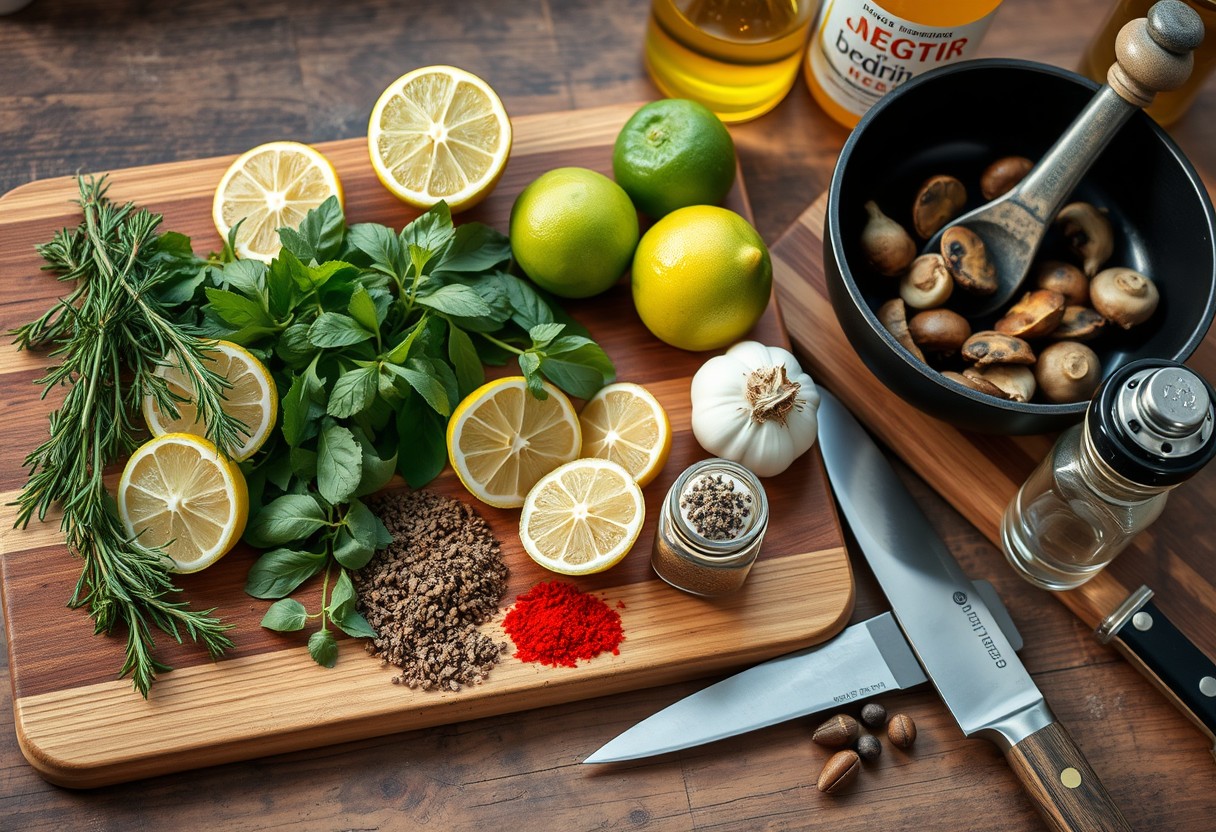
You can create deeply satisfying dishes without relying on salt, sugar, or fat by focusing on smart cooking strategies. Overuse of these ingredients increases health risks, but flavor doesn’t have to suffer. You already have the tools to transform everyday meals-through acid, aromatics, heat, and texture. Small, intentional changes unlock bold, complex tastes while supporting long-term wellness.
Key Takeaways:
- Acidic ingredients like lemon juice, vinegar, or pickled components can brighten dishes and create a more complex flavor profile without relying on salt, sugar, or fat.
- Building flavor in stages-using aromatics like onions, garlic, and ginger early, then finishing with fresh herbs-adds depth and dimension to meals.
- Umami-rich foods such as mushrooms, tomatoes, soy sauce, and aged cheeses enhance savoriness naturally, making dishes more satisfying with less added salt or fat.
Mastering the Power of Acid
Acidity cuts through richness and wakes up the palate, transforming flat or heavy dishes into something dynamic. When you add a splash of acid, you’re not just introducing tang-you’re creating balance. A well-placed dose of vinegar or citrus can make flavors pop without overwhelming them. The key is to use acid intentionally, not by default. Too little and the dish feels dull; too much and it becomes sharp. Taste as you go, adjusting in small increments to achieve a finish that feels lively and complete.
Choosing the right vinegar for the dish
Vinegar isn’t one-size-fits-all-each type brings its own character to a recipe. You’ll want mild, sweet rice vinegar for delicate Asian slaws, while dark balsamic works best drizzled over roasted vegetables or ripe strawberries. White wine vinegar adds clean brightness to seafood, and apple cider vinegar lends fruitiness to braises. Avoid harsh distilled white vinegar in finished dishes unless you’re after aggressive punch. The right pairing enhances depth without dominating, letting the dish’s core flavors shine through.
Utilizing citrus zest and juice for vibrant top notes
Citrus juice delivers a fresh, immediate lift that cuts through richness and highlights other ingredients. You can brighten a bowl of lentil soup or a pan sauce with just a squeeze of lemon or lime. But don’t stop at the juice-the zest contains aromatic oils that add intense flavor without extra liquid. A few shavings of lemon or orange zest stirred into a dish at the end brings a burst of fragrance and complexity that feels alive on the tongue. Always use organic citrus when zesting to avoid pesticides.
Layering Herbs and Spices
Building complex flavor begins with how you combine and layer botanicals throughout cooking. Start with dried herbs early to allow their flavors to dissolve and meld into the base, while adding fresh varieties at the end preserves their bright, volatile oils. Pairing complementary spices like cumin and coriander creates harmony, while contrasting notes-such as the sharpness of rosemary against the sweetness of thyme-add dimension. The most impactful results come from using both fresh and dried forms of the same herb, doubling the aromatic presence without increasing salt or fat.
Toasting whole spices for maximum oil release
Placing whole spices in a dry pan over medium heat unlocks their full aromatic potential. You’ll notice the fragrance intensify within minutes as the essential oils begin to emerge. Do not walk away-spices can burn in seconds, turning bitter and overpowering. Cumin, coriander, and mustard seeds respond especially well to toasting, releasing deeper, nuttier notes that ground your dish in warmth. Once fragrant, grind them fresh for the strongest flavor impact, ensuring every bite carries a layered, resonant depth that pre-ground versions rarely achieve.
Timing the addition of fresh herbs for optimal fragrance
Adding fresh herbs too early dulls their vibrant character under prolonged heat. Delicate varieties like basil, cilantro, and dill lose their brightness within minutes of simmering, so stir them in just before serving. Heartier herbs such as rosemary or thyme can withstand longer cooking, but still benefit from a final sprinkle of raw or lightly bruised leaves at the end. That last-minute addition delivers a burst of aromatic freshness that elevates the entire dish, making it taste more alive and intentionally seasoned without relying on excess salt or fat.
Harnessing Aromatic Foundations
Building a deeply flavorful dish starts with the aromatic base you develop at the beginning of cooking. Sautéing onions, carrots, and celery in a small amount of oil or broth creates a rich foundation that supports all other ingredients. As these vegetables soften and release their natural compounds, they form a savory backdrop that enhances the entire dish without relying on salt, sugar, or fat. Learn more about enhancing flavor in healthy cooking at How to Make Healthy Cooking Taste Better Without Extra ….
Sweating the classic mirepoix and holy trinity
Begin by gently cooking diced onions, celery, and carrots in a nonstick pan with a splash of broth to sweat the mirepoix without browning. This slow process draws out their natural sweetness and aroma, creating a delicate yet powerful base that infuses your dish with depth. For Creole or Cajun-inspired meals, replace the carrots with bell peppers to form the holy trinity, which adds a subtle earthiness and complexity. Keeping the heat low ensures the vegetables soften fully while preserving their bright, clean flavors.
Maximizing the potency of garlic, ginger, and shallots
Garlic, ginger, and shallots deliver intense flavor even in small amounts, making them essential for low-sodium, low-fat cooking. Add minced garlic and grated ginger just after the mirepoix to avoid burning, as their volatile oils peak quickly. Shallots, with their mild sweetness and sharp finish, caramelize faster than onions and blend seamlessly into sauces and sautés. Using these aromatics fresh and finely prepared ensures their essence disperses evenly, boosting taste without adding calories or sodium.
Optimizing High-Heat Cooking Techniques
Applying high heat strategically unlocks powerful flavor-building reactions without extra salt, sugar, or fat. The Maillard reaction and caramelization transform simple ingredients into deeply complex dishes by developing rich, savory, and sweet notes naturally. Achieving these reactions requires precise temperature control-too low, and you steam instead of sear; too high, and food burns before flavor develops. A preheated pan or oven ensures a rapid surface reaction, creating depth that enhances the entire dish.
Searing proteins to develop a flavorful crust
Start with a dry surface on your meat, poultry, or fish to ensure immediate browning instead of steaming. A hot pan triggers the Maillard reaction within seconds, forming a deeply colored, flavor-packed crust rich in savory compounds. Resist the urge to move the food too soon-let it sit until it releases naturally from the pan. This single step builds a foundation of complexity that elevates even the simplest preparation into something deeply satisfying.
Roasting vegetables to concentrate natural sweetness
Spread vegetables in a single layer on a preheated baking sheet to promote even browning and avoid overcrowding. As temperatures rise, moisture evaporates and natural sugars caramelize, intensifying flavor and creating crisp, golden edges. Dense vegetables like carrots, beets, or Brussels sprouts benefit most, transforming from bland to deeply sweet and nutty. The slow breakdown of starches into sugars during roasting adds richness without any added sweeteners.
Incorporating Natural Umami Boosters
You can deepen flavor without increasing salt by tapping into natural sources of glutamates, the compounds responsible for umami. These amino acids activate savory taste receptors on your tongue, delivering a rich, satisfying mouthfeel even with less sodium. Ingredients like aged cheeses, ripe tomatoes, and fermented foods contain high levels of free glutamates that enhance overall taste perception. By building dishes around these components, you create complexity that makes reduced-salt cooking both delicious and sustainable.
Using dried mushrooms and seaweed for earthy depth
Dried mushrooms, especially shiitake and porcini, concentrate glutamates during dehydration, giving them a powerful umami punch. When rehydrated or finely ground, they infuse sauces, soups, and rubs with a deep, earthy richness that mimics meatiness without added fat or salt. Similarly, seaweeds like kombu naturally contain glutamic acid and are often used to make dashi, a savory broth base. Adding a strip of kombu to beans or grains while cooking boosts flavor significantly without leaving a briny aftertaste.
Leveraging fermented products like miso and nutritional yeast
Miso paste, made from fermented soybeans, is packed with naturally occurring glutamates that deliver a rounded, savory depth to dressings, marinades, and glazes. A small spoonful can transform a broth or vegetable dish without making it taste salty. Nutritional yeast, a favorite in plant-based cooking, offers a cheesy, nutty flavor due to its free glutamic acid content. Just a sprinkle over roasted vegetables or popcorn adds boldness and satisfaction with minimal sodium impact.
Manipulating Texture and Serving Temperature
Texture and serving temperature profoundly influence how your brain perceives flavor, even when ingredients remain unchanged. A dish served at the ideal temperature can unlock subtle notes that go unnoticed when too hot or too cold, while contrasting textures make each bite more engaging. By thoughtfully adjusting these elements, you guide the diner’s experience without altering the recipe’s foundation. These sensory cues don’t just add variety-they reshape perception, making food taste richer, brighter, or more satisfying without extra salt, sugar, or fat.
| Key Factor | Impact on Flavor Perception |
| Cold temperatures | Suppress sweetness and bitterness; enhance refreshment in dishes like gazpacho or yogurt-based sauces |
| Warm temperatures | Amplify aroma and richness; deepen savory notes in soups and stews |
| Crunchy elements | Add contrast that heightens satisfaction; draw attention to otherwise subtle flavors |
| Creamy components | Smooth out sharpness; balance acidity and heat for a rounded mouthfeel |
Creating contrast with crunchy and creamy garnishes
Introducing a crisp topping like toasted breadcrumbs, crushed nuts, or seared shallots over a velvety puree or soup creates a dynamic eating experience. That sudden shift from soft to crunchy triggers sensory engagement that makes food feel more complex and satisfying. You don’t need added fat or salt for impact-texture alone can mimic richness. A sprinkle of roasted chickpeas on a cool lentil salad, for instance, delivers both earthiness and snap, turning simple ingredients into something memorably textured and deeply flavorful.
Adjusting serving temperature to reveal hidden flavor profiles
Serving food at the right temperature can expose layers of taste that heat alone would mask. Chilled herb oils drizzled over warm vegetables release aromatic volatility as they sizzle slightly on contact, enhancing freshness. Conversely, letting a tomato salad come closer to room temperature before serving preserves its natural sweetness and acidity, which vanish when overly cold. Even slight shifts-like warming a citrus vinaigrette just enough to loosen its oils-can intensify brightness without adding sugar or salt.
Conclusion
You can create deeply satisfying flavors without relying on excess salt, sugar, or fat by working with the natural chemistry of food. Building complexity comes from thoughtful layering-using acid to brighten, herbs and spices to add depth, and high-heat methods to develop richness through browning. Aromatic bases, umami-rich ingredients, and attention to texture and temperature all contribute to a more engaging eating experience. When you focus on technique and balance, your dishes gain character and intensity that go far beyond simple seasoning.
FAQ
Q: How can I make food taste richer without using extra salt, sugar, or fat?
A: Building depth of flavor starts with layering ingredients that contribute natural savoriness and complexity. Use ingredients like roasted garlic, caramelized onions, sun-dried tomatoes, and mushrooms to add richness. Toasting spices before use unlocks deeper notes, while deglazing pans with broth or wine captures browned bits full of flavor. A splash of vinegar or citrus juice at the end brightens the dish and enhances perception of taste without adding salt or sugar.
Q: What role does acid play in reducing reliance on salt?
A: Acidic ingredients such as lemon juice, lime juice, apple cider vinegar, and verjus stimulate the taste buds and make flavors pop, mimicking the sharpness that salt provides. A small amount of acid added just before serving lifts the entire dish, making it taste more seasoned even when sodium is reduced. For example, a drizzle of balsamic reduction over roasted vegetables enhances sweetness and depth without extra sugar or salt.
Q: Can herbs and spices really replace the flavor lost from cutting back on fat?
A: Yes, whole and fresh herbs introduce aromatic complexity that fat alone cannot provide. Cilantro, thyme, rosemary, and basil each bring distinct profiles that evolve with cooking time. Ground spices like cumin, smoked paprika, and turmeric add warmth and body. Toasting whole spices in a dry pan before grinding intensifies their aroma. A dish like Moroccan-spiced lentils gains heartiness from spices rather than oil or butter.
Q: What are natural sources of umami, and how do they help?
A: Umami-rich ingredients include tomato paste, soy sauce, miso paste, nutritional yeast, Parmesan rind, and dried mushrooms. These contain glutamates and nucleotides that trigger savory taste receptors. Simmering a handful of dried shiitake mushrooms in soups or stews imparts a meaty depth. A spoonful of miso stirred into a broth adds complexity without fat or salt overload. These ingredients satisfy the palate in ways simple seasoning cannot.
Q: Does cooking temperature affect flavor development without added fat?
A: High-heat techniques like searing, roasting, and grilling promote browning through the Maillard reaction, creating hundreds of flavor compounds. A cast-iron skillet can achieve a crisp crust on chicken or tofu without drowning it in oil. Roasting vegetables at 425°F concentrates their natural sugars and brings out nutty, toasty notes. Even a quick broil can deepen flavor quickly, making dishes taste more indulgent without added fat.