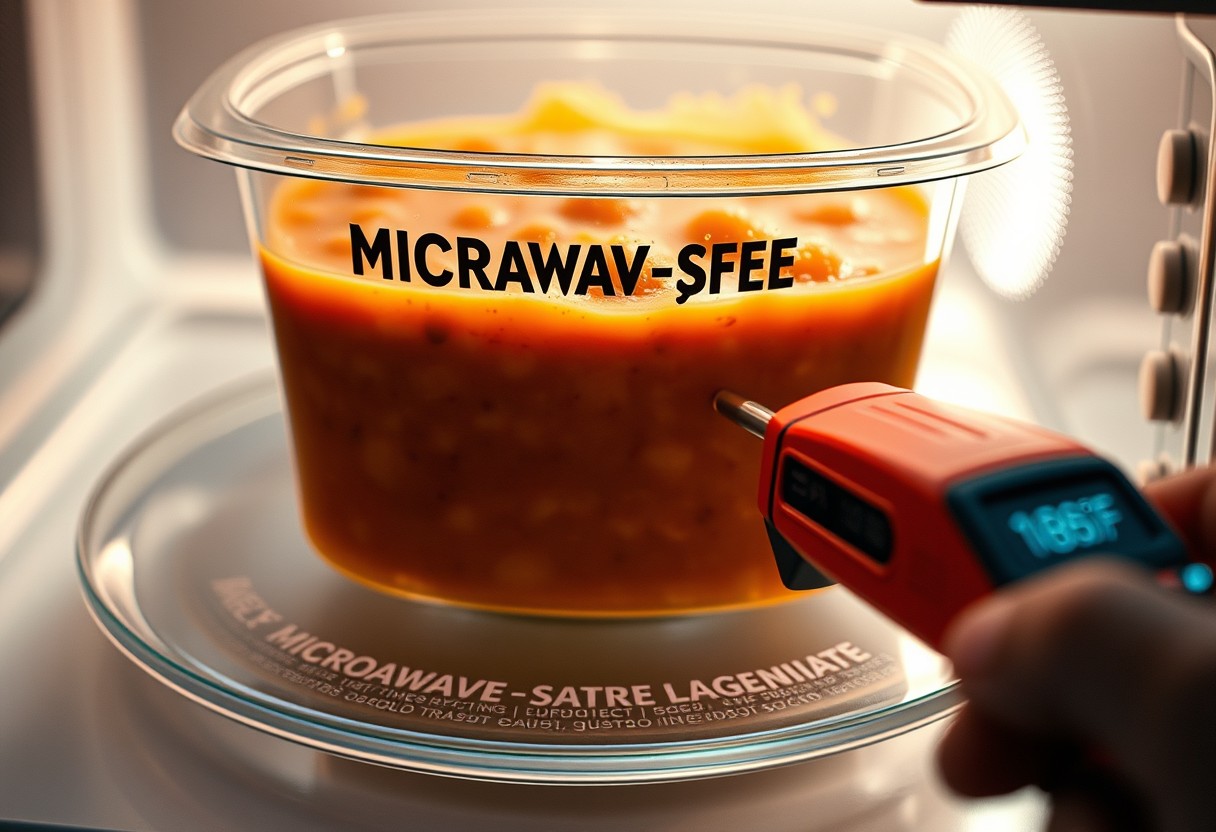
How to Prevent Uneven Heating When Reheating Food in Deep Containers
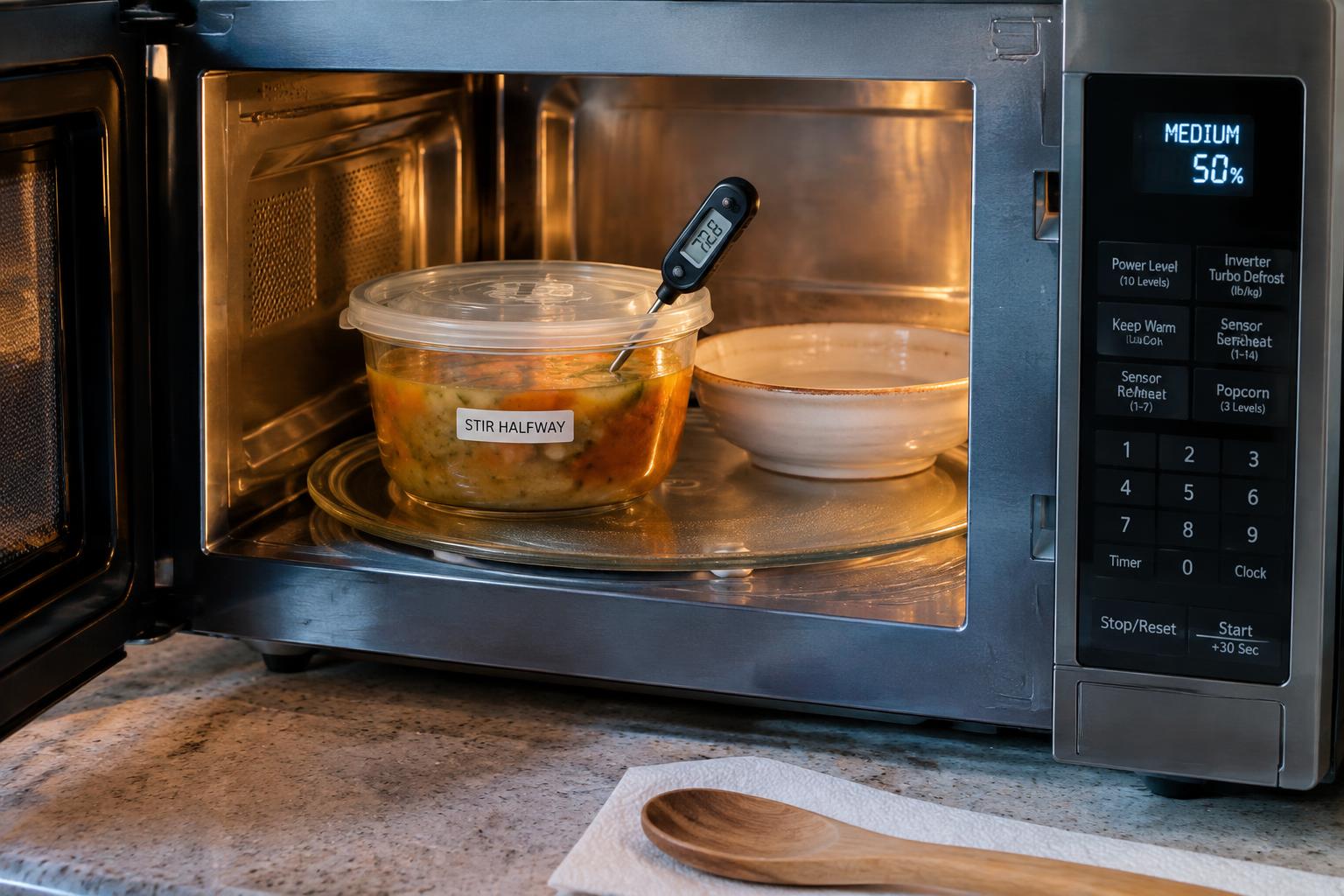
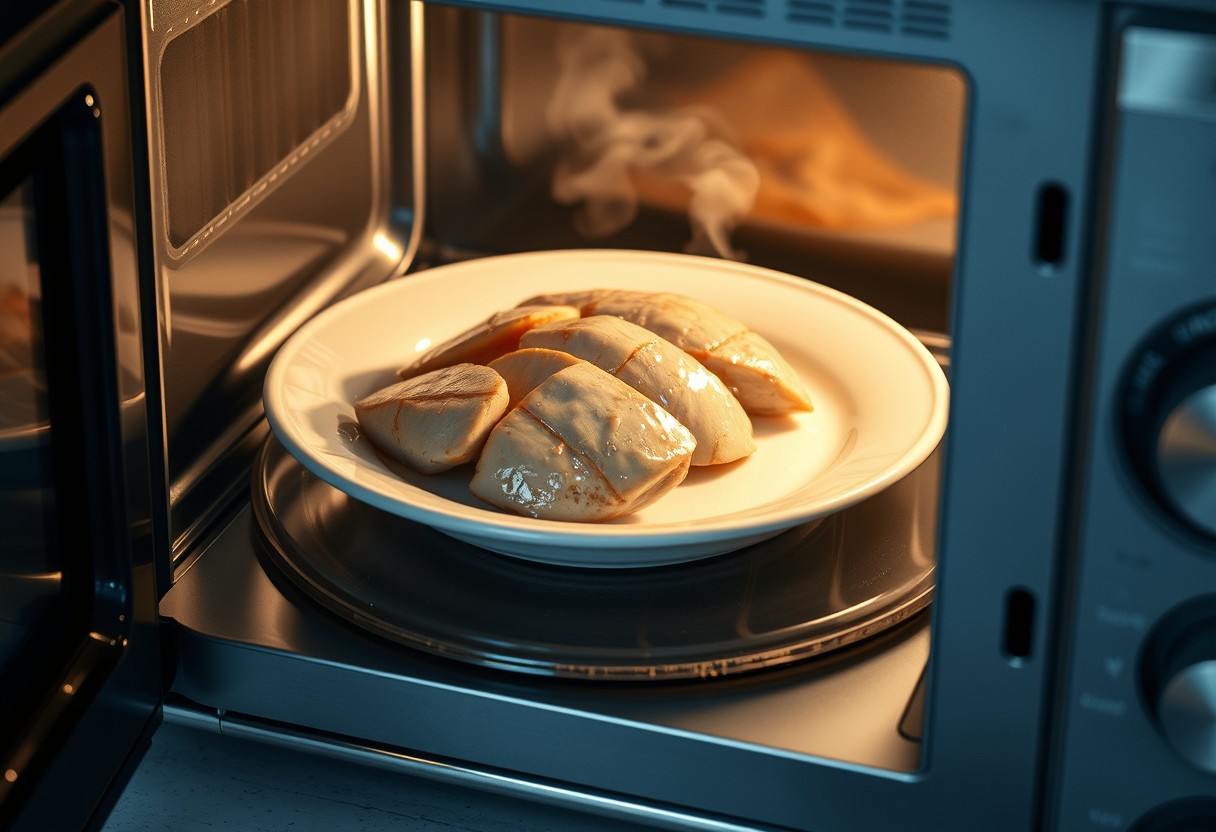
You’ve likely encountered cold spots in the center of your meal while the edges scorch-this dangerous temperature imbalance can harbor bacteria. Reheating food in deep containers poses unique challenges due to limited heat penetration. But with the right techniques, you can achieve even, safe, and consistently hot results every time, preserving both flavor and food … Read more
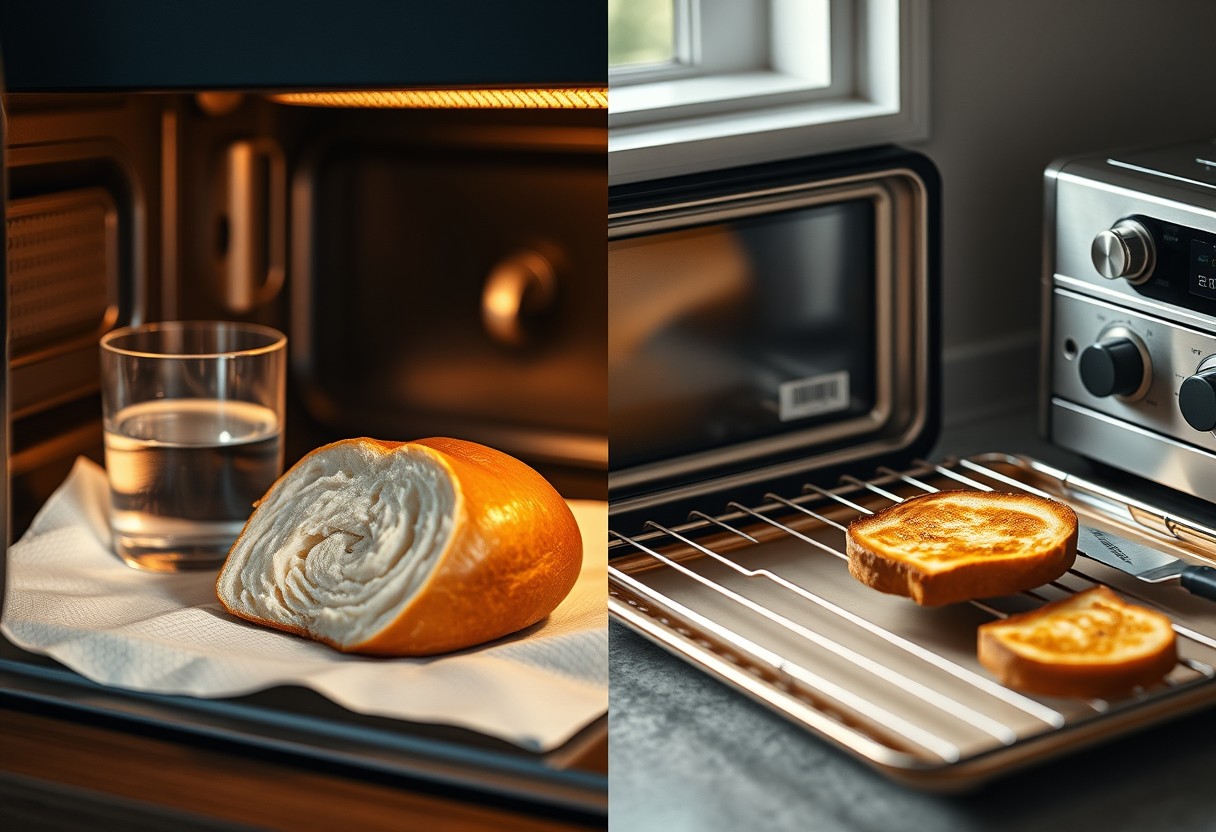
Why Bread Turns Chewy in the Microwave-and Better Ways to Warm It

You’ve likely reheated bread in the microwave only to find it rubbery and unpleasant. This happens because microwaves excite water molecules unevenly, causing rapid starch changes that destroy texture. While convenient, the microwave often does more harm than good. You can preserve softness and flavor using smarter, accessible methods that protect the bread’s structure. Key … Read more

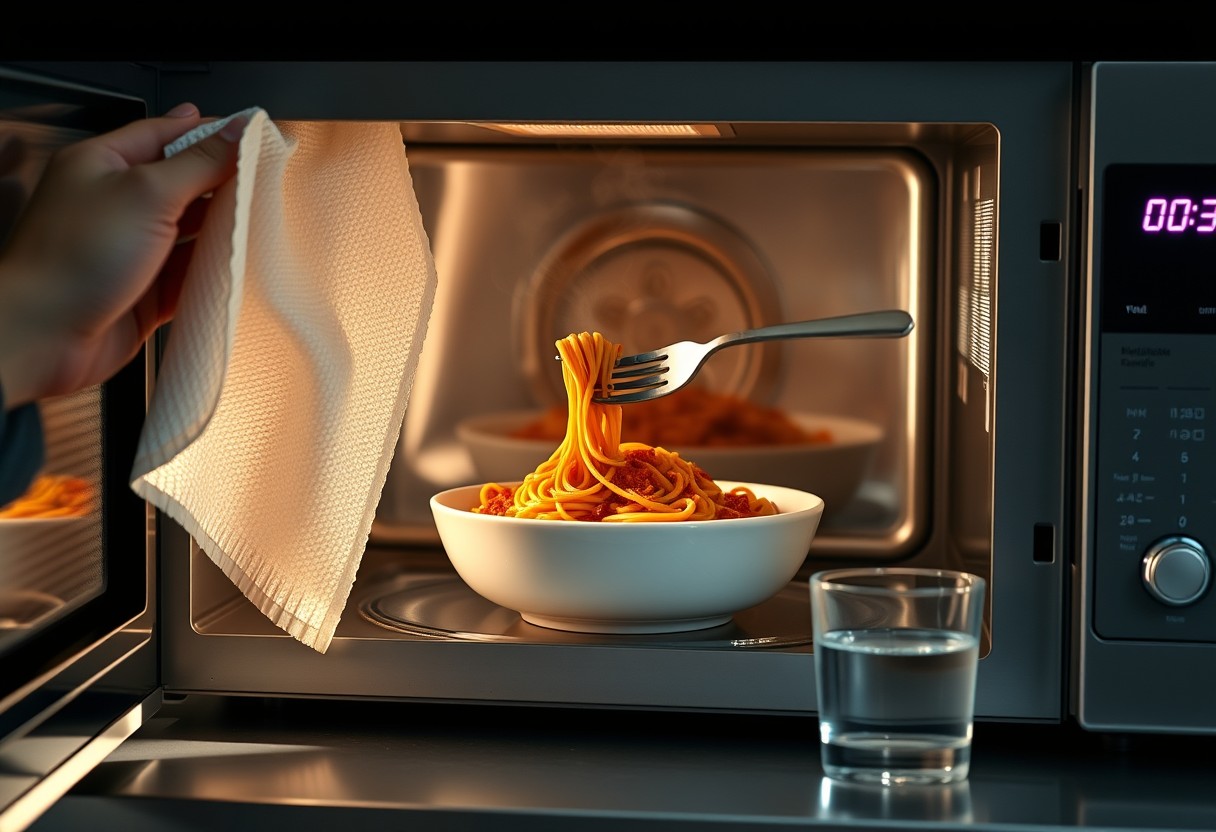
How to Reheat Pasta in the Microwave Without Making It Rubbery

You can reheat pasta in the microwave without turning it into a dry, rubbery mess-the key is moisture and timing. Overheating or skipping hydration leads to tough, unappetizing results. With the right technique, your leftovers will taste nearly as good as fresh. This guide shows you exactly how to achieve perfectly warmed, tender pasta every … Read more

Why Cutting Food Different Ways Changes How Fast It Cooks

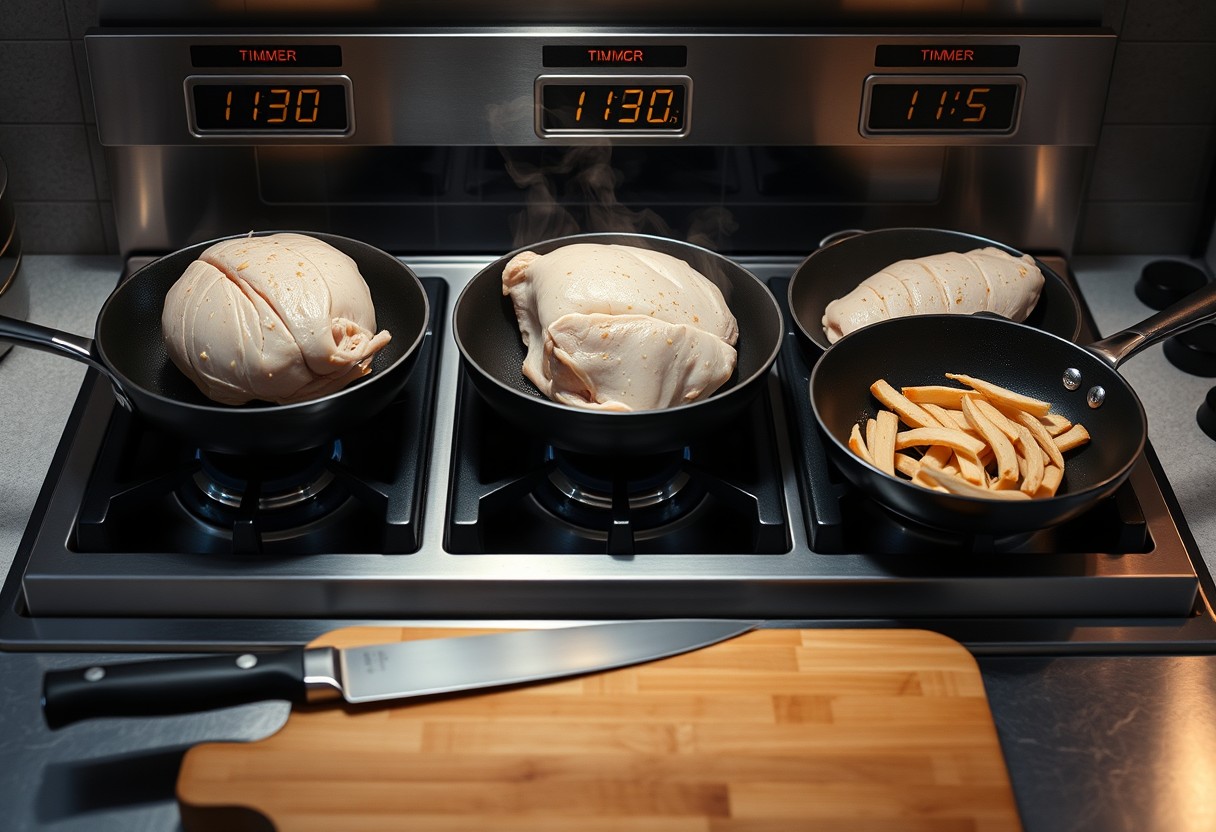
You’ve likely noticed that smaller food pieces brown faster or boil more quickly than larger chunks. That’s no accident. The way you cut your ingredients directly affects how heat moves through them. Improper cuts can lead to uneven cooking or even food safety risks, while precise, consistent shapes promote even results. Understanding this link between … Read more

How to Keep Crispy Foods From Becoming Soggy After Cooking

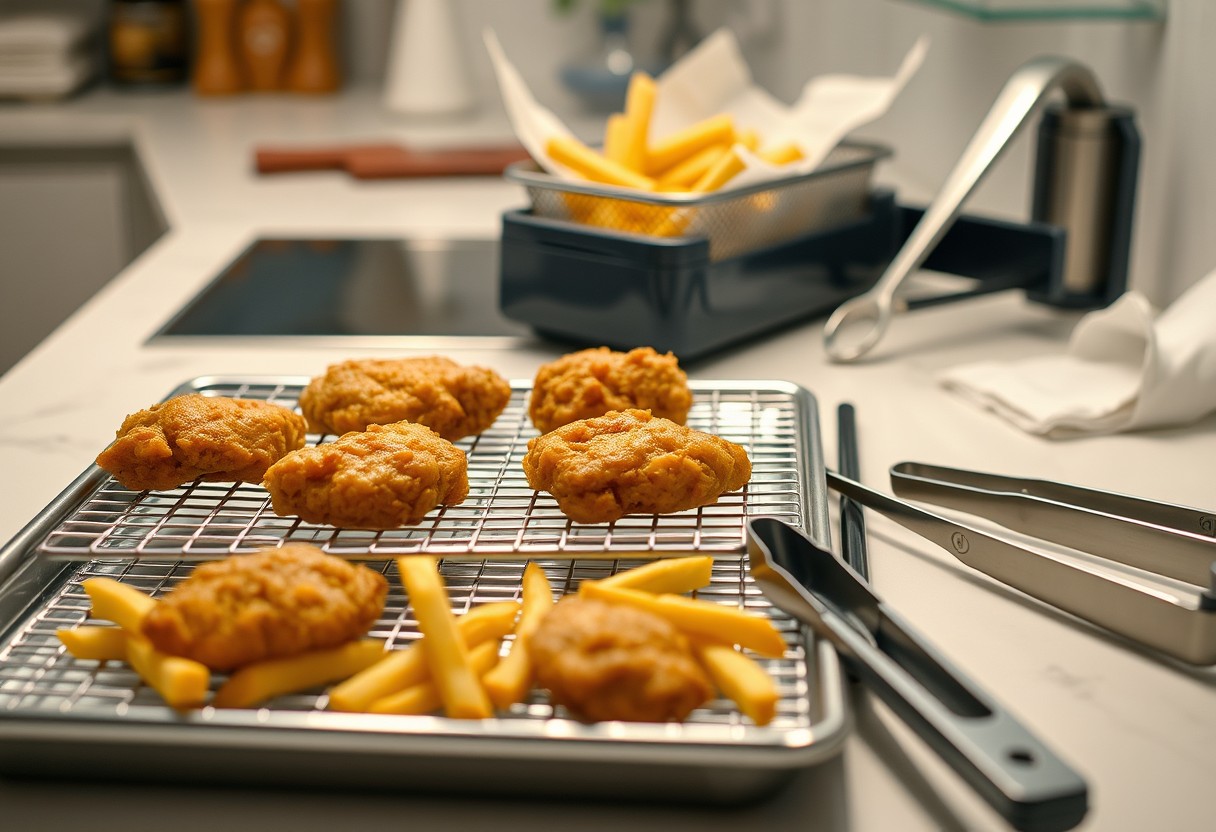
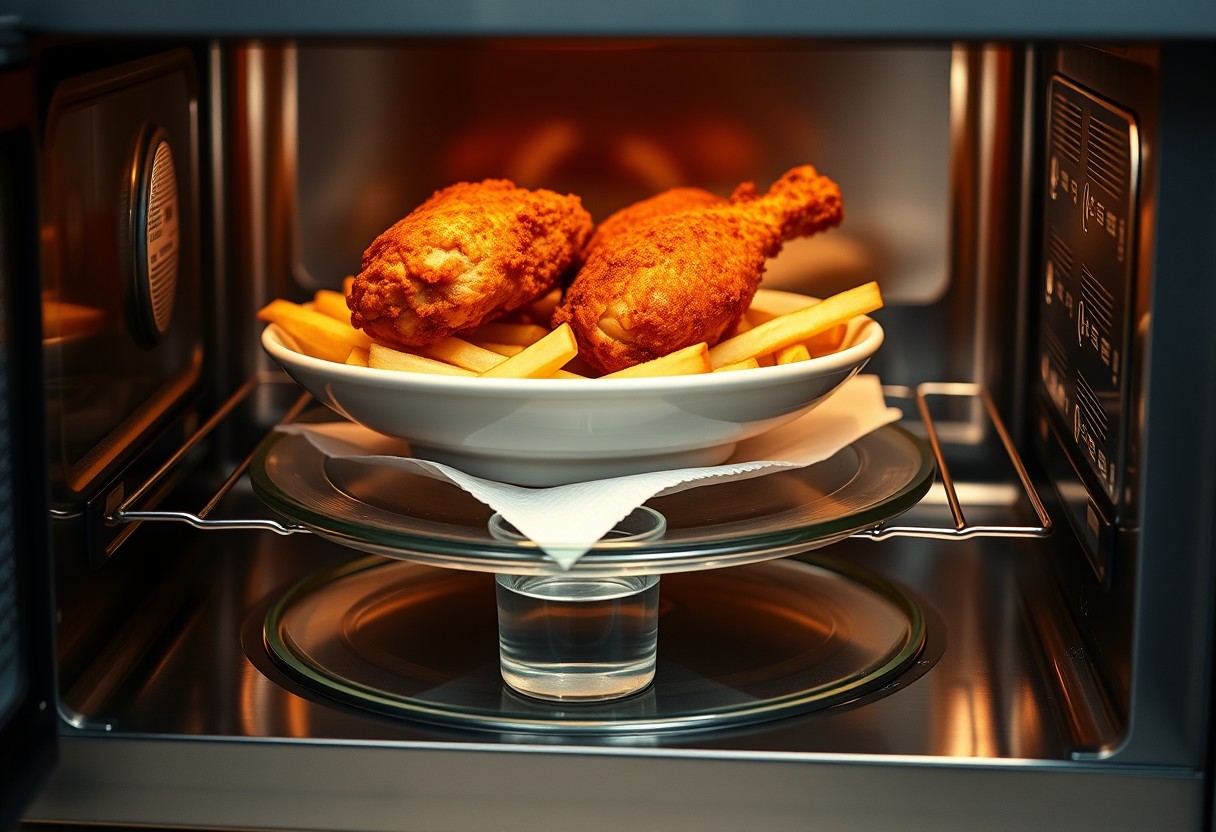
You can maintain a perfect crunch in fried chicken, fries, or tempura long after cooking by controlling moisture and heat. Steam trapped under the crust is the main cause of sogginess, but with the right techniques, you can prevent it. This guide shows you exactly how to keep your crispy foods crisp-every time. Key Takeaways: … Read more

How to Rescue Vegetables That Have Been Cooked Too Long

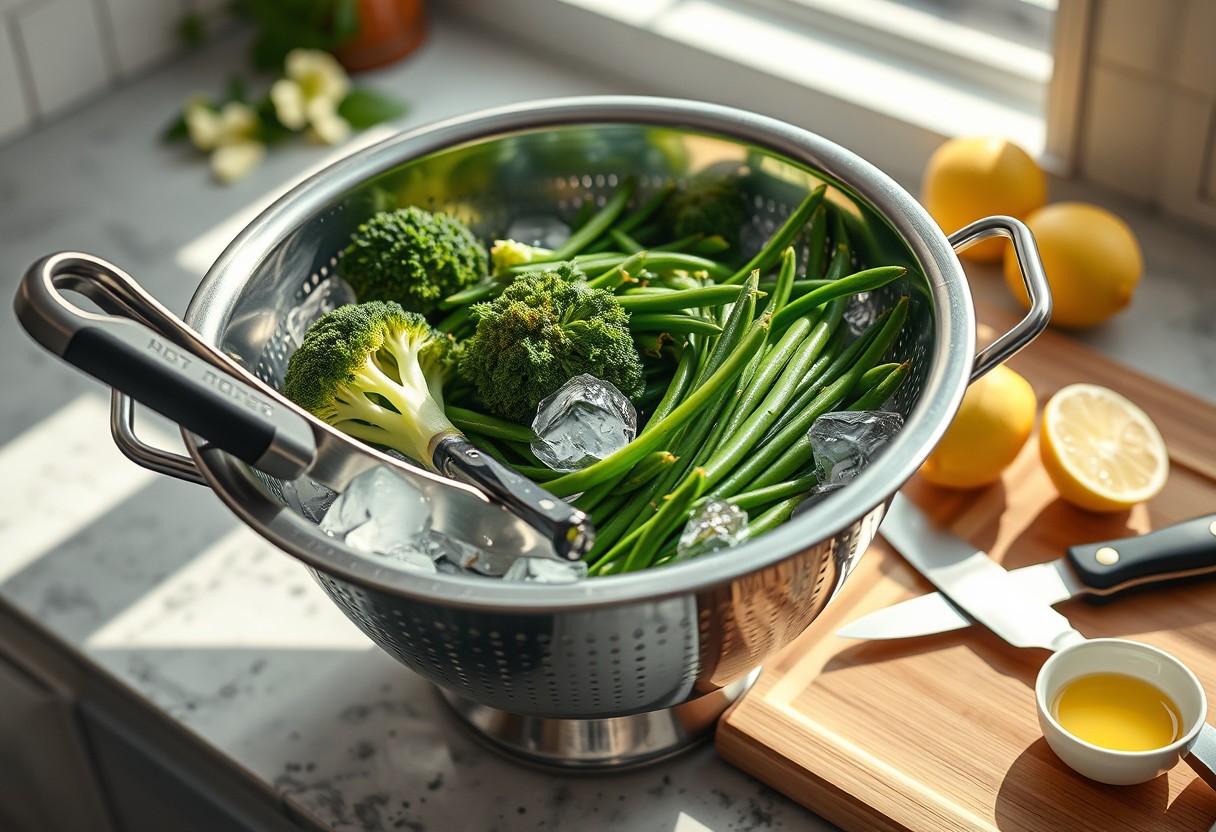
You can save overcooked vegetables and turn them into a delicious dish with the right techniques. Ignoring mushy textures doesn’t mean tossing them out-you have practical options that restore flavor and usability. Acting quickly prevents waste and preserves nutrients, while certain methods can even enhance the final result. This guide shows you exactly how to … Read more

Why Covering Food in the Microwave Makes Such a Big Difference

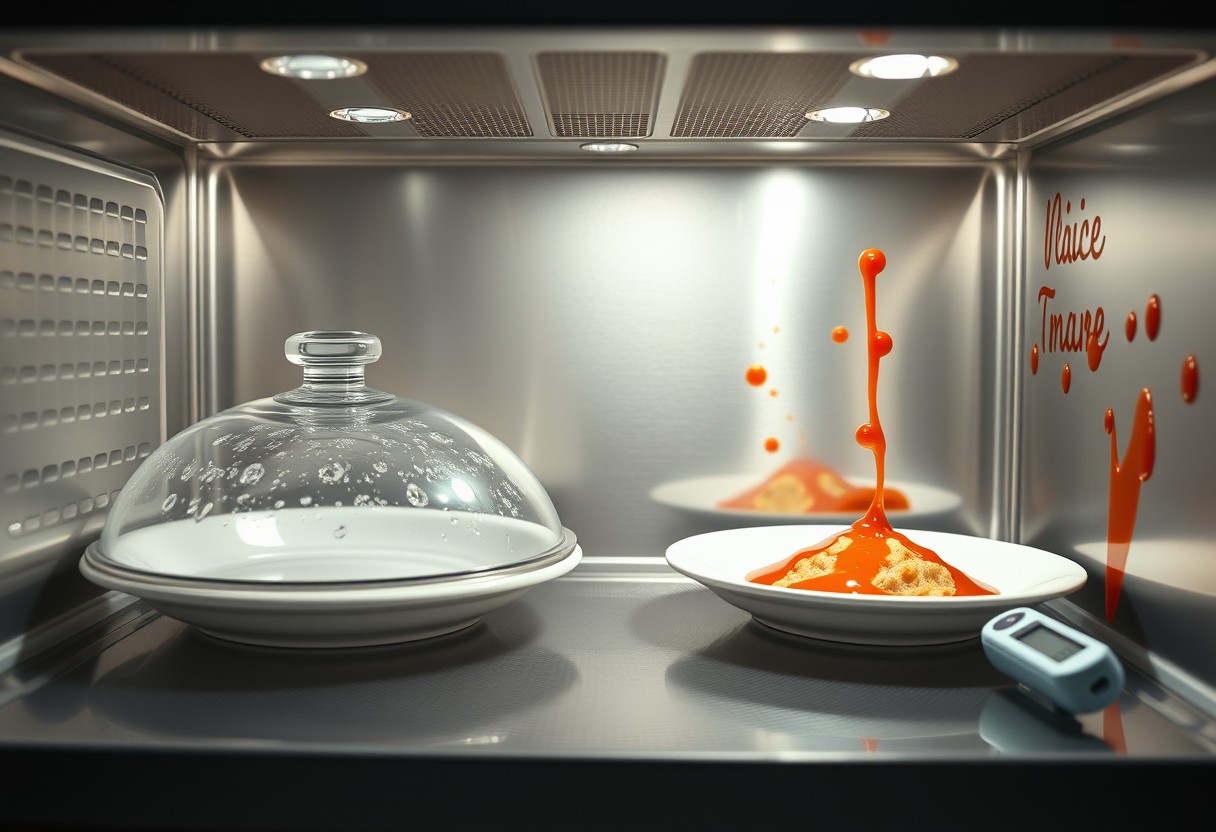
You’ve likely reheated food only to find it soggy, dry, or exploded across the interior. Covering your dish isn’t just about preventing messy splatters-it’s key to even heating and retaining moisture. More importantly, a proper cover helps eliminate dangerous cold spots where bacteria can survive, making your meal both safer and more enjoyable. Key Takeaways: … Read more

Why Your Microwave Makes Food Dry Even When You Cover It

You’ve covered your leftovers, hit start, and still ended up with rubbery chicken or parched rice. Microwaves excite water molecules to generate heat, but that process often forces moisture out faster than it can be retained. Even with a lid, steam escapes or condenses unevenly, leaving parts of your meal dry. You’re not overheating-it’s how … Read more

Why Some Soups Bubble Over in the Microwave While Others Don’t

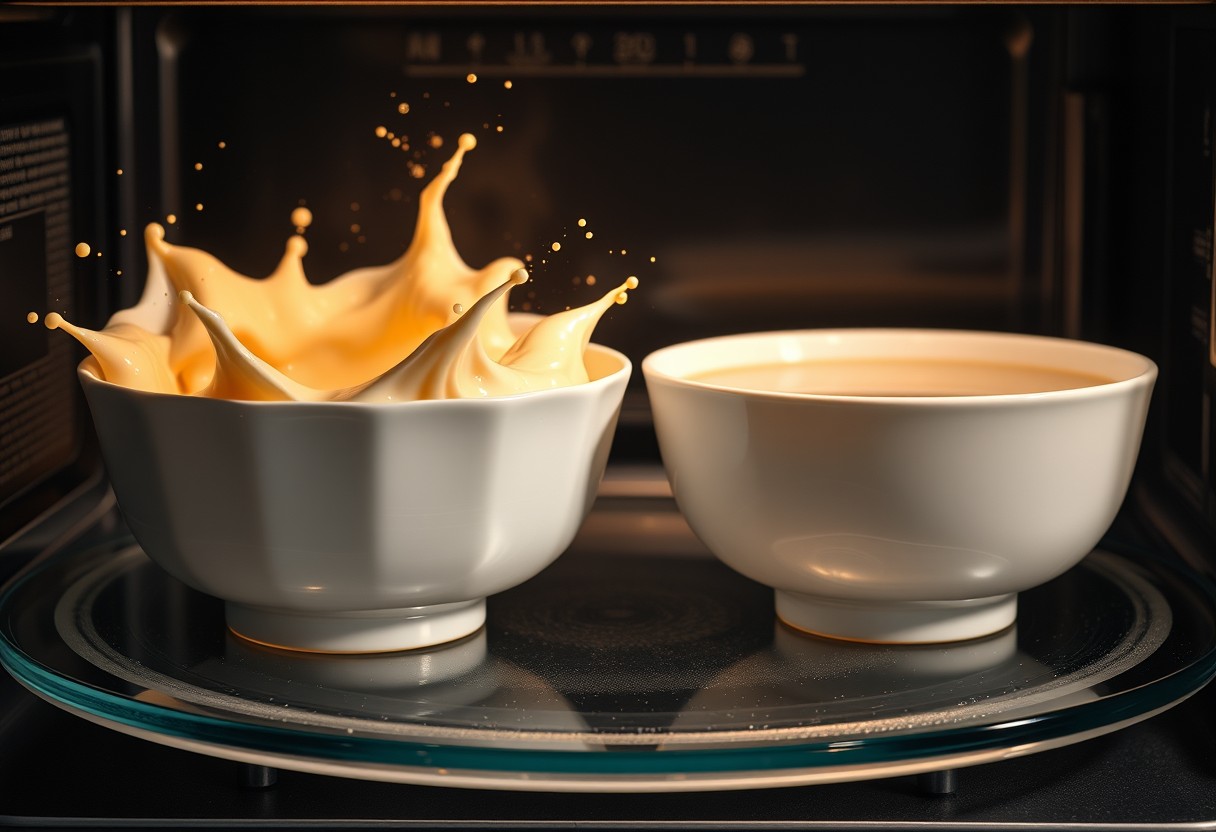
You’ve likely watched your soup rise violently in the microwave, spilling over without warning. This sudden eruption isn’t random-it’s physics. Denser, starch-rich soups trap steam beneath a thick surface layer, building pressure until they explode. In contrast, thinner broths release vapor steadily. Understanding this can prevent burns and messes, while revealing how ingredients and container … Read more

Why Food Gets Hot Around the Edges but Stays Cold in the Middle

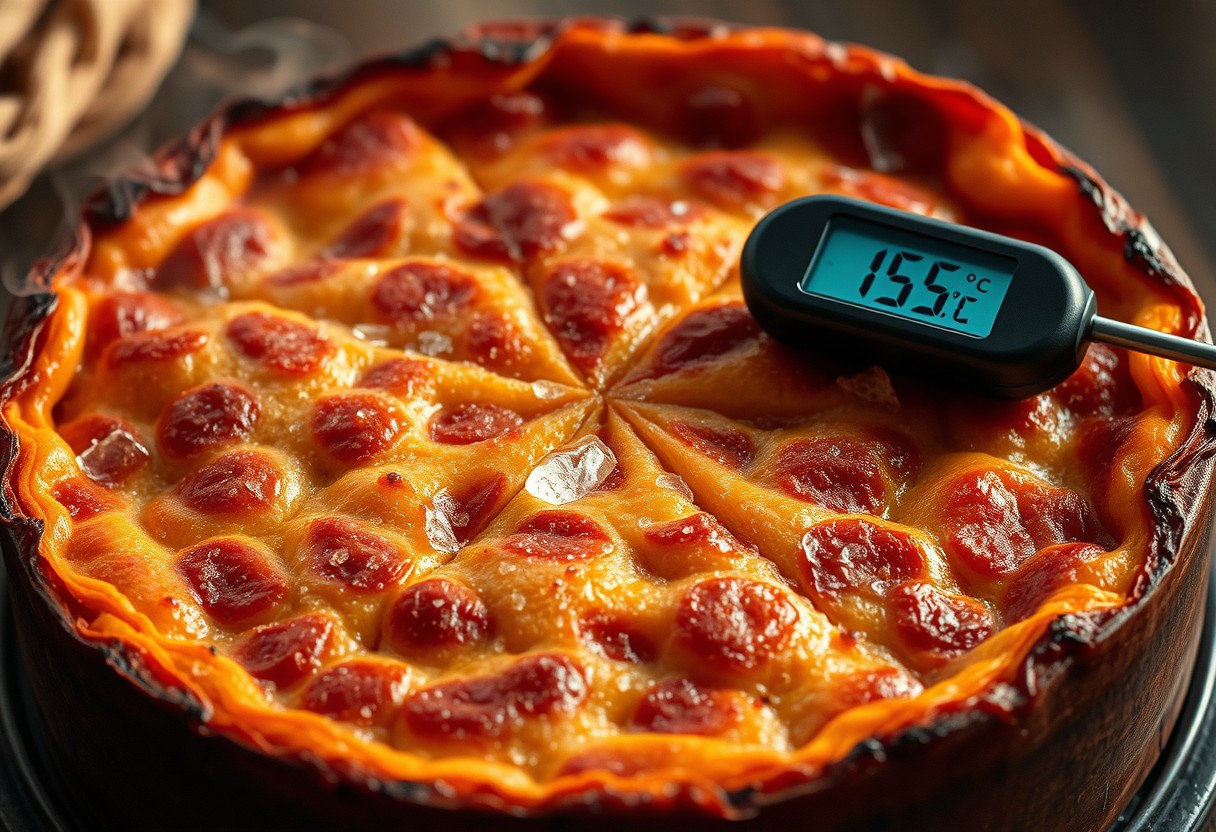
You’ve likely bitten into a dish that’s scorching on the edges but cold at its core-a common microwave flaw. This uneven heating can create food safety risks, as cold spots may harbor harmful bacteria. The issue isn’t your appliance’s fault alone; it stems from how energy interacts with your food’s shape, composition, and moisture. Understanding … Read more

Why Some Microwave-Safe Containers Still Get Extremely Hot

You’ve checked the label-your container is microwave-safe-yet it comes out scorching, sometimes too hot to touch. This heat isn’t a flaw-it’s physics. Even approved materials can absorb microwave energy or conduct heat from food, creating serious burn risks. Understanding why helps you use containers safely and avoid unexpected injuries, even when following instructions to the … Read more