Why Microwave Food Sometimes Smells Stronger Than It Tastes

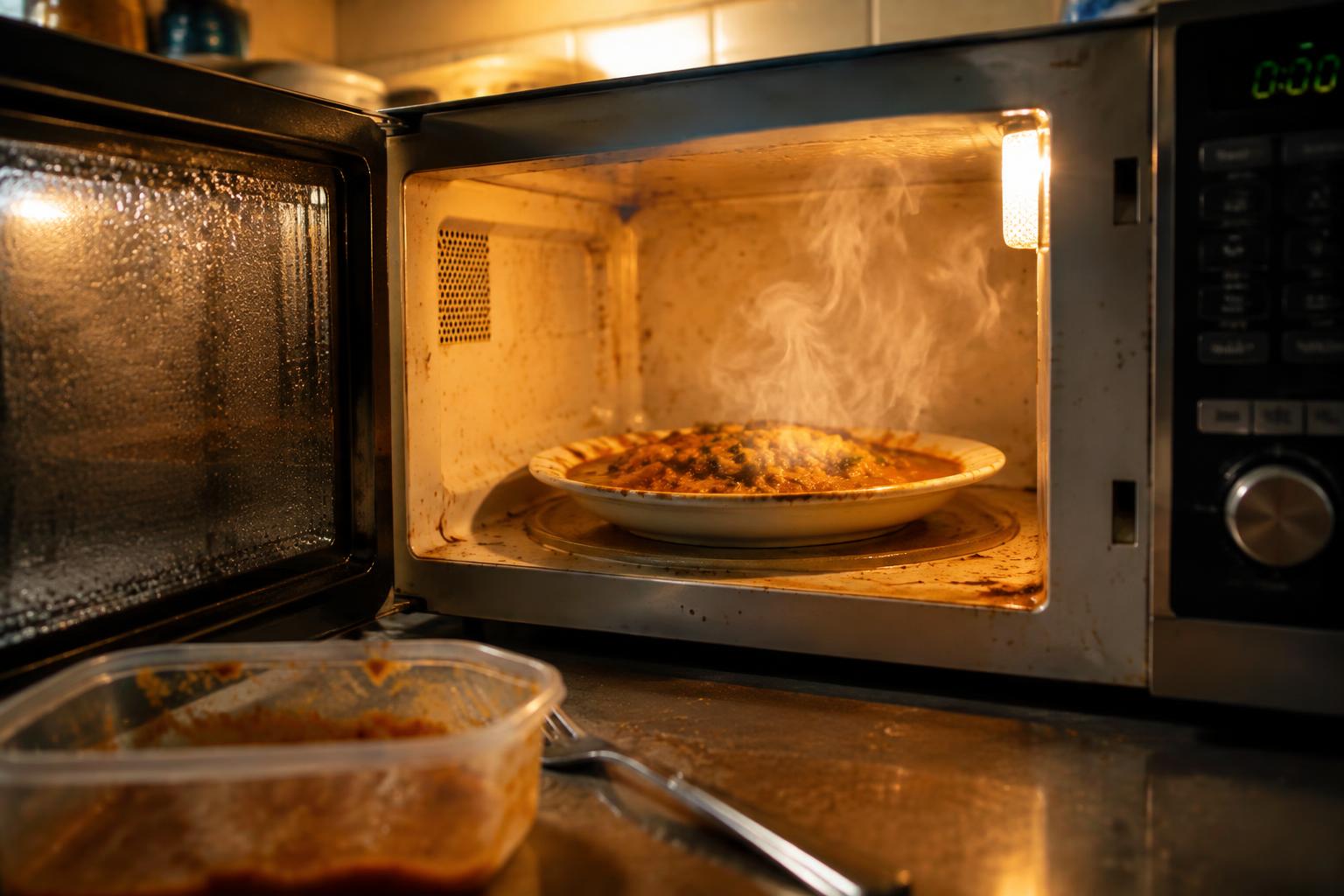
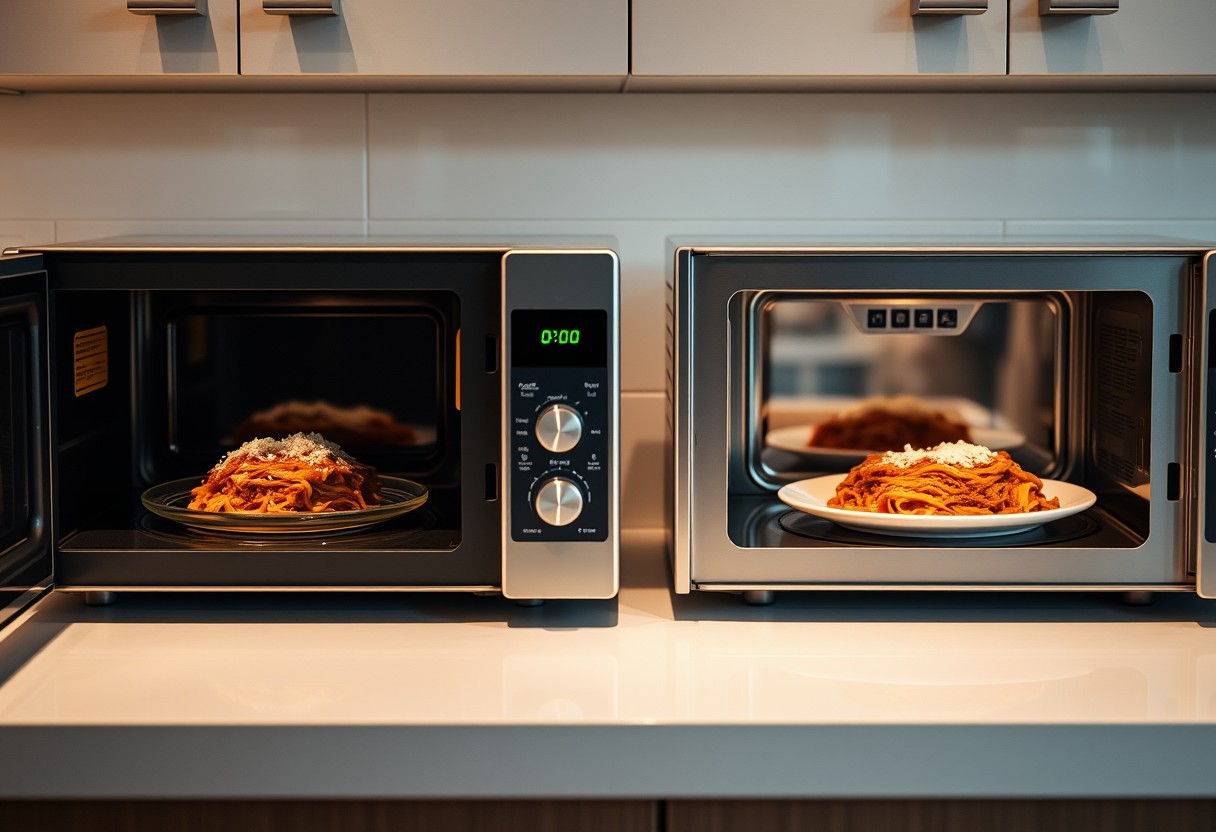
You’ve opened the microwave after heating leftovers and been hit with a powerful aroma, only to find the actual taste underwhelming. This mismatch between smell and flavor is rooted in how microwaves excite volatile molecules, sending them into your nose before they reach your tongue. The result can be deceptive-intense odors don’t always mean strong … Read more

Why Microwaved Cheese Sometimes Turns Rubbery-and How to Prevent It

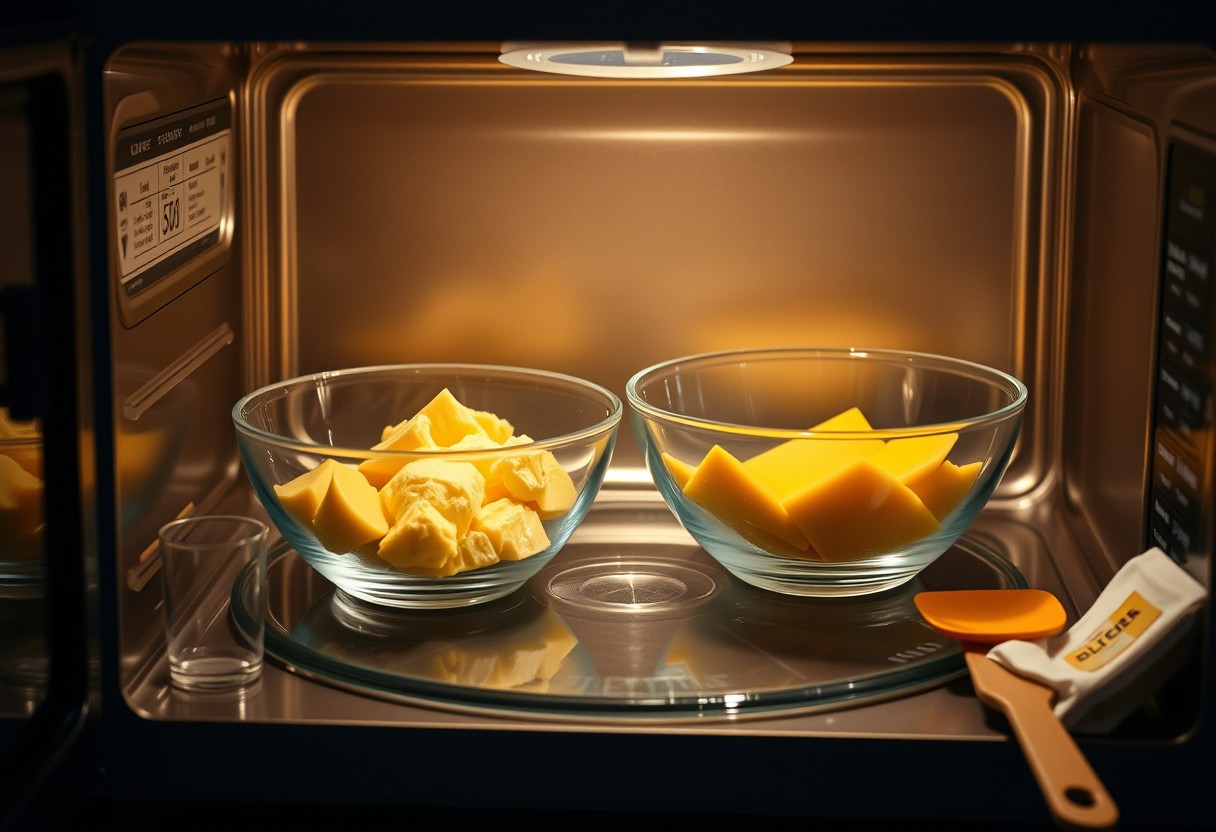
You’ve likely heated cheese in the microwave only to find it tough, stringy, or unappetizingly rubbery. This reaction isn’t random-it happens when proteins tighten and moisture escapes due to excessive heat or prolonged cooking. The good news: with the right cheese and technique, you can achieve smooth, creamy results every time. Understanding the science puts … Read more

Why Stirring Food Midway Through Cooking Actually Matters

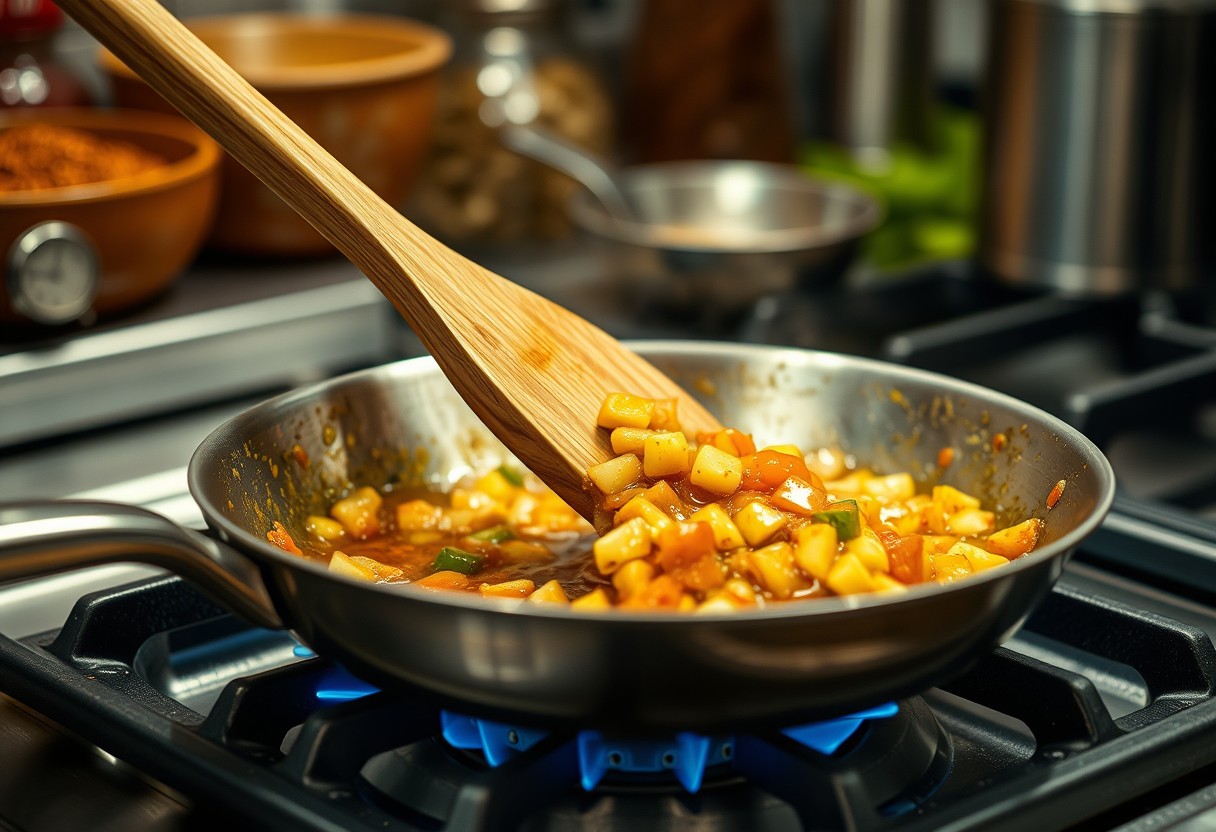
You’ve likely stirred a pot without thinking, but that simple motion does far more than mix ingredients. Uneven heat distribution can lead to undercooked centers and burnt edges, compromising both safety and flavor. Stirring midway corrects thermal imbalances, ensures consistent texture, and prevents dangerous hotspots-especially in dense or sugary mixtures. It’s not just habit; it’s … Read more

How Food Shape and Thickness Affect Microwave Cooking Time

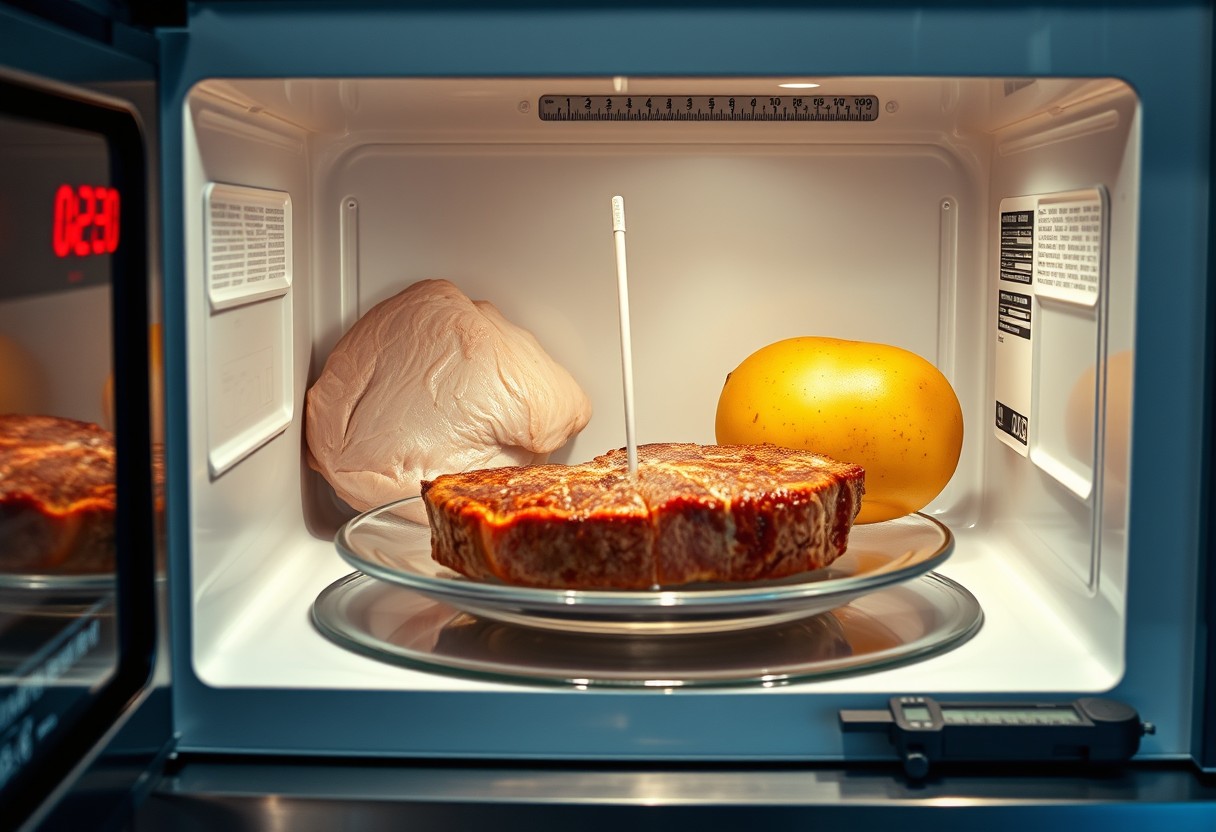
You’ve likely noticed some parts of your meal scorch while others stay cold, even when using the same setting. Food shape and thickness directly determine how evenly and quickly microwaves heat your meal. Irregular shapes create hot spots, while thick centers often remain undercooked due to limited wave penetration. Understanding these factors prevents foodborne risks … Read more

Microwave Cooking Mistakes That Make Food Uneven, Dry, or Overcooked

You’ve likely reheated leftovers only to find them scalding hot in one spot and frozen in another. Microwave cooking can save time, but common errors lead to dry textures, uneven heating, and overcooked edges. Understanding these pitfalls helps you avoid mealtime frustration and ensures your food retains moisture, flavor, and safe internal temperatures every time. … Read more

What Microwave Power Levels Actually Do-and When to Use Each One

You’ve likely pressed the “Power Level” button without fully understanding what it controls. Lower settings don’t reduce heat-they cycle the magnetron on and off, allowing food to cook more evenly. Using high power unnecessarily can scorch edges while leaving centers cold, while too-low settings may leave harmful bacteria thriving in undercooked zones. Knowing when to … Read more

Why Rice Becomes Hard in the Microwave-and How to Keep It Soft

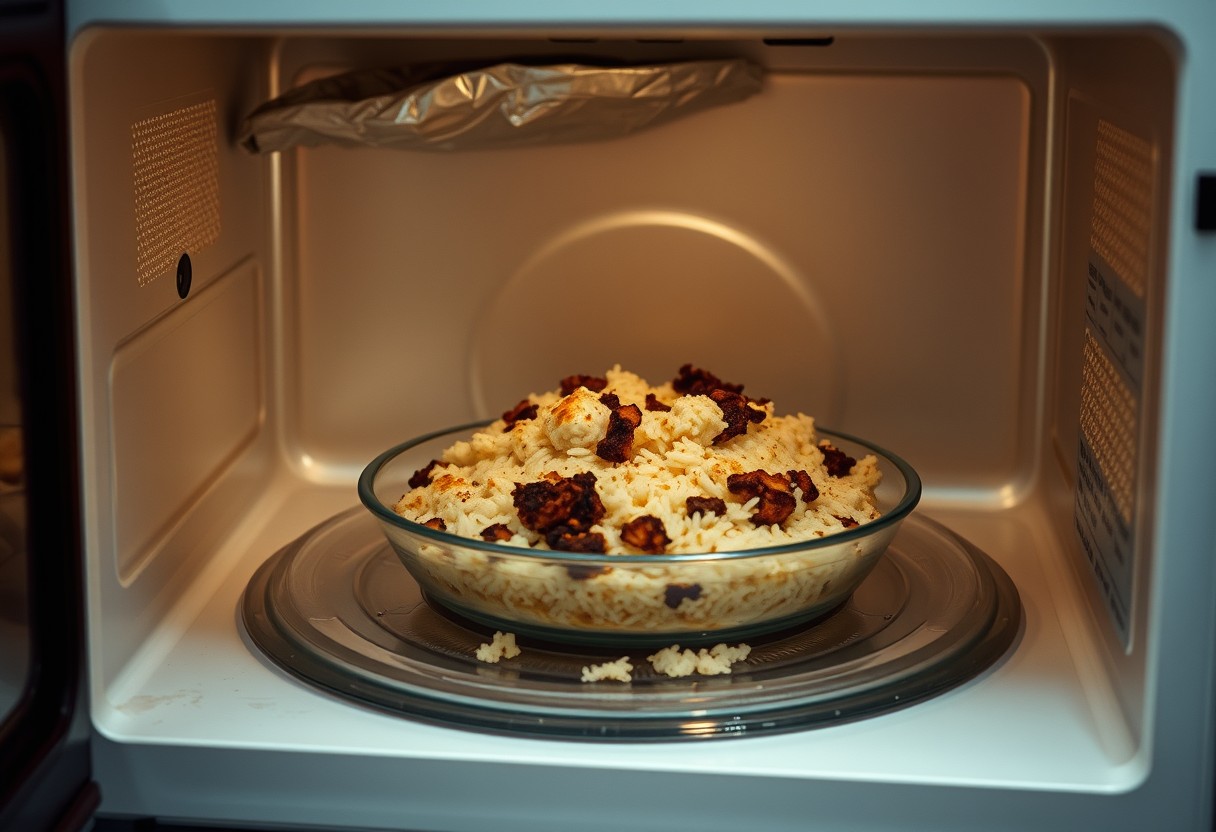
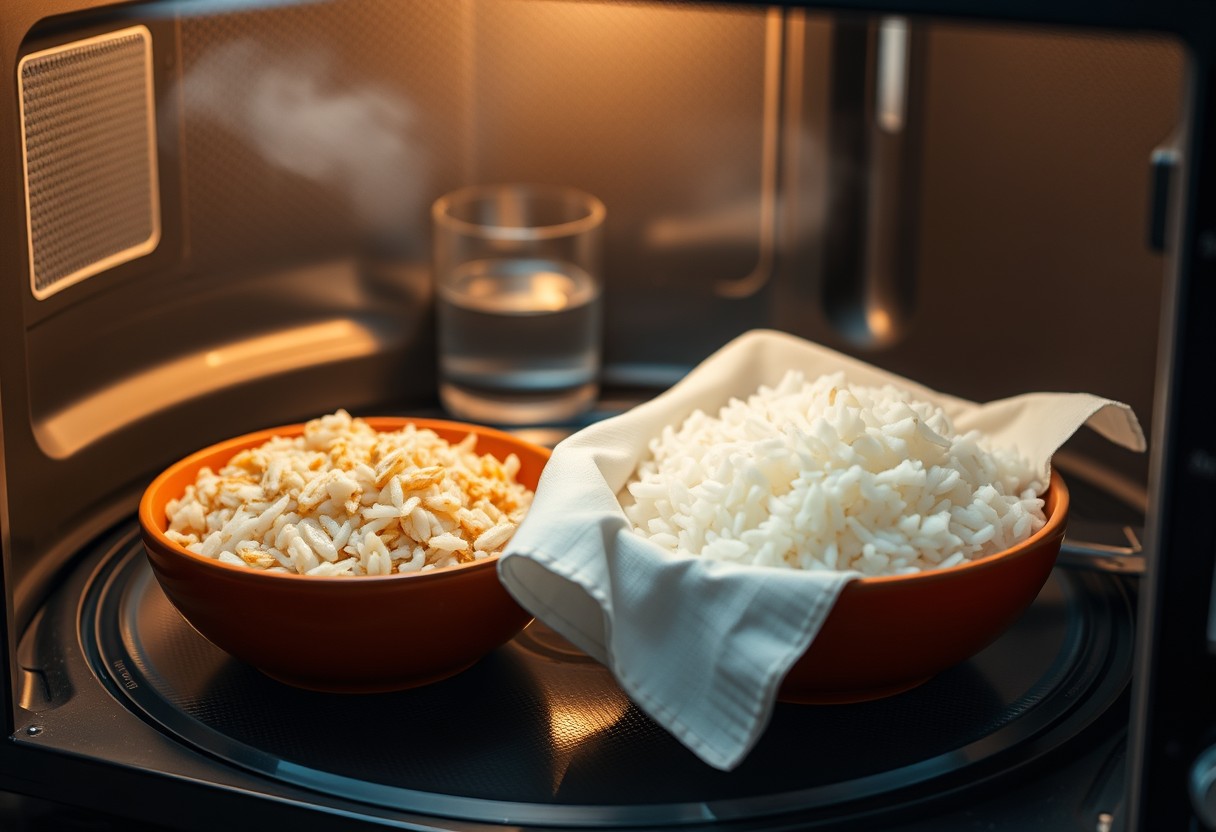
You’ve likely reheated rice only to find it dry and tough, but this texture change isn’t random-it’s science. When cooked rice cools, its starch molecules realign and harden, a process accelerated by improper storage. The microwave can worsen this if used incorrectly. But you can reverse and prevent hardness with simple techniques, ensuring soft, fluffy … Read more

Why Your Microwave Heats One Side of the Food More Than the Other

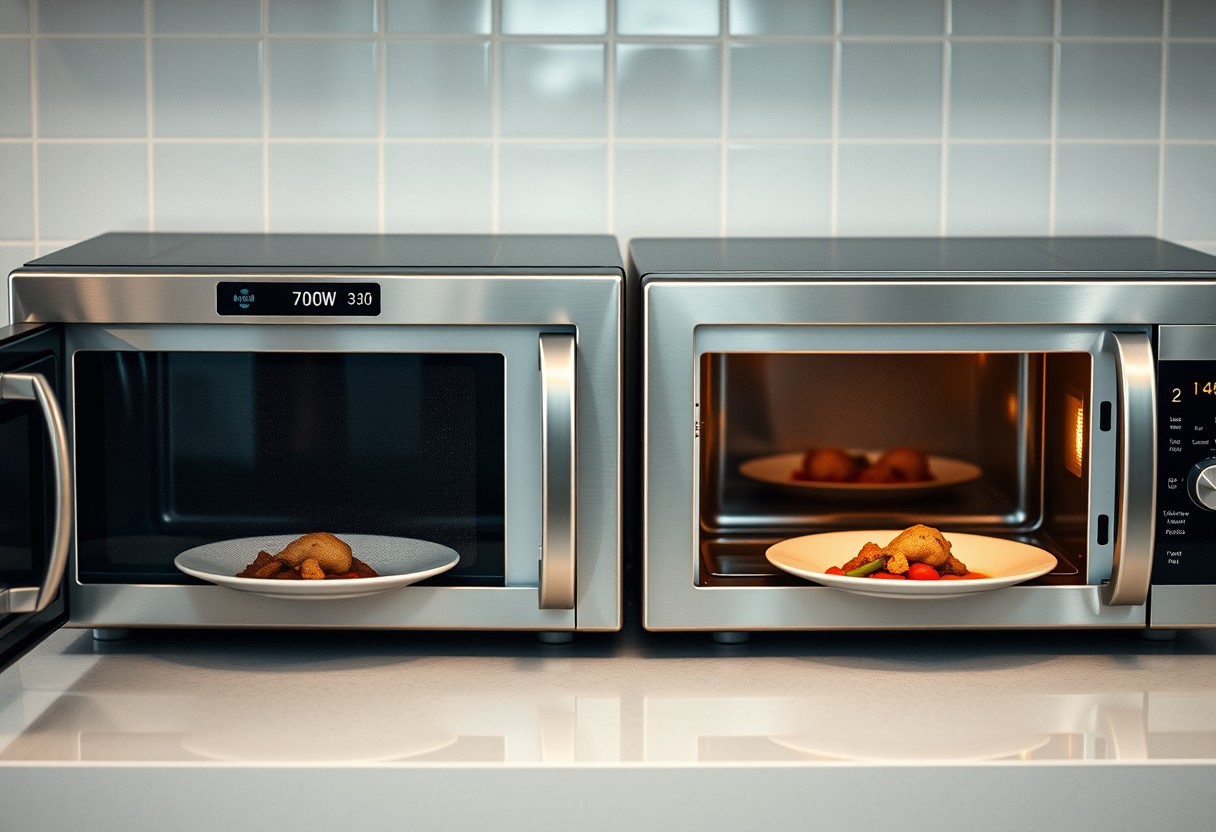
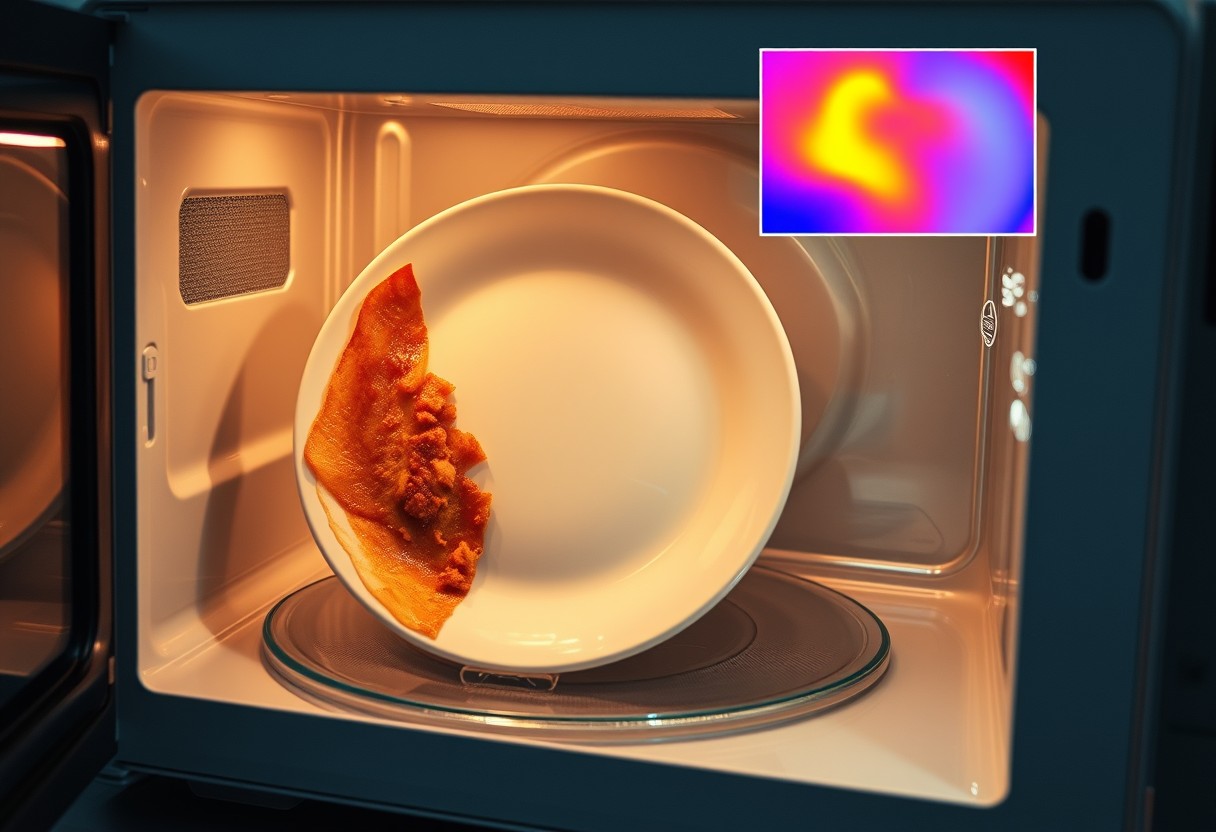
You’ve likely noticed one side of your leftovers scalding hot while the other remains cold-this uneven heating is caused by how microwaves distribute energy inside the cavity. Microwave radiation forms standing waves, creating hot and cold spots, and your food sits directly in this inconsistent field. Ignoring this can lead to undercooked, potentially unsafe meals, … Read more

Microwave Defrosting – Why Some Parts Start Cooking Before Others Thaw

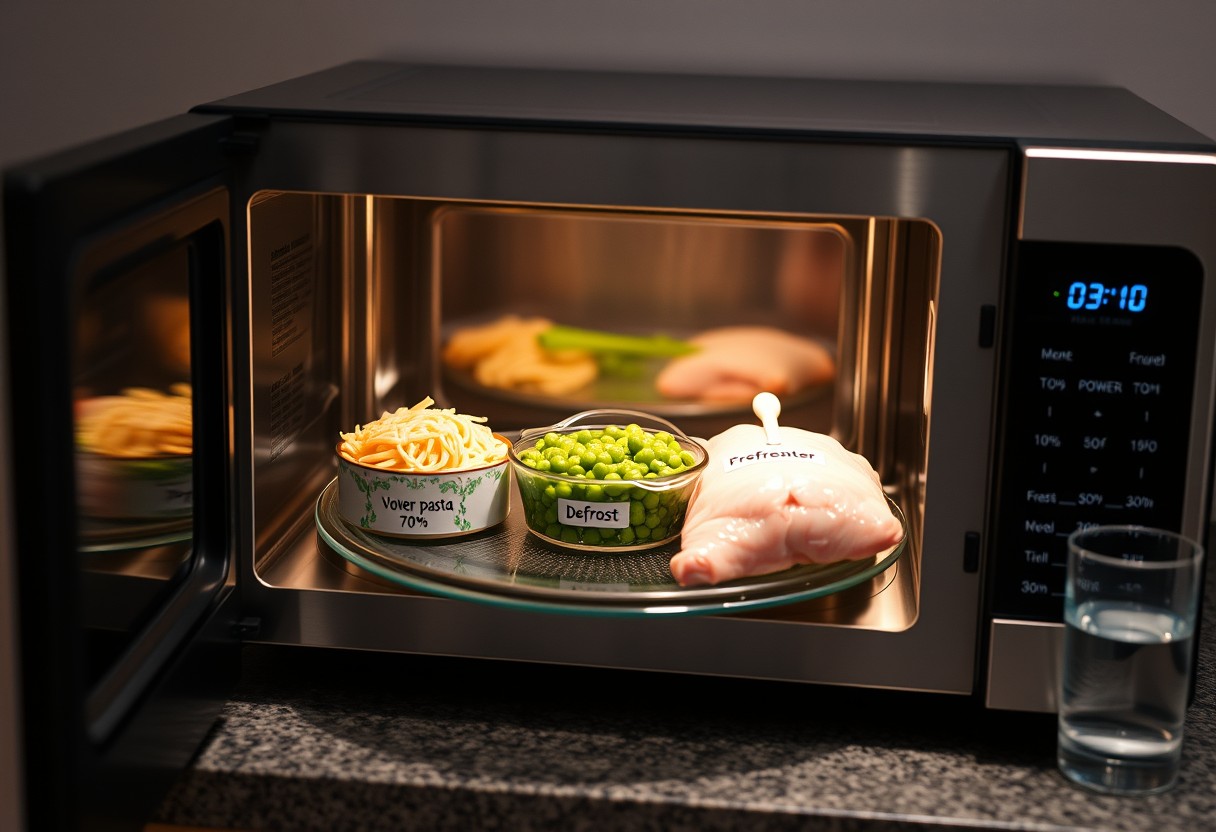
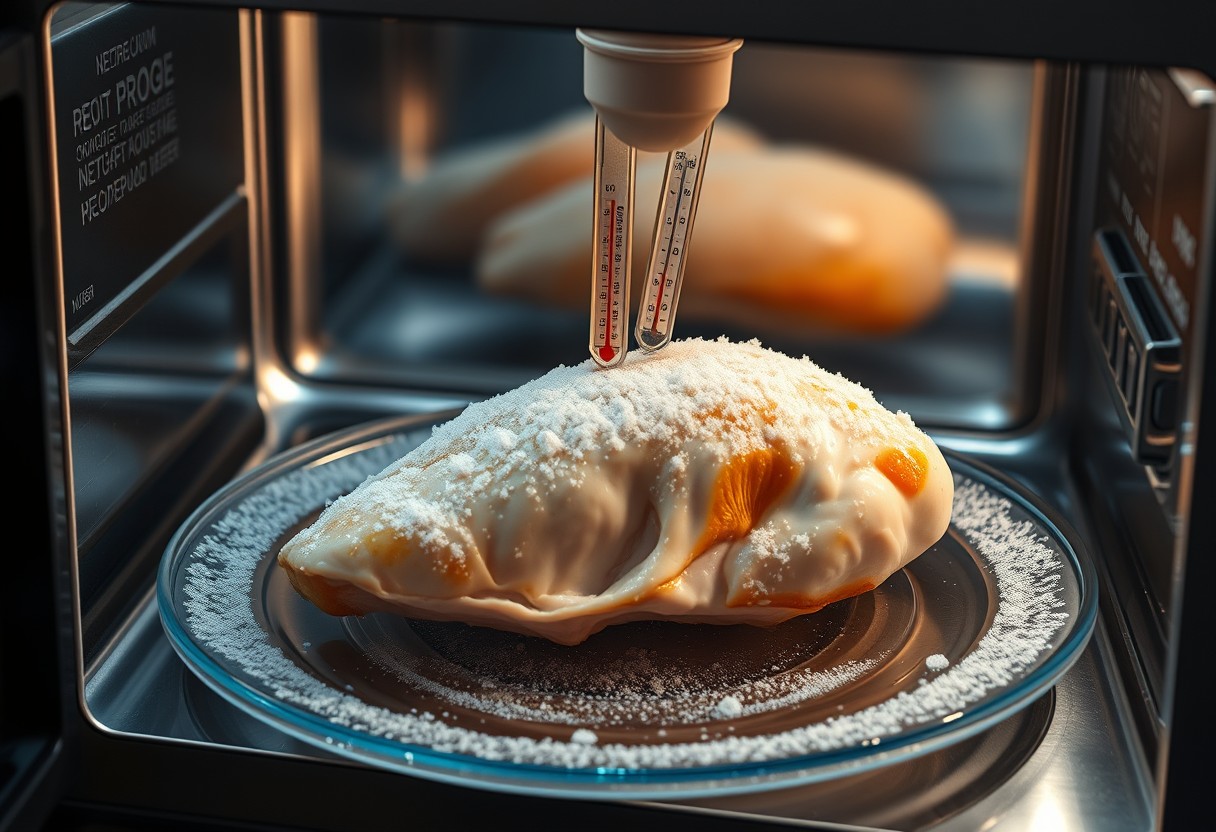
You’ve likely seen it happen: one edge of your chicken breast sizzles while the center remains frozen solid. This uneven thawing occurs because microwaves target water molecules, and frozen water absorbs energy differently than liquid water. As some areas thaw first, they heat rapidly, risking dangerous bacterial growth if left unchecked. Understanding this process helps … Read more