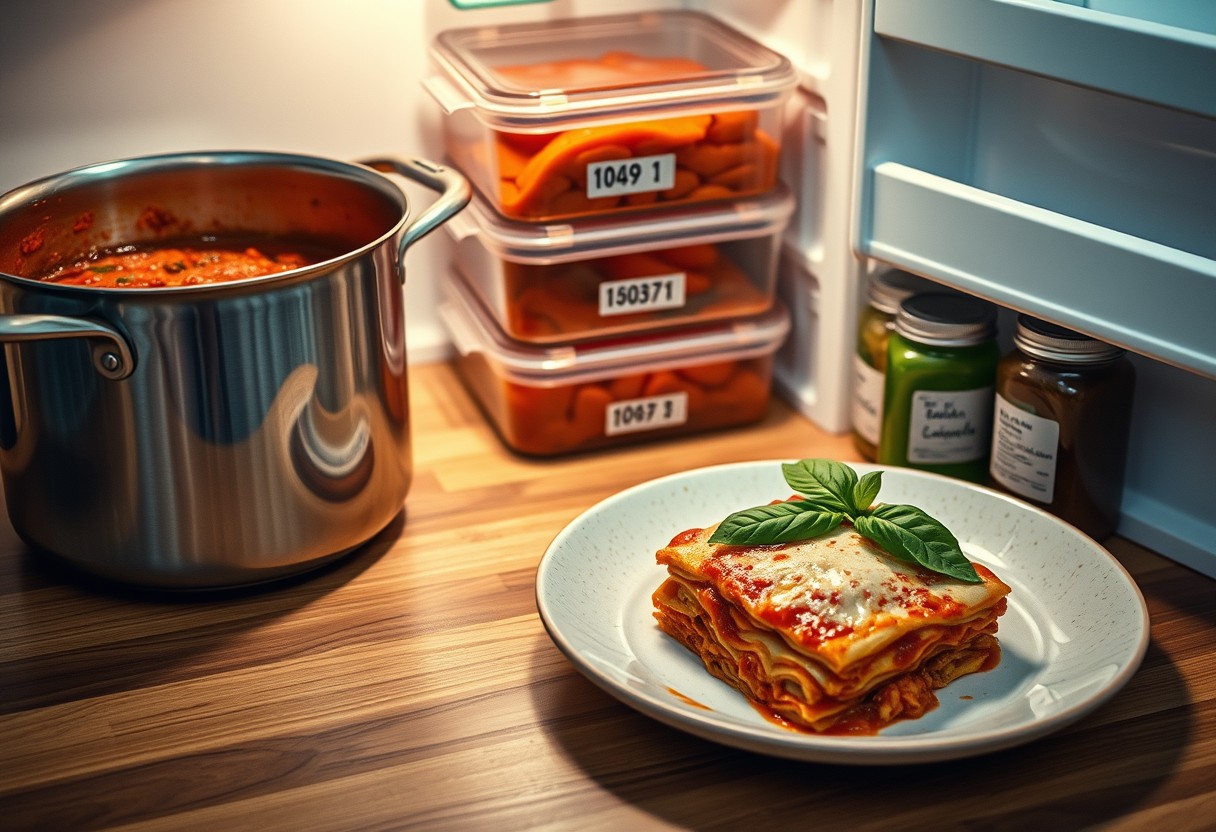

You’ve likely noticed that last night’s stew or curry often tastes richer and more flavorful today than it did fresh. This isn’t just your imagination-chemical processes during storage deepen and blend flavors. With the right techniques, you can intentionally design meals to peak a day later, turning leftovers into an advantage instead of an afterthought.
Key Takeaways:
- Flavor compounds in dishes like stews, curries, and braises continue to meld and deepen during refrigeration, allowing spices and seasonings more time to penetrate ingredients for a more balanced taste.
- Dishes with layered aromatics-such as onions, garlic, and herbs-and those containing fats like olive oil or meat drippings tend to improve overnight by carrying flavor more effectively through the meal.
- Proper cooling and airtight storage within two hours of cooking prevent spoilage and lock in moisture, setting the stage for optimal flavor development without compromising food safety.
The Chemistry Behind Overnight Flavor Transformation
Flavor evolves in leftovers because chemical processes continue long after cooking ends. As dishes cool and rest, residual heat and ambient temperature allow reactions to persist, deepening taste. Proteins slowly break down into amino acids like glutamate, intensifying savory umami notes. Simultaneously, moisture movement within the dish helps distribute these compounds more evenly, making each bite more cohesive. These transformations are not random-controlled molecular changes are responsible for the richer, more balanced flavor you experience the following day.
Analyzing flavor molecule redistribution
After cooking, volatile flavor compounds begin to migrate from areas of high concentration to more neutral zones within the dish. This gradual diffusion ensures that spices, herbs, and natural juices integrate more thoroughly, eliminating sharp contrasts. You’ll notice that harsh onion bites soften and garlic loses its raw edge as sulfur compounds disperse. The result is a more harmonious profile where no single ingredient dominates, and the overall taste feels rounder and more complete after refrigeration.
Understanding the oxidation of fats and aromatics
Oxidation is often seen as a threat to freshness, but in controlled amounts, it enhances complexity. Unsaturated fats in oils, meats, and dairy react gently with oxygen, forming new aromatic compounds that add depth. Thymol in thyme or eugenol in cloves undergo subtle changes, releasing warmer, spicier notes over time. While excessive oxidation leads to rancidity, short-term exposure during refrigeration can elevate a dish’s aroma, giving it a more mature, layered character you wouldn’t achieve on day one.
Selecting Ingredients for Maximum Next-Day Impact
Building a dish that improves overnight starts with ingredient choices that evolve positively during rest. You want components that continue to absorb flavors and release their own complexity over time. Proteins like braised short ribs, lentils, or chickpeas hold up well and deepen in taste, while aromatics such as onions, garlic, and leeks mellow and integrate seamlessly. Delicate vegetables and seafood tend to break down, so avoid relying on them as anchors. Focus instead on elements that thrive when given time to settle into the dish.
Identifying ingredients that resist texture degradation
Some ingredients maintain their integrity better than others after a night in the fridge. Root vegetables like carrots, potatoes, and parsnips stay firm and don’t turn mushy, making them ideal for next-day meals. Beans, lentils, and whole grains such as farro or barley absorb sauce without disintegrating. Avoid zucchini, spinach, or tofu, which can become soggy or grainy. Choosing these resilient components ensures your leftovers don’t sacrifice texture, preserving both mouthfeel and structure when you reopen the container the next day.
Prioritizing robust spices and acidic components
Spices with deep, earthy profiles-like cumin, smoked paprika, turmeric, and cinnamon-develop greater dimension as they sit. Acidic ingredients such as tomatoes, vinegar, or citrus juice balance richness and prevent flavors from flattening over time. These elements don’t just endure; they actively enhance the dish’s complexity by melding with fats and proteins. A well-balanced amount of acid also helps preserve brightness, so your leftovers don’t taste dull or overly heavy when reheated.
How to Cook Dishes Designed for Mature Flavor
Building deeply integrated flavors starts with cooking methods that allow ingredients to meld over time. Slow-cooked stews, braised meats, and simmered sauces give compounds the time they need to break down and recombine into something richer. You’re not just cooking for immediate taste-you’re setting the stage for flavor evolution. The longer these dishes gently cook, the more harmonious their profile becomes, laying a foundation that only deepens overnight.
Mastering the braising and simmering techniques
Braising transforms tough cuts into deeply flavorful meals by combining low heat with moist cooking over several hours. You submerge or partially cover ingredients in liquid, allowing collagen to dissolve into gelatin, which adds body and richness. This slow breakdown enhances mouthfeel and helps the dish hold up after refrigeration. Simmering sauces like ragù or curry at a gentle pace prevents scorching while encouraging spices and base ingredients to fully integrate, creating a complexity that intensifies the next day.
Balancing seasoning for long-term stability
Salt and spices behave differently after a night in the fridge, often becoming more pronounced. You must under-season slightly during initial cooking, knowing flavors will concentrate over time. Over-salting upfront can ruin a dish by the second day, turning a balanced meal into an overwhelming one. Acidic components like tomatoes or vinegar also mellow, so adjust with restraint. Building layers with measured seasoning ensures the final taste remains harmonious, not harsh, when enjoyed later.
Storage Protocols to Prevent Flavor Degradation
To preserve the quality of your leftovers and support flavor development without spoilage, use airtight containers and prioritize rapid cooling. Oxygen and lingering warmth are the primary causes of flavor degradation and bacterial growth. By sealing food properly and reducing its temperature quickly, you maintain both safety and taste integrity. As explained in The Science of Leftovers: Why Don’t They Taste As Good?, improper storage can undo the subtle chemical improvements that occur overnight.
Tips for selecting the right airtight vessels
- Choose containers with locking lids to ensure a true seal and prevent air exposure
- Opt for glass or BPA-free plastic that won’t absorb odors or leach chemicals
- Match container size to portion-minimize headspace to reduce oxygen inside
- Look for stackable designs that support efficient, organized fridge storage
Managing cooling times to ensure food safety
Leaving food at room temperature for more than two hours invites bacterial growth that compromises both safety and flavor. Transfer leftovers to the refrigerator within 90 minutes of cooking to halt spoilage. For large portions like stews or braises, divide them into shallow containers to accelerate cooling. This rapid drop in temperature preserves the dish’s integrity, ensuring that the flavors mature cleanly rather than degrade.
Reheating Strategies to Revive Mature Flavors
Heat applied with care preserves the depth developed during refrigeration while restoring palatability. You must avoid aggressive reheating, which can dry proteins and break down delicate textures. Instead, use gentle methods that reintroduce moisture and heat food evenly. A successful revival hinges on understanding how different components respond to temperature. The final words confirm that patience and precision in reheating are just as important as the initial cooking process.
How to add moisture back into starches and proteins
Starches like rice or pasta harden when chilled due to retrogradation, but a splash of broth or water before reheating reverses this effect. Place leftovers in a covered dish with a few tablespoons of liquid to create steam, which softens texture without sogginess. For proteins, especially roasted or grilled meats, drizzling with pan juices or olive oil before warming helps retain tenderness. Never rely on dry heat alone-this leads to toughness and flavor loss.
Using the low-temperature reheating rule for consistency
High heat destroys subtle flavor layers built overnight, so always reheat slowly. An oven set to 300°F (150°C) gently warms casseroles and braises without scorching edges. For stovetop dishes, use a low simmer rather than a boil to preserve balance. Microwaves can work if you stir frequently and pause often to redistribute heat. This method ensures even warming and prevents hot spots that degrade texture and taste.
| Component | Best Reheating Practice |
|---|---|
| Starchy dishes (rice, potatoes, pasta) | Add 1-2 tbsp liquid, cover, and steam gently |
| Proteins (meat, poultry, tofu) | Reheat slowly with oil or broth to prevent drying |
| Sauces and braises | Warm over low heat, stirring occasionally |
| Crusty or crispy foods | Use oven or toaster oven to restore crispness |
Summing up
You’ve learned that time can deepen flavor, not just diminish it. When proteins break down and spices fully infuse, dishes like stews, curries, and braises often improve overnight. Choosing the right ingredients, cooking them with layering in mind, and storing them properly ensures your leftovers gain complexity. Reheating with care preserves those developed flavors. By planning for next-day taste from the start, you turn routine meals into more satisfying experiences without extra effort.
FAQ
Q: Why do some dishes taste better the day after they’re cooked?
A: Flavor improvement overnight happens because ingredients continue to interact after cooking. Molecules from spices, herbs, and aromatics slowly diffuse into the rest of the dish, creating a more balanced taste. Proteins and starches absorb seasoned liquids, while harsh raw notes from onions or garlic mellow. This passive integration leads to deeper, more cohesive flavors that aren’t always achievable right after cooking.
Q: Are certain types of food more likely to improve overnight?
A: Stews, curries, braises, and tomato-based sauces consistently benefit from resting. Dishes with tough cuts of meat, like beef chuck or pork shoulder, become more tender as collagen breaks down further during refrigeration. Lentil soups and bean-heavy meals also develop richer taste as legumes absorb surrounding flavors. Delicate seafood or crisp salads, on the other hand, rarely improve and often degrade in texture.
Q: Can I speed up the flavor-maturing process without waiting a full day?
A: Simmering a dish longer during initial cooking can mimic some of the depth gained overnight, but it won’t fully replace the resting phase. Extended cooking helps blend flavors and soften ingredients, yet the cooling and reheating cycle contributes unique textural and chemical changes. A mid-sized SaaS firm might optimize workflows, but flavor development isn’t something you can rush with a shortcut. The slow melding in the fridge has no true substitute.
Q: Does how I store leftovers affect their flavor evolution?
A: Yes. Store food in shallow, airtight containers to ensure rapid and even cooling, which preserves flavor integrity and prevents bacterial growth. Glass containers are ideal because they don’t absorb odors or leach chemicals. Leaving a stew uncovered in the fridge can cause surface drying and off-flavors from air exposure. Transfer leftovers within two hours of cooking to avoid prolonged time in the temperature danger zone.
Q: What’s the best way to reheat leftovers to maintain enhanced flavor?
A: Gentle, even reheating works best. Stovetop reheating on low heat with a splash of water or broth helps revive sauces and prevents scorching. Microwaving can create hot spots and rubbery textures unless done at reduced power with frequent stirring. Casseroles and baked dishes regain their appeal when warmed in the oven, covered with foil. The goal is to heat through without driving off volatile flavor compounds or overcooking delicate components.