You’ve likely bitten into reheated leftovers only to find a scalding center next to a cold edge. This uneven heating isn’t just annoying-it can be a food safety risk, since cold spots may harbor harmful bacteria. The good news: with the right techniques, you can achieve even, safe, and appetizing results every time. This guide shows you exactly how to reheat food properly using tools you already have.
Key Takeaways:
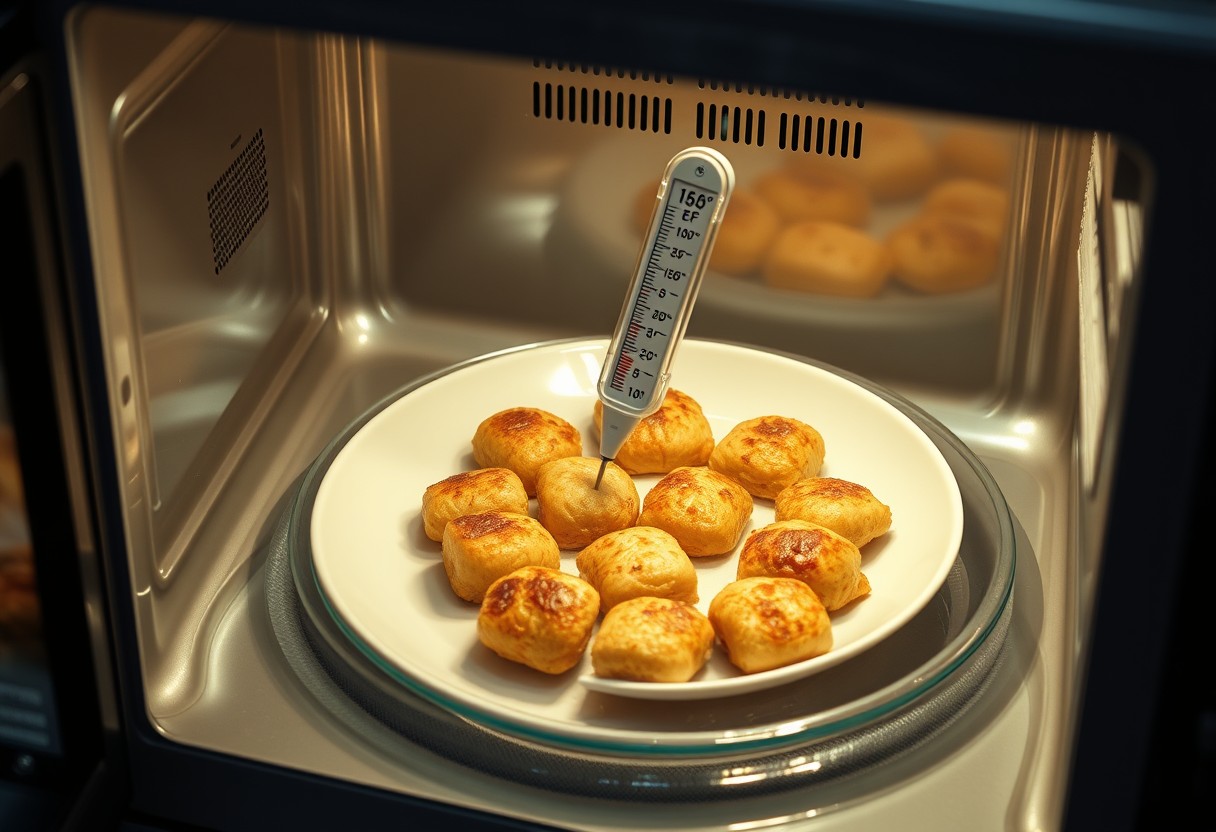
- Arrange food in a ring shape on the plate, leaving the center empty, to promote even heat circulation, especially in microwaves where the center often receives less direct energy.
- Stir or rotate dishes halfway through reheating to redistribute heat, addressing dead zones that commonly create cold spots in dense or liquid-based foods.
- Use lower power settings for longer durations, allowing heat to penetrate gradually without overcooking outer edges while leaving interiors cold.
Identifying Key Factors in Heat Distribution
How your food reheats depends largely on its internal structure, not just the appliance you use. Moisture content and ingredient density determine how evenly thermal energy spreads through each bite. Dense items like potatoes or meatballs absorb heat more slowly than watery vegetables, leading to imbalanced temperatures if not managed. Foods with uneven composition often develop dangerous cold spots where bacteria can survive. Recognizing these variables allows you to adjust your method before heating begins, ensuring safer and more consistent results across different dishes.
- Moisture content affects how quickly microwaves penetrate food
- Dense ingredients require longer, slower heating to avoid outer overheating
- Layered dishes often have varying moisture and density levels that disrupt even warming
- Water-rich foods heat faster due to high dielectric properties
- Thermal conductivity varies significantly between proteins, starches, and vegetables
The Impact of Food Density and Volume
Denser portions like thick stew chunks or tightly packed casseroles resist heat penetration more than lighter sections. Your microwave’s energy reaches outer layers first, often overcooking them while centers remain cool. Large volumes increase this disparity because heat takes longer to migrate inward. Stirring or rotating helps, but the root issue lies in how mass and compactness slow thermal transfer. Thicker foods demand lower power settings over extended periods to allow gradual, internal warmth without surface scorching.
How Water Molecules Influence Thermal Conductivity
Water molecules respond rapidly to microwave radiation, making high-moisture foods heat faster than dry ones. As these molecules vibrate, they generate internal friction and spread heat through conduction. Items like soups or steamed vegetables warm evenly due to this uniform molecular activity, while drier foods like bread or roasted meats lack sufficient water to distribute energy effectively. This uneven response can create steam pockets that cause splattering or texture damage if not monitored closely during reheating.
Mastering Microwave Techniques for Even Warmth
Strategic Food Placement and the Ring Method
Arrange your food in a circular pattern, leaving the center empty, to promote uniform heating. The microwave’s energy tends to concentrate in the middle, so placing denser portions toward the outer edge ensures they receive more exposure. This ring method prevents cold spots in thick ingredients while avoiding overcooked edges. Cover the dish to trap steam, which boosts heat transfer and maintains moisture, especially in leftovers like rice or pasta.
Adjusting Power Levels and Utilizing Intervals
Lowering the microwave’s power setting gives heat time to distribute through the food without scorching the surface. Use 50-70% power for most leftovers, allowing deeper penetration before the outer layers overheat. Heat in short bursts-30 to 60 seconds-then stir or rotate the dish between intervals. This pause lets temperature equalize, reducing the risk of burnt edges and icy centers, particularly in saucy or layered dishes.
Utilizing Conventional Oven and Stovetop Methods
A conventional oven or stovetop often provides more consistent results than rapid heating methods because indirect heat transfer through air or steam allows food to warm evenly from all sides. When using an oven, the surrounding hot air gradually raises the internal temperature without scorching the exterior. On the stove, a covered pan traps natural moisture, creating a microclimate of gentle steam that prevents dry spots. These approaches minimize drastic temperature differences, ensuring your dish reheats uniformly without overcooking delicate ingredients.
Low and Slow Oven Reheating Tips
Set your oven to a moderate temperature between 275°F and 325°F to safely and evenly reheat leftovers without drying them out. Place food in an oven-safe dish and cover it with foil to retain moisture and promote uniform warmth. Rotate the dish halfway through for balanced exposure, especially important in ovens with hot spots. Dense items like casseroles benefit most from this method, as the gradual heat penetration ensures the center reaches serving temperature without the edges burning.
- Use foil coverage to trap moisture and prevent surface drying
- Rotate dishes midway for even heat distribution
- Reheat dense foods like lasagna at 300°F for 20-30 minutes
- Check internal temperature with a thermometer to confirm safe reheating
The Benefits of Steam and Covered Pans
Covering food on the stovetop transforms the cooking surface into a mini steamer, where trapped moisture circulates as gentle, even heat. This method is ideal for reheating stir-fries, braises, or roasted vegetables, preventing crisp exteriors from turning rubbery or burnt. A splash of water or broth under the lid generates steam, actively closing the gap between cold centers and overheated edges. Because steam transfers heat more uniformly than direct contact, your meal regains its original texture and warmth without sacrifice.
Modern Appliance Tips for Precision Reheating
Air fryers and sous vide machines give you unmatched control when reheating, preserving the original texture of your food with consistent, targeted heat. Unlike conventional methods that risk drying or uneven warming, these appliances maintain moisture while enhancing crispness or tenderness where needed. You can precisely adjust temperature and time to match the food’s structure, minimizing texture loss. For best outcomes, always consider the thickness and composition of the dish before starting. Results are noticeably superior when settings align with the food’s unique properties.
Air Fryer Settings for Crispy Results
Set your air fryer between 325°F and 375°F to revive crispy foods without overcooking the interior. You achieve a golden, crunchy exterior on items like fried chicken, pizza, or roasted vegetables by preheating the basket and using a light oil spray. Place food in a single layer with space between pieces to allow air circulation-overcrowding creates steam and leads to soggy results. Reheat for 3 to 5 minutes, flipping halfway, to ensure even exposure. This method restores crispness while preserving internal moisture, making it ideal for texture-sensitive leftovers.
Using Sous Vide for Professional Consistency
When reheating delicate proteins or braised dishes, the sous vide method ensures even, precise warming from edge to center without overcooking. You seal food in a vacuum bag or leak-proof pouch and submerge it in a water bath set to the desired final temperature-typically between 130°F and 160°F, depending on the item. This low-temperature approach prevents moisture loss and maintains the original texture, especially in steaks, salmon, or custards. Because heat distributes uniformly, there are no cold spots or dried-out edges, delivering restaurant-quality results every time.
Tailoring How-To Methods to Specific Food Types
Different foods respond uniquely to reheating, and adjusting your method protects both texture and flavor. Adding a splash of liquid or using damp covers prevents dishes from drying out while promoting even heat absorption. For crispy items, a dry heat source like an oven preserves crunch, while moist foods benefit from steam retention. Covering with a lid or microwave-safe wrap traps natural moisture, especially in casseroles and stews. Always consider the food’s composition-proteins, grains, vegetables, and sauces each demand tailored approaches for optimal results.
| Food Type | Recommended Method |
| Chicken breast | Reheat in oven at low heat with broth and foil cover |
| Rice or quinoa | Steam with a few drops of water in microwave |
| Pasta dishes | Add sauce or water, warm gently on stovetop |
| Casseroles | Use oven with lid until center reaches safe warmth |
- Always add moisture when reheating dry grains or proteins to prevent toughness
- Use loosely tented foil or a microwave-safe lid to trap steam without sogginess
- Cover delicate fish with a damp paper towel to avoid overcooking edges
- Stir halfway through reheating dense dishes like risotto or mashed potatoes
- Avoid high power settings for dairy-heavy dishes to prevent separation
Reheating Proteins Without Drying Out
Proteins like chicken, beef, and fish easily become tough or rubbery if reheated improperly. Start by slicing larger cuts evenly so heat penetrates uniformly. Place the meat in an oven-safe dish and add a small amount of broth or water to create gentle steam. Cover tightly with foil to seal in moisture and use low, steady heat-this prevents the outer layers from overcooking while the center warms. For shredded meats, mixing in extra sauce before warming restores juiciness and enhances flavor.
Reviving Grains and Pasta with Hydration
Grains and pasta tend to absorb surrounding moisture during refrigeration, leaving them stiff and chewy when cold. To restore their original texture, introduce a small amount of liquid before reheating. Sprinkle several drops of water over rice or quinoa and cover with a damp paper towel in the microwave. For pasta, toss it with a bit of olive oil and sauce, then warm slowly on the stovetop to prevent sticking. This hydration step ensures each grain or strand heats evenly without turning gummy or dry.
Safety Protocols and Temperature Verification
Reaching the correct internal temperature isn’t just about comfort-it’s a non-negotiable safety standard that ensures harmful bacteria like salmonella or listeria are eliminated. Even if food appears steaming hot on the surface, cold spots can harbor pathogens if the core hasn’t reached a safe threshold. Always verify with a reliable method; visual cues alone aren’t enough. For more guidance on handling leftovers confidently, check out Love Your Leftovers – SavoryOnline.
| Food Type | Safe Internal Temperature |
|---|---|
| Poultry | 165°F (74°C) |
| Seafood & Fish | 145°F (63°C) |
| Leftover Casseroles | 165°F (74°C) |
| Cooked Meat (beef, pork) | 160°F (71°C) |
The Importance of Post-Heat Rest Time
Letting food sit for a few minutes after reheating allows heat to distribute evenly through conduction, eliminating lingering cold zones. During this rest period, the internal temperature often continues rising slightly-a process known as carryover cooking-which can make the difference between a safe meal and a risky one. Skipping this step may leave dense areas underheated, especially in thick dishes like lasagna or roasted meats. Patience here directly impacts both safety and eating quality.
Using Digital Thermometers for Accuracy
A digital instant-read thermometer gives you real-time, precise feedback on your food’s internal state. Insert the probe into the thickest part of the dish, avoiding bones or pan surfaces, to get an accurate reading. Analog thermometers can lag or misread by several degrees, putting you at risk of underheating. With a digital tool, you confirm without guessing that your food has reached the required safety threshold, ensuring every bite is protected from contamination.
Conclusion
You now have the practical tools to reheat food evenly and avoid frustrating hot and cold spots. By applying consistent techniques-stirring, rotating, using lower power settings, and choosing the right method for each food type-you maintain both texture and safety. Covering food properly traps steam, promoting uniform warmth, while checking internal temperature ensures it reaches a safe level throughout. Your attention to detail in reheating transforms leftovers into meals that taste as intended, preserving quality without compromise.
FAQ
Q: Why does my food have hot and cold spots when I reheat it?
A: Microwaves emit energy in uneven patterns, often concentrating heat along certain paths while leaving other areas untouched. This creates zones where food overheats while adjacent sections remain cold. The density and shape of the food also affect how evenly it absorbs heat. Stirring or rotating the dish during reheating helps distribute warmth more uniformly.
Q: How can I reheat leftovers in the microwave without burning some parts and leaving others cold?
A: Arrange food in a circular pattern on the plate, leaving the center open to promote even exposure to microwave energy. Cover the dish with a damp paper towel or microwave-safe lid to trap steam, which aids consistent warming. Pause halfway through heating to stir or flip larger pieces, ensuring all surfaces receive equal attention.
Q: Is there a way to reheat dense foods like casseroles or lasagna evenly?
A: Dense dishes benefit from lower power settings and longer cooking times. Use 50-70% power for an extra minute or two, allowing heat to penetrate slowly through thick layers. Letting the casserole sit covered for a few minutes after reheating lets residual heat spread into cooler regions, smoothing out temperature differences.
Q: Can using an oven help avoid uneven reheating compared to a microwave?
A: Ovens provide ambient, surrounding heat that warms food more gradually than microwaves. Place leftovers in an oven-safe container, cover with foil to retain moisture, and warm at 325°F until heated through. Rotating the pan once during the process improves consistency, especially for larger portions.
Q: What role does stirring play in eliminating cold spots when reheating soups or stews?
A: Stirring redistributes heat by moving liquid from the outer edges-where it heats faster-toward the center. For stovetop reheating, stir every 30 seconds over medium-low heat. In the microwave, pause and stir at least once to break up pockets of intense heat and blend them with cooler zones.