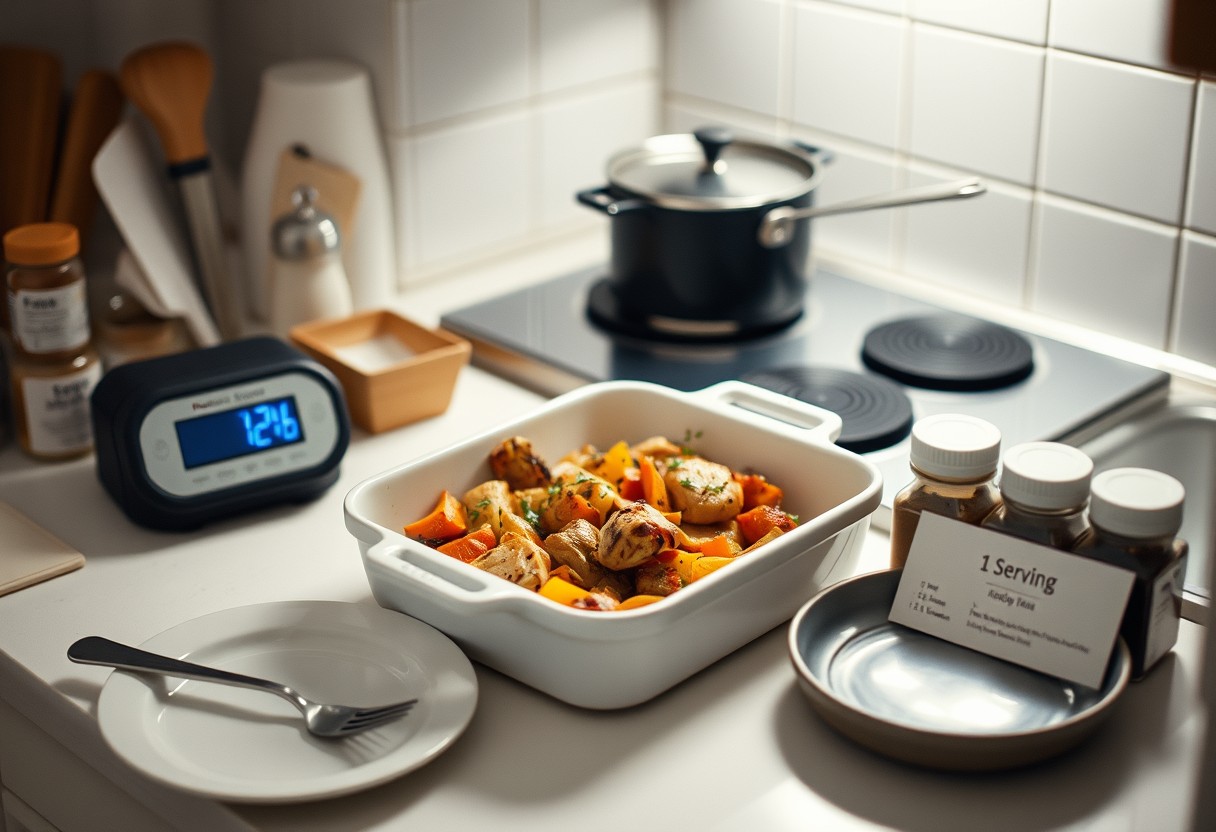
You want a home-cooked meal but dread eating the same dish for days. Overcooking is the most common mistake when preparing food for one, leading to wasted ingredients and lost motivation. With the right approach, you can enjoy fresh, varied meals without excess. Portion control and smart planning are your strongest tools for staying consistent and satisfied.
Key Takeaways:
- Cook with flexibility by preparing base ingredients like grains, proteins, and roasted vegetables in small batches that can be mixed into different meals throughout the week, reducing repetition and waste.
- Scale down recipes by using measuring tools accurately and adjusting cookware size-opt for a single-serving skillet or ramekin to prevent overcooking and uneven results.
- Embrace ingredient upcycling: turn extra cooked rice into fried rice, blend surplus greens into smoothies, or repurpose roasted vegetables into frittatas to keep meals fresh without buying new items daily.
Critical Planning Factors for Single-Serving Success
Building meals around modular components gives you the flexibility to mix and match flavors and nutrients without repeating full dishes. Design your week with a base-like quinoa, roasted vegetables, or grilled chicken-that can shift roles across meals. One night it’s a grain bowl, the next it becomes part of a stir-fry. This approach supports consistent variety while minimizing excess, making solo cooking feel less repetitive and more intuitive. Use simple flavor boosters like citrus, herbs, or spices to transform familiar ingredients.
- Modular meal designs prevent boredom and reduce surplus
- Nutritional balance is easier when components are interchangeable
- Base ingredients should be versatile and store well
- Flavor variety comes from sauces and seasonings, not extra portions
Assessing daily nutritional requirements for one
Your body needs a consistent supply of protein, fiber, healthy fats, and micronutrients-even when you’re eating alone. Skipping variety can lead to nutrient gaps that affect energy and focus. Plan each day with at least one serving of vegetables, a lean protein source, and a complex carbohydrate. Track your intake loosely for a few days to spot patterns, like over-relying on processed snacks or missing iron-rich foods. Adjust by adding one nutrient-dense item per meal, such as spinach in an omelet or lentils in a salad.
Identifying multi-use base ingredients to reduce waste
Smart cooks rely on ingredients that serve multiple roles throughout the week. A block of tofu can go from a breakfast scramble to a blended dressing or a dinner stir-fry. Cooked quinoa works in bowls, soups, and even veggie burgers. Roast a small tray of mixed vegetables and reuse them in frittatas, wraps, or grain salads. These base items save time and lower the risk of spoilage. Choosing them cuts down both effort and food cost, letting you build meals without bulk.
Strategic Grocery Shopping Tips for One
Shopping for one means avoiding excess before it even enters your kitchen. Purchasing from bulk bins and deli counters allows you to buy only the amount you need, reducing waste and saving money over time. Instead of committing to large, pre-packaged quantities, scoop exactly how much rice, pasta, or spices you’ll use. Deli counters let you request small cuts of meat or cheese, ideal for single meals. For more ideas on stretching ingredients wisely, check out Maximizing Leftovers: How to Make the Most of Your Meals.
- Bulk bins let you buy exact quantities of dry goods, minimizing spoilage
- Deli counters offer custom-sized portions of proteins and cheeses
- Avoid multi-packs and family-sized items unless they freeze well
- Bring small containers to measure portions at the store
- Freshness lasts longer when you’re not forced to use large amounts quickly
Utilizing the bulk section for dry goods and spices
You can precisely match your needs when you source dry goods and spices from the bulk section. Rather than buying full boxes or bottles that may sit unused for months, take just a tablespoon of cumin or half a cup of quinoa. This reduces both cost and clutter in your pantry while ensuring ingredients remain fresh. Spices lose potency over time, so purchasing only what you’ll use keeps flavors vibrant. Small cloth bags or reusable jars make ideal containers for transport.
Selecting individual produce items over pre-packaged bags
Choosing loose vegetables and fruits prevents unnecessary surplus. Pre-cut trays and multi-packs often include more than a single person can consume before spoilage sets in. By selecting one bell pepper, two mushrooms, or a single zucchini, you maintain full control over portion size and freshness. This approach drastically cuts food waste and supports flexible meal planning. Look for stores that allow self-weighing to pay only for the exact weight you take.
How-to Scale Recipes and Portion Correctly
Accurate measurements are your best defense against oversized meals when cooking for one. Relying on guesswork often leads to excess, but using measuring cups, spoons, and a kitchen scale ensures you prepare only what you’ll eat. Opt for smaller pots, pans, and baking dishes that match single-serving volumes-this discourages doubling recipes by default. Even a slight overestimate in dry ingredients like rice or pasta can result in substantial leftovers, so precision matters most when scaling down. Stick to the numbers, not the habit.
Mathematical formulas for reducing family-sized meals
Divide each ingredient by the number of servings the original recipe yields to adapt it for one. For example, if a dish serves four, multiply every quantity by 0.25. Pay close attention to spices and seasonings-they don’t always scale linearly and can become overpowering or too weak. Liquids like broth or milk are especially prone to miscalculation, so use measuring tools with milliliter markings for accuracy. When halving or quartering eggs, whisk and measure out one-quarter of the volume instead of guessing.
Investing in small-scale kitchen equipment for solo cooking
A two-quart saucepan, six-inch skillet, or mini sheet pan make portion control effortless by physically limiting capacity. These tools discourage overfilling and reduce cooking time, which helps preserve texture and flavor. Using oversized cookware for small portions often leads to burning or uneven heating, undermining your effort. A compact rice cooker or single-serve slow cooker also supports accurate preparation without excess. Equip your kitchen to match your needs, not a crowd’s.
Tips for Creative Ingredient Upcycling
Transforming a single ingredient into multiple meals keeps your cooking exciting and minimizes waste. Roast one chicken breast and use it in a taco bowl with lime and cilantro, then repurpose leftovers into a creamy pasta with Parmesan and peas. A single sweet potato can become a spicy curry topping or a base for a grain-free breakfast hash. The key is flavor layering-swap sauces, spices, and cooking methods to create entirely new dishes. Even a simple sautéed zucchini gains new life as part of a Mediterranean salad or blended into a warm herb soup.
- Use one protein across different global flavor profiles
- Change the cooking method-grill, roast, steam, or shred
- Swap sauces and seasonings to redefine the dish
- Pair with regional ingredients like soy, harissa, or chipotle
- Repurpose cooked vegetables into new meal formats
Repurposing base proteins for different cuisines
You can stretch a grilled salmon fillet into three unique meals without repetition. Flake it over a miso-glazed rice bowl with pickled ginger for dinner, then fold cold pieces into a lemon-dill yogurt wrap the next day. By night three, mix it with breadcrumbs and herbs to form a quick fish cake. The real advantage lies in cultural flavor shifts-a single cut adapts seamlessly from Asian to Mediterranean to Latin styles when you change accompanying ingredients and seasonings.
Extending the life of fresh herbs and aromatics
Herbs like cilantro, basil, or parsley often go bad before you use them fully. Store tender stems in a glass of water with a loose bag overhead-this method can keep them fresh for over a week. Chop and freeze extras in olive oil using ice cube trays for instant flavor boosts. When garlic starts sprouting, slice and roast it instead of discarding. Using every bit prevents waste and ensures maximum flavor impact from small quantities.
How-to Manage Leftovers with Smart Storage
Freezing is one of your most effective tools for keeping meals fresh and waste-free over time. When you cook, think ahead about how long each component will last in the fridge and which parts can survive longer in the freezer. Sauces, soups, and cooked grains typically freeze well and retain texture and flavor for up to three months. The biggest risk comes from improper packaging-air exposure leads to freezer burn and off-flavors. Always use airtight containers or heavy-duty freezer bags, pressing out excess air before sealing.
Flash-freezing individual portions for future use
Start by spreading small, prepared portions like meatballs, dumplings, or chopped stir-fry ingredients on a parchment-lined tray. Freeze them uncovered for one to two hours until solid, so they don’t clump together later. Once firm, transfer the pieces into labeled freezer bags. This method ensures you can pull out just what you need without thawing an entire batch. The key benefit is portion control and flexibility-no more defrosting four servings when you only want one.
Labeling and rotation systems for the freezer and pantry
Every item you store should carry a label with the contents and date using masking tape or a marker directly on the container. Without clear identification, meals become mystery boxes that often get tossed. Adopt a “first in, first out” mindset: place newer items behind older ones to use up what’s been stored longest. The most common mistake is forgetting what’s inside the freezer until it’s too late-consistent labeling prevents this and keeps your system reliable and efficient.
Conclusion
You can enjoy home-cooked meals for one without waste by planning intentionally and cooking smart. Focus on recipes that serve exactly one or freeze well in single portions. Use versatile ingredients that work across multiple dishes to avoid spoilage. Invest in proper storage containers and label everything clearly. When you cook, think ahead-leftovers become tomorrow’s lunch or a base for another meal. With practice, you’ll find balance between variety and practicality, making solo cooking both satisfying and efficient.
FAQ
Q: How can I adjust recipes designed for four or more people to serve just one?
A: Start by reading the full recipe and identifying core components that can be halved or quartered easily. Use measuring tools like teaspoons, tablespoons, and kitchen scales for accuracy. Dry ingredients like rice, pasta, and beans scale down reliably. For wet ingredients, save partial amounts in sealed containers for future use. Some dishes, like soups or casseroles, freeze well in single portions, so cooking slightly more with the intent to freeze is smarter than undercooking and risking uneven results.
Q: What are the best foods to buy when cooking for one to avoid waste?
A: Focus on perishables with shorter prep needs and longer shelf lives. Cherry tomatoes, baby spinach, bell peppers, and carrots last longer than pre-cut or wilt-prone greens. Choose proteins like eggs, canned tuna, or small packs of chicken breasts you can cook immediately. Frozen vegetables are just as nutritious and eliminate the pressure to use them before spoilage. Buying whole produce instead of pre-portioned saves money and reduces excess packaging that often leads to waste.
Q: Can I still cook flavorful meals without preparing large batches?
A: Yes, flavor doesn’t depend on quantity. Use aromatic herbs, garlic, citrus zest, and spices to build depth in small dishes. A single serving of stir-fry gains richness from a dash of soy sauce, a splash of rice vinegar, and a pinch of red pepper flakes. Roasting a half sweet potato or a few broccoli florets intensifies their taste. Fresh herbs like cilantro or parsley added at the end brighten small plates without requiring bulk cooking.
Q: What should I do with leftover ingredients like half an onion or unused tomato?
A: Store partial vegetables in airtight containers in the fridge and label them with the date. Use chopped onion within 3-4 days in omelets, grain bowls, or sauces. Freeze tomato pieces for future use in soups or stews. Consider building a “leftover ingredient meal” once a week-toss extra bits into a frittata, wrap, or pasta with oil and Parmesan. Planning one flexible recipe weekly reduces pressure to finish everything immediately.
Q: Is it worth using the oven for just one person?
A: It depends on the meal and timing. Roasting a small portion of vegetables or a single chicken thigh works if you plan to use leftovers in another dish the next day. To maximize effort, roast multiple items at once-such as a half sweet potato, two Brussels sprouts, and a small piece of fish-using separate trays or sections. Smaller appliances like toaster ovens or air fryers use less energy and heat up faster, making single servings more efficient without sacrificing texture or taste.