How to Use a Microwave for Small Portions Without Overcooking Them
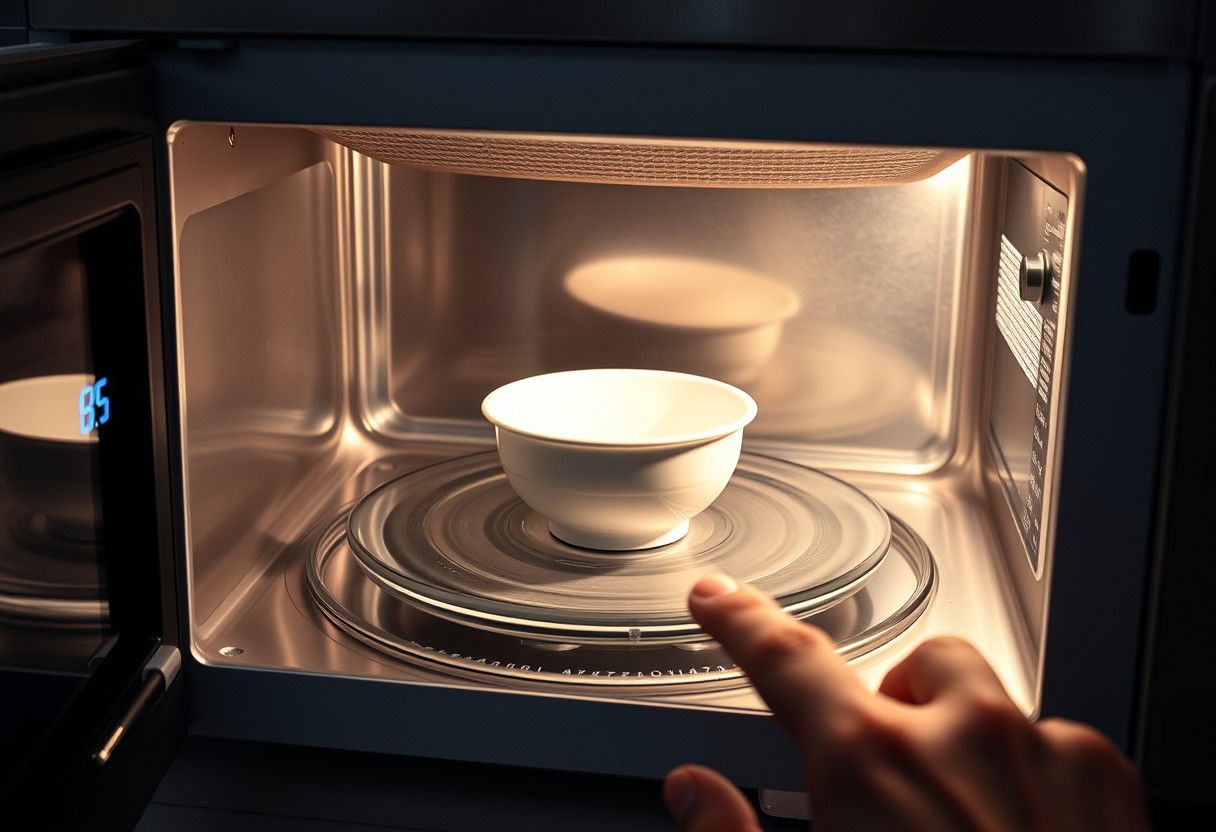
You can reheat or cook small portions in your microwave without turning them into dry, rubbery leftovers. The key is using lower power settings and shorter intervals, not blasting food on full power. This prevents dangerous hot spots and uneven cooking. With the right technique, you’ll get consistently hot, moist results every time. Key Takeaways: … Read more
What Happens When You Microwave Food in a Container With No Vent

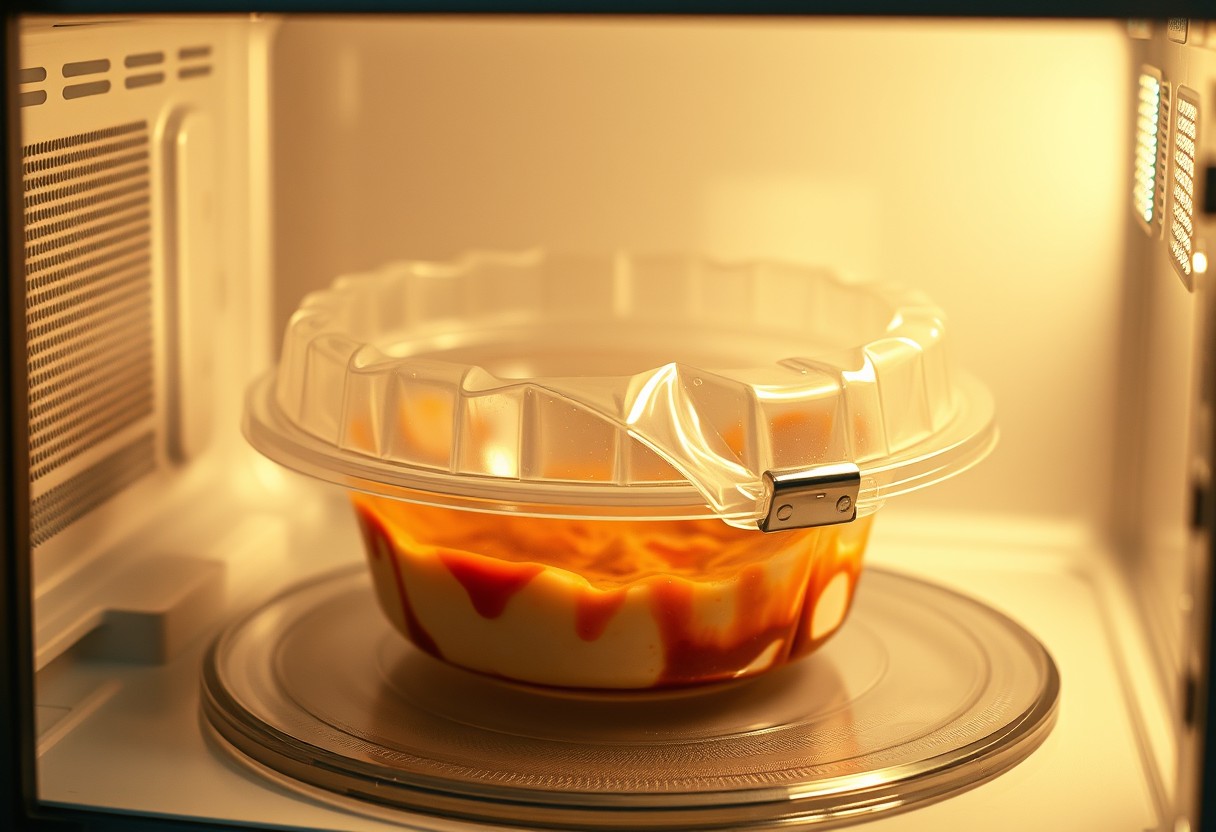
You’ve sealed your leftovers tightly, eager for a quick reheat, but that airtight container could turn your meal into a hazard. Without a vent, steam builds rapidly under pressure, and the container may rupture or explode, releasing scalding food and vapor. This isn’t just messy-it’s dangerous. Even durable plastics can warp or release harmful substances … Read more

How to Stop Microwave Splatter Without Making Food Steam-Soggy

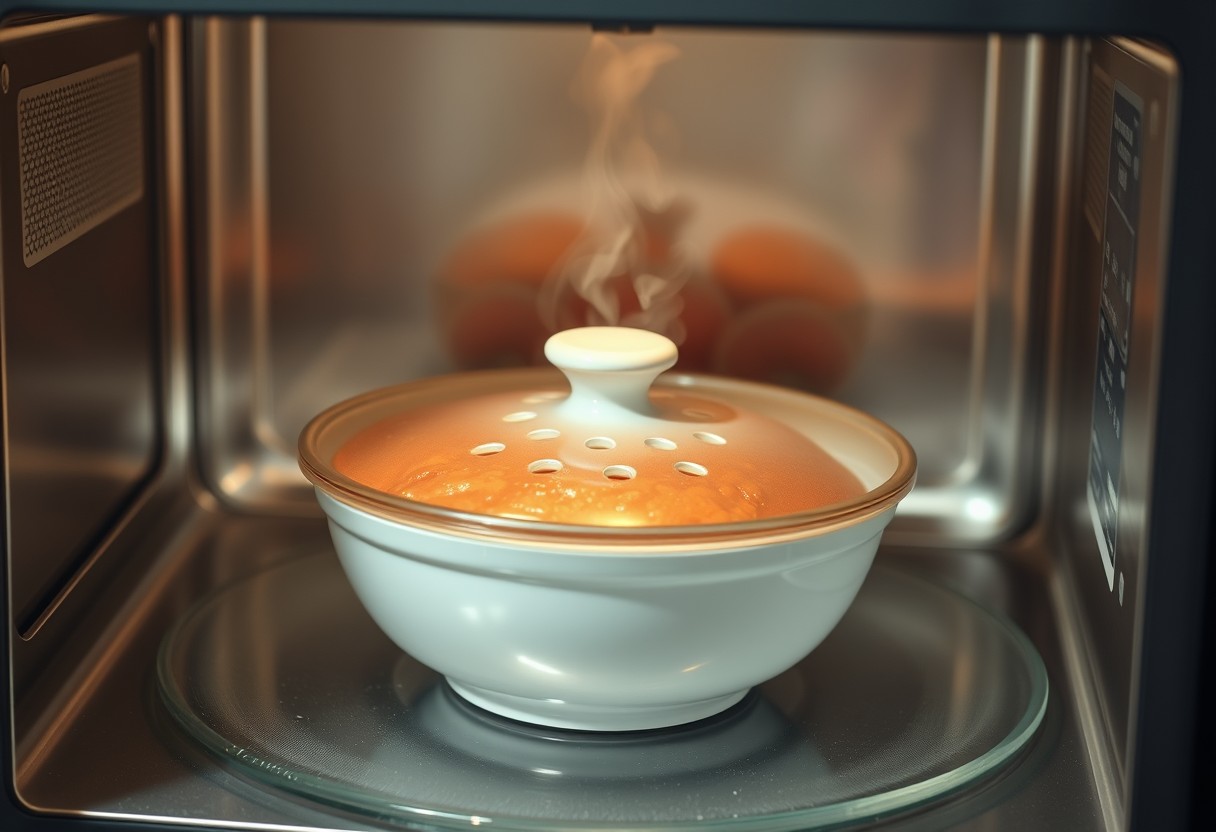
You can stop microwave splatter while keeping your food crisp by using the right cover and venting technique. Improper covering traps steam, leading to soggy meals and messy interiors. Uncovered cooking causes dangerous splatter that burns and breeds bacteria. The solution lies in controlled steam release-using breathable, vented materials that block mess without sacrificing texture. … Read more

The Best Way to Arrange Leftovers on a Microwave-Safe Plate

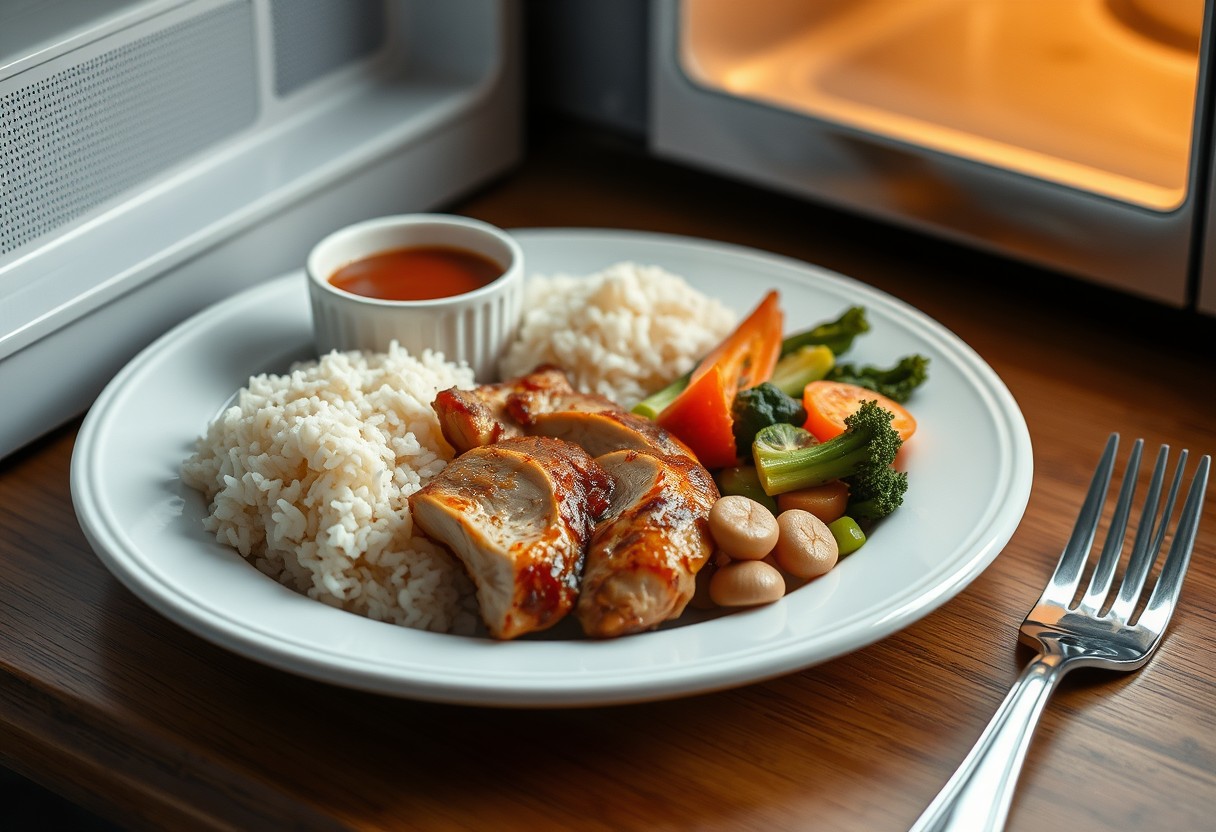
You can reheat leftovers evenly and safely by arranging them in a ring pattern, leaving the center empty. This method promotes uniform heating and prevents cold spots where bacteria can survive. Never pile food in the middle-it leads to uneven temperatures. Use a microwave-safe plate and avoid overcrowding to ensure optimal results every time. Key … Read more

What “Medium Power” Really Means on a Microwave

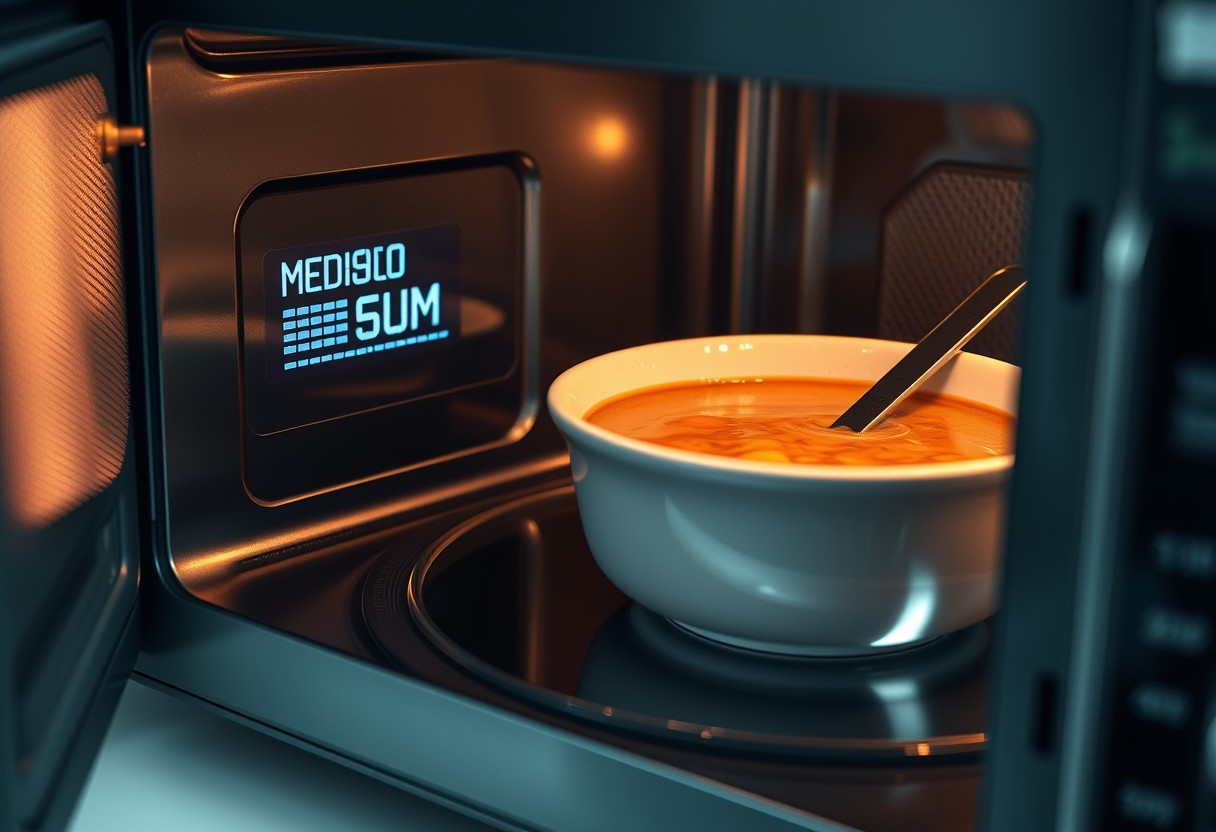
You’ve likely pressed the power button and selected “Medium” without fully understanding what it does. Medium power doesn’t mean less heat-it means cycling the full power on and off. Your microwave runs at 100% for intervals, then shuts down briefly, creating an average output that simulates lower intensity. This method prevents overheating delicate foods while … Read more

How to Tell If a Container Is Truly Microwave-Safe

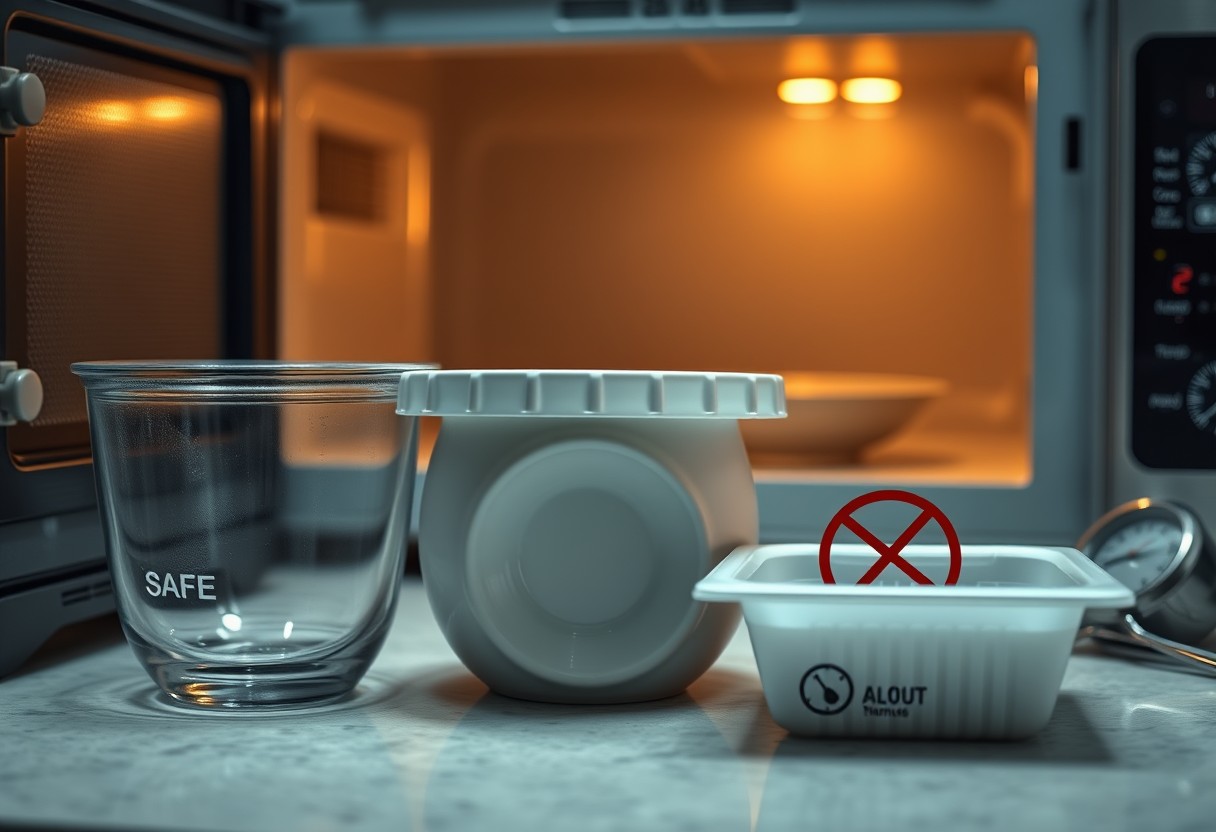
You’ve grabbed a container to reheat leftovers, but not all plastics and ceramics can withstand microwave heat. Using the wrong one risks melting, leaching chemicals, or even starting a fire. This guide shows you how to verify a container’s safety with certainty, using label checks, material analysis, and a simple water test. Your health and … Read more

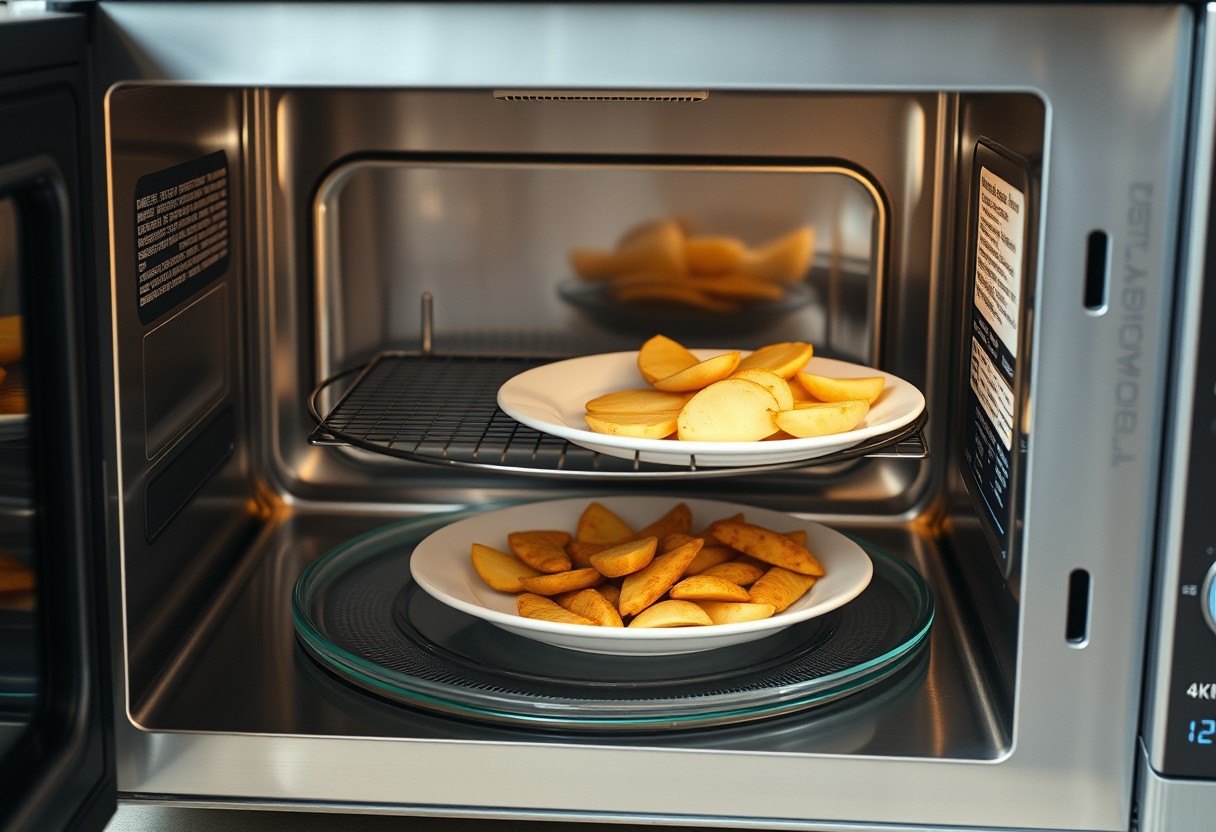
How to Microwave Food in Layers for More Even Heating

You can avoid cold spots and scorching by arranging food in strategic layers before microwaving. Uneven heating is not just frustrating-it can be unsafe, leaving bacteria-laden zones in meats and dense dishes. With the right layering method, you’ll achieve consistent temperatures throughout your meal, preserving texture and flavor. This technique transforms how leftovers and meal-prepped … Read more