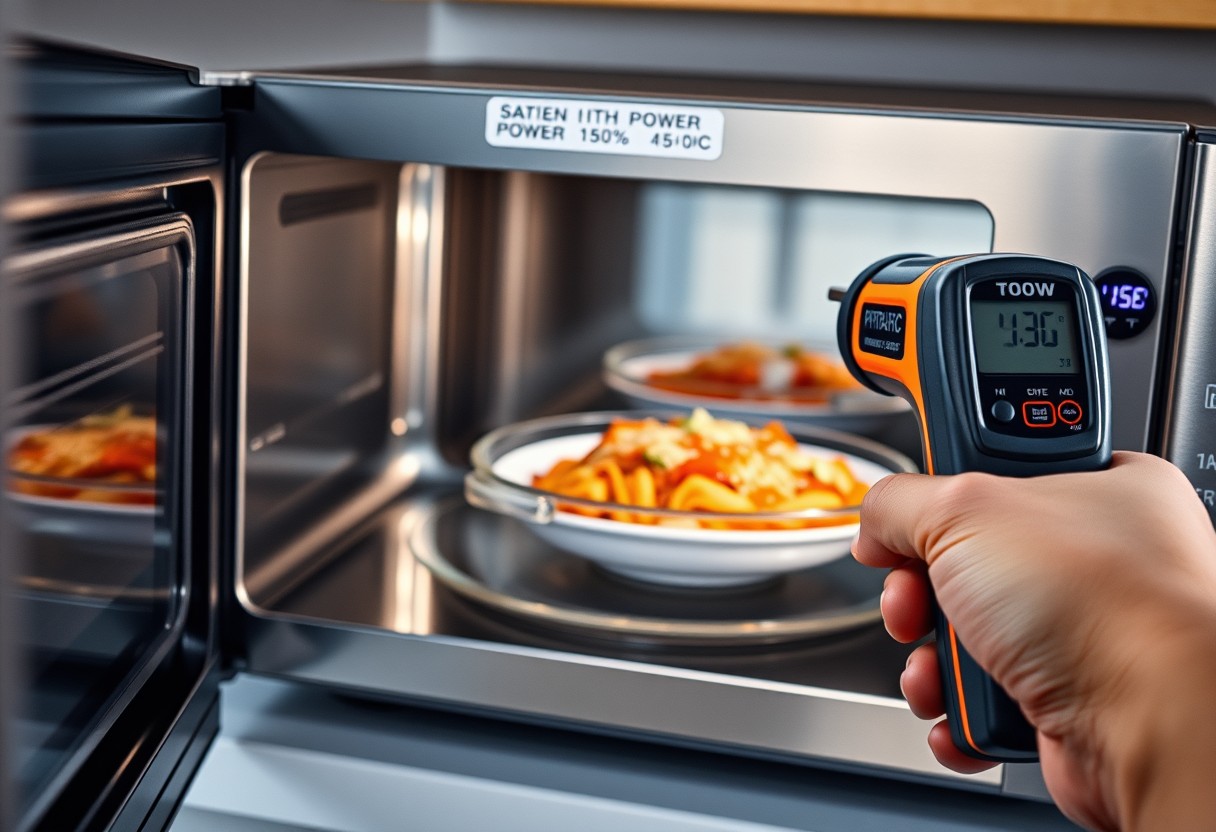

You’ve reheated the same bowl of soup a hundred times, but now it takes longer and heats unevenly. Aging components like the magnetron may be losing power, reducing efficiency over time. Electrical fluctuations or built-up grime inside the cavity can also sabotage performance. Even your habits-like using a different container or skipping stirring-can significantly alter heating results.
Key Takeaways:
- Over time, the magnetron-the component responsible for generating heat-loses efficiency, leading to longer cooking times even when heating the same portion of food.
- Accumulated food residue and splatter inside the cavity reflect microwaves unevenly, reducing heating effectiveness and creating cold spots that make reheating feel slower.
- Small drops in household voltage or aging electrical circuits can diminish microwave performance, especially in older kitchens where power delivery isn’t consistent.

The Magnetron’s Slow Retirement
Over time, the magnetron-the heart of your microwave-begins to lose its strength, even if it still powers on without issue. This vacuum tube generates the microwaves that agitate water molecules in food, but with years of use, its internal components degrade. The electron beam that produces microwave energy grows weaker, reducing the intensity of the radiation entering your food. You may not notice the decline immediately, but meals take longer to warm, and reheating becomes inconsistent. A once-powerful burst of energy now sputters at diminished capacity, silently extending your wait.
The Physics of Vacuum Tube Decay
Inside the magnetron, a vacuum environment allows electrons to travel unimpeded from cathode to anode, forming a resonant field that generates microwaves. As the unit ages, microscopic leaks or material outgassing can compromise this vacuum, scattering the electron flow. Misdirected electrons fail to sustain optimal resonance, leading to a drop in microwave output. Even a slight deviation in electron path reduces heating efficiency, meaning your food receives less energy with each cycle. This decay is invisible but directly impacts performance over years of daily use.
Diminishing Cathode Emission
Your microwave’s cathode slowly loses its ability to emit electrons efficiently, a process accelerated by repeated heating and cooling cycles. The emissive coating on the cathode filament wears thin, reducing the number of electrons released during operation. With fewer electrons available, the beam current weakens, resulting in lower microwave generation. You’re still pressing Start, but the core reaction powering your heating is fading. This degradation occurs gradually, often going unnoticed until reheating times feel unreasonably long.
Voltage Vagaries and Circuitry
Your microwave’s performance hinges on a steady flow of electricity, but fluctuations in household voltage can quietly undermine its power. When other high-wattage appliances draw energy from the same circuit, your microwave may receive less than its rated voltage, causing it to heat food more slowly. This drop in available power directly affects the magnetron’s ability to generate full-strength microwaves, resulting in longer cooking times even when settings remain unchanged. Over time, repeated exposure to low voltage can strain internal components, potentially shortening the appliance’s lifespan.
Shared Circuit Limitations
You might not realize that your microwave shares electrical real estate with other kitchen devices, often leading to underperformance. When a toaster, blender, or coffee maker runs simultaneously on the same circuit, the total current demand increases, reducing the voltage available to your microwave. This means your appliance operates below its intended capacity, struggling to maintain consistent heating power. Installing a dedicated circuit for your microwave eliminates this competition, ensuring it receives full voltage whenever you use it.
Peak Hour Power Dips
During evenings or weekends, when neighborhood energy use spikes, your home’s incoming voltage can dip below normal levels. These brief reductions-sometimes just a few volts-are enough to affect sensitive electronics like microwaves. Your appliance may still turn on and appear functional, yet deliver noticeably weaker heating due to insufficient electrical input. Such dips are usually temporary but explain why reheating leftovers takes longer at 7 PM than at 7 AM, despite identical settings and food volume.

The Scourge of Splattered Soup
Over time, stray splatters from soups, sauces, and stews bake onto interior surfaces, creating a hidden barrier that interferes with efficient heating. These residues absorb microwave energy meant for your food, forcing the appliance to work harder while delivering weaker results. A grimy interior doesn’t just smell unpleasant-it actively sabotages performance. Even small accumulations on the ceiling or walls can alter how waves reflect, leading to inconsistent cooking. Cleaning isn’t just cosmetic; it directly restores efficiency by ensuring microwaves reach their target unimpeded.
Waveguide Cover Obstructions
Behind the interior wall lies the waveguide cover, a protective panel that shields the channel directing energy into the cavity. When food particles splatter and accumulate here, they block or scatter microwaves before they can circulate. A partially obscured waveguide can cut heating efficiency in half without triggering any warning signs. You might not notice the grime, especially if it’s charred or embedded under grease. Regular inspection and gentle cleaning with a damp cloth prevent this silent drain on power, preserving both speed and safety.
Door Gasket Degradation
Your microwave’s door seal, or gasket, is designed to contain electromagnetic energy within the cavity. Over time, this rubberized component can crack, warp, or detach from repeated heat exposure and physical wear. A compromised seal allows microwaves to leak, reducing internal intensity and increasing cook times. While modern units have safety cutoffs, even minor gaps diminish performance long before they become hazardous. If the door feels loose or shows visible damage, replacement is necessary to restore full function and ensure safe operation.
The Deceptive Nature of Molecules
What you perceive as a slowing microwave may actually stem from invisible shifts in your food’s internal structure. Microwaves target water molecules, agitating them to generate heat, but even slight differences in moisture content or density alter how effectively energy is absorbed. A potato from last week’s batch might have dried out in storage, reducing its ability to respond to radiation. Foods with uneven composition-like a casserole with dense meat and soggy vegetables-heat inconsistently because microwaves penetrate and excite molecules at varying rates across regions.
Moisture Loss and Evaporation
Each time you reheat leftovers, some moisture escapes as vapor, especially after repeated refrigeration cycles. That seemingly minor dryness changes how microwaves interact with the food, since water molecules are the primary targets for energy absorption. A slice of lasagna that was moist yesterday may today have a drier surface layer, slowing heat generation even if the internal temperature goal remains the same. This gradual dehydration fools you into thinking the appliance is underperforming, when in fact, the food itself is less receptive.
Thermal Mass Discrepancies
Even if two portions look identical, their ability to store and distribute heat can differ dramatically due to variations in density and composition. A thicker clump of sauce or a hidden pocket of cold rice increases the food’s effective thermal mass, demanding more energy to reach the desired warmth. These subtle physical differences mean identical settings yield inconsistent results, not because the microwave has changed, but because the food’s molecular landscape responds differently each time.
The Fallibility of the Finger
Accidental Power Level Shifts
You might not realize how often a light brush of your fingertip alters the power setting. Modern microwaves rely on sensitive touch controls that respond to even glancing contact, and an unintended tap can drop the heating level from 100% to 50% without confirmation. That means food requiring three minutes at full power now needs six, creating the false impression of a failing appliance. Your routine hasn’t changed, but the machine’s output has-quietly, invisibly, and with measurable impact on heating time.
The Psychology of the Watched Timer
Time stretches when you stand staring at the display, waiting for the beep. The microwave hasn’t slowed-your perception has. Each second feels longer because anticipation heightens awareness, turning a 90-second cycle into an ordeal. Impatience distorts memory, making past heating times seem quicker than they were. This mental lag, not mechanical failure, often fuels frustration. Your hands hover near the door, but the delay is in your mind, not the magnetron.
Conclusion
You may notice your microwave takes longer to heat the same dish over time, and that’s not just your imagination. The magnetron weakens with age, delivering less power with each use. Voltage fluctuations, built-up residue, and changes in food composition all contribute to inconsistent results. Even how you position the container affects heating efficiency. Your microwave isn’t broken-it’s simply aging, working within physical limits, and responding to how you use it every day.
FAQ
Q: Why does my microwave take longer to heat the same meal now than it did when I first bought it?
A: Over time, the magnetron-the component responsible for generating microwaves-gradually loses efficiency. Even if your microwave appears to be working normally, internal wear reduces its ability to produce consistent power. A model that once heated coffee in 90 seconds may now require two minutes or more, not because of user error but due to diminished output from aging hardware.
Q: Can fluctuations in household electricity affect microwave heating times?
A: Yes. Microwaves rely on a stable voltage supply to operate at full capacity. If other high-draw appliances like refrigerators or air conditioners activate on the same circuit, available voltage can dip momentarily. This causes the microwave to underperform during those cycles, extending heating duration. Homes with older wiring or overloaded circuits often see this issue more frequently.
Q: Does leftover food residue inside the microwave impact how quickly food heats?
A: Absolutely. Dried spills and splatters absorb microwave energy instead of allowing it to reach your food. A microwave with a dirty interior forces the appliance to work harder to achieve the same result. For example, baked-on sauce near the waveguide cover can block or scatter waves, leading to uneven or slower heating even when cooking simple items like soup.
Q: Is it true that the type of container I use changes how fast food heats up?
A: Different materials interact with microwaves in distinct ways. Glass and ceramic containers generally allow efficient energy transfer, while some plastics reflect or insulate. Metal-trimmed dishes or foil-lined packaging can deflect waves, creating cold spots and increasing overall heating time. Swapping from a microwave-safe plate to one with hidden metallic glaze can silently degrade performance.
Q: Could my perception of heating time be influenced by how I arrange the food?
A: Food placement plays a measurable role in heating speed. Microwaves create standing wave patterns, resulting in hot and cold zones inside the cavity. Placing a bowl of stew off-center or stacking leftovers unevenly leads to inconsistent exposure. Stirring midway or arranging food in a ring pattern improves efficiency, making it seem faster even if the machine’s output hasn’t changed.