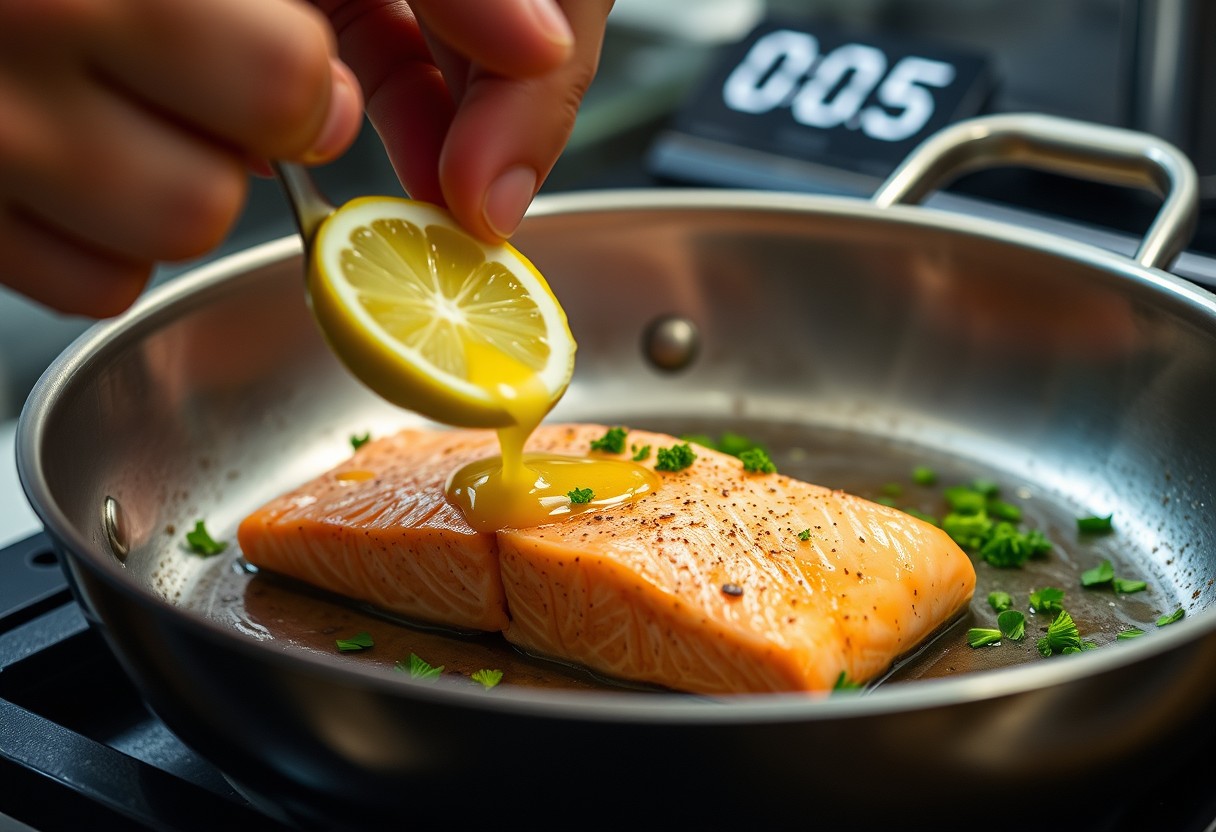
You’ve seasoned, seared, and simmered-only to realize your dish is flat, greasy, or underwhelming in the final moments. A few precise moves in the last 5 minutes can transform a failing plate into a success. One wrong stir or overcorrection, however, can ruin everything. You don’t need more time-just the right knowledge. These targeted fixes address flavor, texture, and balance when there’s no time left.
Key Takeaways:
- A splash of acid-like lemon juice or vinegar-added in the final moments can brighten a dull dish, cutting through richness and balancing flavors that feel flat or overly heavy.
- Stirring in a spoonful of miso, soy sauce, or fish sauce at the end introduces a burst of umami that transforms underseasoned or bland meals without requiring a long cook time.
- When a sauce breaks or a soup lacks body, a quick emulsion made from butter, oil, or a starch slurry stirred in off the heat can restore texture and cohesion in under a minute.
The Acidic Intervention
When a dish feels dull or overly rich, a bright acidic lift can transform its entire profile in seconds. You don’t need elaborate techniques-just a few drops of citrus at the end can cut through heavy fats and awaken muddled flavors. The acidity doesn’t mask richness; it balances it, creating a cleaner, more defined taste. A final squeeze sharpens without overpowering, especially in creamy sauces, fatty braises, or dense stews where flavor clarity starts to fade.
The Citrus Rescue
Lime, lemon, or even yuzu added just before serving brings an immediate lift to sluggish dishes. You’ll notice how a single teaspoon of fresh juice can revive a sauce that tastes flat or greasy, particularly in coconut-based curries or butter-heavy pastas. The key is restraint-overdoing it risks sourness, but a precise splash integrates seamlessly. Always use fresh juice; bottled lacks the vibrant punch needed for this kind of rescue.
The Vinegar Sharpness
Vinegar offers a more focused, penetrating acidity that excels in savory, slow-cooked meals. A few drops of apple cider, sherry, or rice vinegar can restore balance to a heavy beef stew or over-reduced pan sauce without altering its character. Unlike citrus, vinegars bring complexity-aged balsamic adds depth, while white wine vinegar delivers crispness. Stir it in at the very end, letting the heat release its sharpness gently into the dish.
The Umami Injection
When your dish tastes flat or underseasoned, a well-timed umami boost can transform it in seconds. Fermented liquids are your most potent tool here-packed with naturally occurring glutamates, they deliver deep, savory complexity that mimics long-simmered flavor. You don’t need much; just a splash can recalibrate an entire pot. The key is precision: add too much and you’ll overwhelm the dish, but even half a teaspoon of the right ingredient can make a dramatic difference. These pantry staples act fast, dissolving seamlessly into sauces, soups, and braises without altering texture.
The Soy Sauce Cheat
Soy sauce is your fastest route to instant depth, especially in stir-fries, stews, or grain bowls that lack richness. A few drops stirred in during the final moments dissolve into the background, adding savoriness without making the dish taste overtly “soy.” Choose a naturally brewed version for more nuanced flavor and avoid oversalting by reducing added salt elsewhere. If your sauce feels thin or one-dimensional, swirl in up to a teaspoon-you’ll notice the broth suddenly tastes heartier, more complete, as if it simmered twice as long.
The Fish Sauce Ghost
Fish sauce works like a stealth flavor enhancer, vanishing into the dish while amplifying every other taste. Just a few drops can lift a bland curry, soup, or tomato sauce without making it fishy-the aroma cooks off, leaving only profound depth. It’s especially effective in dishes with coconut milk or beans, where richness can mute seasoning. Stir it in at the very end and taste immediately; the transformation is subtle but unmistakable. Overdo it and the dish turns pungent, so go slow-this isn’t a substitute for salt, but a secret layer beneath it.
The Emulsion Hail Mary
When your sauce breaks and oil pools at the surface, don’t scrap it-an ice-cold fat can pull it back from disaster. Drop a tablespoon of chilled butter into the pan and swirl gently over low heat. The cold temperature helps the butter incorporate slowly, encouraging the sauce to re-bond. Keep the heat low, as high temperatures will only worsen the separation. Even a fully split sauce can re-emulsify with patience and the right technique. This is your best defense when time is against you.
The Cold Butter Mount
Butter is more than richness-it’s a rescue tool. Drop a small cube of ice-cold butter into the broken sauce and stir slowly off direct heat. As it melts, the emulsifiers in the butter’s milk solids grab loose liquid and fat, pulling them back into suspension. Use unsalted butter to control seasoning, and never add more than two tablespoons to avoid diluting flavor. Done right, the sauce turns glossy and cohesive in under a minute, transforming failure into a polished finish.
The Starch Water Bind
Starchy cooking water can be the anchor a loose, broken sauce needs. Instead of draining pasta completely, reserve a cup before finishing. If your sauce won’t come together, add a splash-just two to three tablespoons-while stirring vigorously. The starch acts as a glue, helping oil and liquid reattach. Overdo it, and the sauce turns gummy, so add incrementally. This trick works especially well in butter-based or cream sauces where texture matters most.
The Herbaceous Resurrection
When your dish tastes flat or overly dull, a handful of fresh herbs can be the most effective last-minute fix. Heat dulls delicate flavors, so adding soft herbs at the end preserves their brightness and aromatic complexity. You’re not just garnishing-you’re transforming. A generous scatter of parsley, cilantro, dill, or mint wakes up tired sauces, soups, and proteins with minimal effort. The result is an immediate lift in both flavor and appearance, making even a lackluster plate feel vibrant and intentional.
The Soft Herb Finish
You’ll see the biggest impact when you stir in tender herbs like basil, tarragon, or chervil just before serving. These greens lose their character quickly under heat, so adding them raw ensures their fragrant oils remain intact. Tear rather than chop them to prevent bruising, and fold them gently into warm dishes so they wilt slightly without turning lifeless. This small step delivers a wave of freshness that makes your meal taste instantly more balanced and thoughtfully composed.
The Chive Transformation
A fine shower of snipped chives can change the entire profile of a nearly-finished dish with its mild onion punch and crisp texture. Unlike stronger alliums, chives add subtle sharpness without overwhelming the palate, making them ideal for creamy soups, mashed potatoes, or seared meats. Their bright green color also signals freshness, giving your plate a visually appealing lift in seconds. Keep a bunch ready-this simple move often makes the difference between good and exceptional.
The Smoke Screen
When overcooked flavors threaten to dominate your dish, bold aromatics can shift the entire sensory focus. A few drops of intensely fragrant oil or a heavy hand with smoky spices won’t reverse damage, but they will distract the palate powerfully. This isn’t deception-it’s strategic redirection, using potency to overshadow what went wrong. Commit fully: half-measures fail. Lean into the boldness, knowing that sometimes confidence on the plate masks imperfection. For more inspiration on reinventing dishes under pressure, check out The Exciting Plan for the Rest of the Summer.
The Toasted Sesame Oil
One teaspoon of toasted sesame oil drizzled at the end transforms a tired stir-fry or grain bowl in seconds. Its deep, nutty intensity overpowers stale or burnt undertones without requiring further cooking. You’re not hiding the flaw-you’re replacing its memory. Use it cold, never heated, to preserve its volatile aroma. Just swirl it over the top before serving; the fragrance hits first, guiding the taste experience. This small act redirects attention where you want it: to richness, not regret.
The Smoked Paprika Pivot
Smoked paprika redefines a dish’s identity with color and campfire depth in a single sprinkle. If proteins have dried out or vegetables lost their brightness, this spice imposes a new narrative of intentionality. Dust it over roasted roots, stir it into sauces, or blend into finishing oils. The illusion? That charred edges were meant to echo the spice’s own fire-kissed origin. Applied boldly, it turns accidents into assertions-your mistake becomes your flavor profile.
Summing up
You now have a set of reliable, last-minute techniques that can transform a nearly failed dish into something memorable. Whether it’s brightening with acid, deepening flavor with umami, or rescuing a broken sauce with an emulsion fix, these moves are practical and effective. A sprinkle of fresh herbs, a hint of smoke, or a well-timed adjustment can shift the entire profile of your meal. You don’t need special tools or rare ingredients-just awareness and timing. These strategies work because they respond directly to what’s happening on the plate, giving you control when it matters most.
FAQ
Q: What does the “last 5 minutes” cooking concept actually mean?
A: The “last 5 minutes” cooking concept refers to quick, strategic moves you can make just before serving a dish that dramatically improve its flavor, texture, or appearance. These aren’t fixes for burnt or ruined food, but smart interventions when a meal is nearly done but still feels flat, unbalanced, or underwhelming. Think of it as fine-tuning a song right before the final playback-small changes that make a big difference in the overall experience.
Q: Can adding acid really fix a dull sauce or stew?
A: Yes, a splash of acid like lemon juice, vinegar, or even a touch of wine can instantly brighten a dish that tastes heavy or one-dimensional. Acid cuts through richness and wakes up your taste buds. For example, a spoonful of red wine vinegar stirred into a slow-cooked tomato sauce just before serving can make the flavors pop without making the dish taste sour. The key is to add it gradually and taste as you go.
Q: How do I add umami to a dish that’s almost finished?
A: Umami can be introduced in the final minutes with ingredients like soy sauce, fish sauce, miso paste, grated Parmesan, or even a spoon of tomato paste. A half-teaspoon of fish sauce stirred into a simmering curry or soup adds depth without making it taste fishy. A mid-sized SaaS firm might rely on feedback loops, but a home cook relies on umami to deepen flavor fast when time is short.
Q: What’s the best way to rescue a broken emulsion like a split sauce?
A: If a sauce like hollandaise or vinaigrette breaks, start with a small amount of the base liquid-water, vinegar, or lemon juice-and whisk it in slowly. Sometimes placing the bowl over a cold surface while whisking helps rebind the fats and liquids. For a vinaigrette, adding a teaspoon of Dijon mustard can stabilize it. The goal is to reintroduce an emulsifier or temperature control to bring the ingredients back together.
Q: Is it safe to add raw herbs at the last minute, and why does it matter?
A: Adding raw herbs like parsley, cilantro, dill, or chives just before serving preserves their fresh flavor and vibrant color. Cooking them too long dulls their brightness. A handful of chopped basil tossed into a finished pasta or a sprinkle of scallions over a stir-fry adds a layer of aroma and contrast that cooked herbs can’t match. It’s one of the simplest ways to make a dish look and taste restaurant-ready.