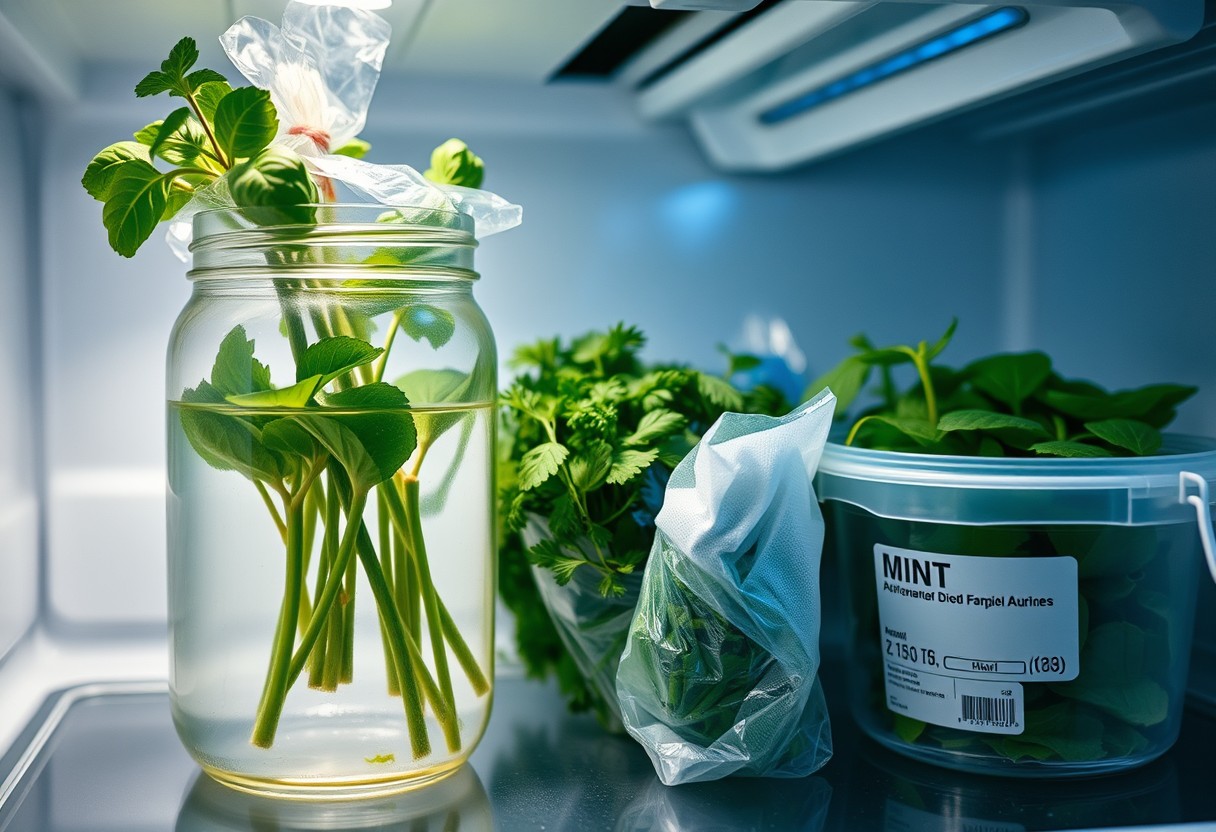

You’ve bought fresh herbs with every intention of using them all, only to find them rotting or slimy within days. This common kitchen frustration wastes money and flavor. The good news? With the right storage method, you can extend their freshness by up to two weeks. You don’t need special tools-just a few smart techniques that target moisture, temperature, and airflow.
Key Takeaways:
- Store soft herbs like cilantro and parsley in a glass of water with a loose bag cover to maintain hydration without trapping excess moisture.
- Dry woody herbs thoroughly before wrapping them in a slightly damp paper towel and placing them in a sealed container to prevent mold and decay.
- Keep all herbs away from ethylene-producing fruits like apples and bananas in the refrigerator, as the gas accelerates spoilage and leads to sliminess.
Identifying the Environmental Factors of Herb Decay
Moisture and oxygen levels inside your refrigerator directly influence how quickly herbs deteriorate. When herbs remain in high-humidity environments with poor air circulation, bacterial growth accelerates, leading to slimy stems and spoiled leaves. Excess moisture creates a breeding ground for microbes, while too little airflow traps ethylene gas and humidity around the herbs. You can slow decay by understanding how these elements interact-keeping herbs dry and in breathable conditions disrupts the cycle of spoilage before it begins.
The impact of excess surface water
Water clinging to herb leaves after washing provides the perfect environment for bacteria to thrive. When you store herbs while they’re still damp, the moisture seeps into delicate tissues, weakening cell structure and encouraging sliminess within hours. This surface water also traps oxygen, creating anaerobic pockets where harmful microbes multiply rapidly. Always dry herbs thoroughly using a salad spinner or clean towel to remove every trace of moisture-keeping them dry is one of the most effective ways to prevent early spoilage.
How ethylene gas accelerates wilting
Fruits like apples, bananas, and tomatoes release ethylene gas as they ripen, a natural compound that triggers aging in nearby produce. When herbs are stored close to these sources, they absorb the gas, which speeds up chlorophyll breakdown and causes leaves to yellow and wilt prematurely. Even small amounts of exposure can reduce shelf life significantly. Keeping herbs away from ethylene-producing foods helps maintain their freshness, color, and aromatic quality for several extra days.
Essential Preparation Tips Before Refrigeration
Proper drying is your strongest defense against slimy herbs. After washing, moisture trapped in the leaves and stems accelerates bacterial growth, leading to rapid rot. To prevent this, lay herbs flat on a clean towel and gently roll them to absorb water, then air-dry completely before storage. Even a small amount of residual dampness can compromise freshness. Thorough drying is the most critical step you control at home. For a simple, effective method, see This is a good trick to remember! Keep your herbs fresh! used by experienced home cooks.
- Always dry herbs completely after washing
- Use a salad spinner or towel roll for efficient moisture removal
- Avoid sealing damp herbs in containers-this invites slime and mold
Assessing herb quality at the market
You can prevent early spoilage before you even get home by carefully selecting herbs at the store. Look for bright, crisp leaves without dark spots, wilting, or yellowing-these are early signs of decay. Stems should feel firm, not limp or sticky. Herbs bunched with tight, vibrant crowns last longer than those with loose, damaged foliage. Freshness at purchase directly determines shelf life, so never overlook appearance and texture. Choosing high-quality herbs sets the foundation for long-term storage success.
The proper way to clean delicate leaves
Delicate herbs like cilantro and parsley require gentle handling to avoid damage during cleaning. Fill a bowl with cool water and swish the herbs briefly to loosen dirt, then lift them out-don’t drag them through sediment. Rinse under a light stream if needed, but avoid prolonged soaking. Immediately pat dry with a lint-free cloth or use a salad spinner. Excess water is the fastest route to spoilage, especially in tender stems and leaf clusters. Clean quickly and dry thoroughly to preserve texture and flavor.
How-to Store Soft Herbs for Maximum Life
Treat soft herbs like delicate flowers to preserve their freshness and texture. Place them upright in a jar with an inch of water, just as you would arrange a bouquet. This simple step mimics their natural growing conditions and prevents premature wilting. Keep the jar on a shelf in your refrigerator, not the door, where temperatures fluctuate. The stems stay hydrated while the leaves remain crisp, dramatically extending shelf life compared to sealed plastic bags.
The water jar and plastic bag method
Fill a glass or jar with about one inch of water and place your herb bunch inside, leaves up, stems down. Loosely cover the greens with a plastic produce bag and secure it around the jar with a rubber band or twist tie. This setup maintains humidity around the leaves while allowing airflow, which is essential to prevent mold and slime. Replace the water every two days to keep it clean and oxygenated, ensuring your herbs stay vibrant and aromatic longer.
Trimming stems for better hydration
Cut about half an inch from the bottom of each stem at a slight angle before placing them in water. Angled cuts expose more surface area, helping the herbs absorb moisture efficiently. This small action makes a noticeable difference in how long they stay fresh, especially for thirsty varieties like cilantro and parsley. Re-trim the stems every time you change the water to maintain optimal uptake and prevent bacterial buildup that leads to spoilage.
How-to Manage Woody and Hardy Herbs
Rosemary and thyme thrive when stored with a balance of moisture and airflow, which prevents them from drying out or developing mold. Wrapping these herbs in a damp paper towel helps maintain hydration without oversaturating the stems, preserving their essential oils responsible for flavor and aroma. Unlike softer herbs, they tolerate cooler temperatures better but still suffer in overly wet conditions. Keep them wrapped this way inside a container to prolong freshness for up to two weeks.
The damp paper towel roll technique
Start by lightly moistening a paper towel-wring out any excess water so it’s damp but not dripping. Lay the rosemary or thyme on the towel, then roll it gently to enclose the herbs. This method creates a controlled microclimate that sustains moisture around the stems while allowing minimal air exchange. Store the roll in the refrigerator upright or flat, depending on space, and check every few days for dryness or condensation, adjusting as needed.
Choosing the right airtight container
A container with a secure lid prevents humidity fluctuations and shields the herbs from strong-smelling foods. Opt for a rigid container made of glass or BPA-free plastic that can hold the paper towel roll without compressing it. Ensure the interior is completely dry before inserting the roll, as trapped free water promotes spoilage. A clear container lets you monitor the herbs’ condition without frequent opening, reducing exposure to temperature shifts and extending shelf life.
Optimizing Refrigerator Conditions and Factors
Stable temperatures in your crisper drawer are essential to keeping herbs fresh and slimy-free. Fluctuations cause condensation, which creates a moist environment where spoilage thrives. Your refrigerator should maintain a consistent temperature just above freezing, ideally between 34°F and 40°F. Avoid overloading the drawer or placing warm items nearby, as these actions disrupt thermal stability. The crisper is designed to buffer temperature swings, so use it as intended-keeping it organized and not overcrowded ensures optimal airflow and longer herb freshness.
- Keep crisper temperature between 34°F and 40°F
- Prevent condensation with stable temperatures
- Avoid overpacking to maintain air circulation
- Limit door opening to reduce thermal fluctuations
Ideal temperature zones for fresh produce
Understanding where different types of produce thrive inside your refrigerator helps prevent premature decay. Herbs belong in the high-humidity crisper drawer, which maintains cooler and more stable conditions. Warm spots near the door or in non-temperature-controlled compartments encourage moisture buildup and rapid spoilage. By reserving the main compartment for dairy and meats, and using designated drawers properly, you create microclimates that extend shelf life. Keeping temperatures steady around 36°F in this zone gives herbs the best chance to remain crisp and aromatic for over a week.
| Produce Type | Recommended Storage Zone |
|---|---|
| Soft herbs (cilantro, parsley) | High-humidity crisper drawer |
| Hardy herbs (rosemary, thyme) | High-humidity crisper drawer |
| Leafy greens | High-humidity crisper drawer |
| Fruits (apples, grapes) | Low-humidity drawer or separate bin |
Using the humidity toggle effectively
Your crisper’s humidity control exists to match the natural respiration rate of stored produce. For fresh herbs, set the dial to the high-humidity (closed) position to trap moisture and prevent wilting. These plants continue to lose water after harvest, and a sealed vent slows that process. However, if excess moisture accumulates due to improper prep or fluctuating temps, the same setting can backfire. Monitor for fogging or droplets-if present, crack the vent slightly to allow airflow without drying out the herbs. A balanced setting maintains a fresh, non-slimy texture for up to ten days.
To wrap up
You now have a clear, practical method to keep fresh herbs from turning slimy in the refrigerator. Treating soft herbs like cut flowers and storing woody varieties wrapped in slightly damp cloth makes a visible difference in texture and shelf life. Small adjustments-like using the right humidity drawer or changing storage containers-directly impact freshness. You don’t need special tools, just consistent habits based on how each herb type responds to moisture and cold. Apply these steps regularly, and you’ll consistently preserve flavor, color, and usability week after week.
FAQ
Q: Why do fresh herbs turn slimy in the refrigerator?
A: Fresh herbs develop slime when excess moisture combines with cold temperatures, creating an environment where bacteria thrive. Delicate leaves like cilantro or parsley absorb water easily, and if stored while wet or sealed in airtight plastic without airflow, they begin to break down. The cell structure deteriorates, leading to soft, slick textures. This process accelerates in crisper drawers that trap humidity unless managed properly.
Q: Should I wash herbs before storing them in the fridge?
A: Washing herbs before storage can increase the risk of spoilage if not handled correctly. Water left on the leaves promotes bacterial growth. It’s best to wait until just before use to rinse them under cool running water. If cleaning is necessary ahead of time, dry each sprig thoroughly using a salad spinner or by patting gently with clean towels, then allow them to air-dry completely before refrigerating.
Q: Can I store all types of herbs the same way in the refrigerator?
A: No, soft herbs such as dill, basil, and mint require different handling than woody varieties like rosemary, thyme, or oregano. Tender herbs benefit from being treated like cut flowers-placed upright in a jar with an inch of water and covered loosely with a plastic bag. Hardy herbs fare better when wrapped in slightly damp paper towels and placed in a breathable container or open bowl inside the crisper drawer.
Q: How long do fresh herbs last in the refrigerator?
A: With proper preparation and storage, soft herbs typically stay fresh for 7 to 10 days, sometimes longer. Basil may only last 5 to 7 days due to its sensitivity to cold. Woody herbs such as thyme can remain usable for up to two weeks when stored correctly. Lifespan depends heavily on initial freshness, moisture control, and airflow within the refrigerator compartment.
Q: Is it safe to eat herbs that have started to feel slimy?
A: Herbs with a slimy texture are already breaking down and may harbor bacteria even if there’s no visible mold or odor. While mild surface moisture after washing isn’t harmful, persistent slime indicates microbial activity. It’s safer to discard affected bunches. A quick inspection before use-checking for color changes, smell, and texture-helps avoid consuming spoiled greens.