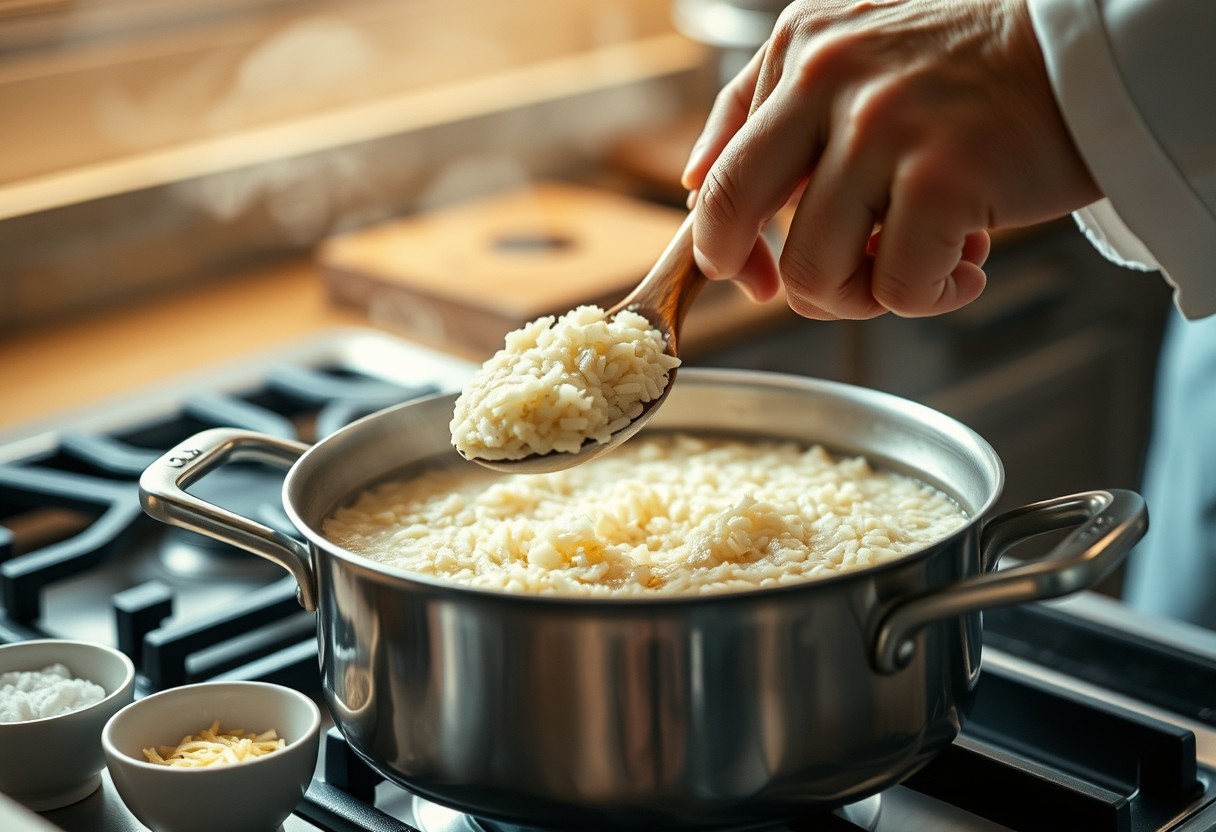
You can tell when food is cooking properly by paying attention to its texture. Ignoring texture cues can lead to dry, rubbery, or undercooked results, but mastering the “Texture Check” method helps you adjust in real time. This hands-on technique is one of the most reliable ways to ensure quality, especially when recipes don’t account for variables like heat intensity or ingredient differences. You’ll learn how to trust your senses and respond accurately.
Key Takeaways:
- The texture check method relies on using touch, sight, and sound to assess food doneness in real time, replacing guesswork with direct sensory feedback.
- Different foods respond to pressure and heat in distinct ways-learning the subtle differences between a properly seared steak and an overcooked piece of fish builds intuitive cooking skill.
- Consistent practice trains muscle memory and sensory recognition, allowing cooks to adjust heat and timing on the fly for better results across proteins, vegetables, and grains.
Understanding the Core Principles of Texture
Texture reveals how much structural breakdown has occurred in your food as it cooks, acting as a direct signal of progress beneath the surface. When proteins tighten or starches gelatinize, the physical resistance you feel changes noticeably. You can detect overcooking before it’s visible by noticing when meat turns from springy to rubbery or vegetables lose their crisp resilience. This tactile feedback gives real-time insight into doneness, far beyond what time or temperature alone can tell you.
The science of resistance and tenderness
Resistance in food shifts as heat alters its internal structure, and your fingers detect these changes instantly. Raw meat feels soft with a slight rebound, but as proteins denature, it firms up in predictable stages. A steak that yields slightly under pressure signals medium-rare perfection, while one that bounces back firmly is well done. Vegetables follow a similar path-crisp gives way to tender, then to mush if pushed too far. Recognizing these stages helps you stop cooking at the ideal moment.
Why touch is more reliable than a timer
Timers ignore the variables that affect every cooking session, but your sense of touch adapts in real time. Heat intensity, thickness, and starting temperature all influence how quickly food changes texture, making fixed times misleading. A chicken breast cooked at high heat may need half the time yet reach the same tenderness as one cooked low and slow. By relying on feel, you respond to the actual state of the food, not an arbitrary number, ensuring consistent results regardless of conditions.
Identifying Key Factors That Influence Doneness
Your food’s final texture hinges largely on two internal elements: moisture content and fat distribution. These components dictate how proteins firm up, vegetables soften, or grains absorb heat. Foods with high water levels, like zucchini or chicken breast, respond quickly to temperature changes and can overcook easily. In contrast, denser items retain heat differently. Understanding these variables helps you anticipate doneness without relying solely on time. The interplay between moisture loss and fat melt creates the foundation for accurate texture assessment.
- Moisture content determines how quickly food cooks through and how prone it is to drying out
- Fat distribution influences heat transfer and contributes to tenderness and mouthfeel
- Uneven fat rendering can lead to inconsistent texture, even within the same cut
- Natural density variations affect how evenly heat penetrates different regions of food
Impact of density and moisture levels
Density directly affects how heat travels through food, with tighter cell structures slowing conduction. Items like potatoes or thick fish fillets resist rapid temperature shifts due to their compact composition, requiring longer exposure to achieve even doneness. High moisture levels initially cool the interior, delaying structural changes. As water evaporates, the surface firms and the center gradually catches up. You must account for this lag, especially in foods where internal consistency matters more than color or timing.
Role of fat rendering in structural changes
Fat melts under heat, releasing juices that baste the surrounding tissue and soften tough fibers. In meats like pork shoulder or ribeye, this process transforms chewy connective tissue into tender, succulent strands. As fat rendering progresses, the food’s structure loosens, allowing for easier separation with a fork or knife. Insufficient rendering leaves behind greasy, unappetizing textures, while overexposure can strip away too much fat, leading to dryness. Managing heat ensures this balance supports ideal doneness.
How to Perform the Physical Texture Check
Pressing gently with your fingertip or a tool reveals the internal state of food far more accurately than timers or guesswork. For proteins, the resistance you feel correlates directly to its doneness-soft and springy means rare, while firm indicates well-done. With vegetables, a thin paring knife should slide in with just slight resistance for ideal tenderness. Overcooked food cannot be undone, so checking early and often prevents irreversible mistakes. Trust your hands as much as your eyes and nose when judging readiness.
The finger-press technique for proteins
Firmness under your touch gives an immediate read on meat’s doneness without cutting into it. Press the center of a steak, chop, or fillet with your index finger-compare the resistance to the fleshy part of your palm below the thumb. Rare feels soft like the base of your thumb when relaxed, medium gains springiness, and well-done is tight and unyielding. This method works best on uniform cuts and avoids heat loss from opening grills or ovens repeatedly.
Using a paring knife for vegetable resistance
Slide the tip of a paring knife into the thickest part of a vegetable piece to assess its texture. When the blade glides through with minimal push but still meets gentle resistance, root vegetables, stems, or dense produce are perfectly cooked. If it plunges too easily, they’re likely mushy; if it requires force, they remain underdone. This small test preserves moisture and structure better than tasting multiple times, especially in large batches or delicate dishes.
Troubleshooting Common Texture Issues
Most texture problems during cooking stem from improper heat management or moisture loss, but the good news is they’re often fixable in real time. If your food feels too firm, rubbery, or dry, consider lowering the heat and introducing a small amount of liquid-such as broth, water, or even steam-to restore balance. A sudden drop in temperature can prevent further overcooking while allowing fibers or starches to relax. Trust your hands and utensils as diagnostic tools; subtle resistance or stickiness tells you more than the clock ever will.
Saving over-toughened meats
You can rescue meats that have become tough due to high heat or prolonged cooking by immediately reducing the temperature and adding a splash of liquid to the pan. The moisture helps conduct heat more gently, allowing tight protein fibers to reabsorb some hydration. Cover the pan to trap steam, which softens texture without further browning. Never cut into the meat to check-this releases precious juices; instead, rely on feel and spring-back to monitor improvement over several minutes.
Fixing unevenly cooked starches
When potatoes, rice, or pasta cook unevenly-crisp on the outside but hard at the center-adjusting the heat and introducing moisture can correct the issue. Lower the flame and add a few tablespoons of warm water or broth, then cover tightly to allow trapped steam to penetrate dense areas. Stir gently if appropriate, ensuring even exposure to heat. This method prevents burning while softening resistant cores, bringing the entire batch to a consistent texture without starting over.
Tips for Mastering Sensory Feedback
Building a mental library of ideal textures transforms your cooking from reactive to intuitive. You begin to recognize doneness not by time or temperature, but by feel, sound, and sight. Trust develops when you consistently match sensory input to expected outcomes. For deeper insight into how physical consistency influences flavor perception, explore How Does Texture of Food Affect Taste?. Over time, your hands and eyes become as reliable as any recipe.
- Mental texture library improves consistency
- Sensory feedback reduces recipe dependence
- Consistent results come from repeated observation
- Intuitive cooking grows with practice
Maintaining a mental texture journal
Each time you cook, your brain records subtle cues about resistance, spring, and surface crispness. You can strengthen this recall by mentally noting what each properly cooked item felt like-whether it was a seared scallop or roasted carrot. Over weeks, these stored impressions form a reliable internal reference. The most positive detail is that you no longer need to guess; your memory guides your hand with growing accuracy.
Comparing raw versus cooked resistance
Raw ingredients offer little resistance when pressed, while cooked ones develop firmness or spring depending on method. You learn to anticipate how much change is ideal-zucchini softens slightly, while chicken breast firms up dramatically. Recognizing this shift helps you avoid under- or overcooking. The danger of ignoring this contrast is ending up with mush or rubbery results, even if seasoning and timing are perfect.
| Texture Development Patterns | |
|---|---|
| Raw State | Cooked State |
| Soft, pliable, high moisture | Firm, springy, reduced moisture |
| Minimal resistance to pressure | Noticeable resilience or bounce-back |
| Glossy or translucent appearance | Matte, opaque, or browned surface |
| No audible sizzle or crackle | Pronounced sizzle, pop, or crunch |
Advanced Techniques for Different Food Groups
Proteins and vegetables demand separate tactile strategies because their internal structures respond differently under heat. Animal tissues contract and firm as proteins denature, while plant cells soften when pectin breaks down. Your fingers must learn these contrasting signals to avoid over- or undercooking. Misreading one for the other can turn a salmon fillet into dry fibers or leave green beans unpleasantly rubbery. Correct identification of resistance and rebound is essential for timing precision across food types.
- Use the pad of your index finger to test firmness, not the fingertip
- Compare cooked samples to raw ones to calibrate your sense of change
- Apply consistent pressure-too much force distorts feedback
- Allow a two-second pause after touch to assess structural recovery
- Wash hands between testing different proteins to avoid cross-contamination
| Food Group | Tactile Indicator of Doneness |
| Leafy Greens | Loses raw stiffness, bends smoothly without cracking |
| Root Vegetables | Yields slightly under firm pressure, center remains dense |
| Poultry | Firm with slight spring, juices run clear |
| Delicate Fish | Flakes gently with light pressure, resists mushiness |
Assessing the snap of blanched greens
When you lift a spear of asparagus or a stem of broccolini from simmering water, bend it slightly near the middle. Raw greens crack abruptly, but properly blanched ones yield with a soft fold and minimal resistance. This flexible break indicates ideal cell wall softening without total collapse. Overcooked stems drape limply and signal nutrient loss and flavor degradation. Trust this subtle shift in resilience-it separates vibrant side dishes from soggy disappointments.
Gauging the flake of delicate seafood
A gentle press from the side of a fork reveals whether sole or cod has reached its peak. The flesh should part into clean, opaque segments with little effort, yet still hold cohesion. If it clings stubbornly, it’s underdone; if it collapses into mush, it’s past the point of recovery. Perfect doneness feels tender but intact, like pressing a ripe avocado through cling film. This sensitivity prevents drying in lean fish that lack fat to compensate for overcooking.
Conclusion
You now have a reliable method to assess doneness through direct sensory feedback. The texture check allows you to respond to food as it cooks, adjusting heat and timing based on real-time cues rather than rigid timers or recipes. By consistently applying touch, sight, and sound, you build an intuitive understanding of how proteins, vegetables, and grains transform under heat. This skill sharpens with practice and attention, turning routine cooking into a more precise and confident process. You’re no longer guessing-you’re feeling your way to perfectly cooked meals every time.
FAQ
Q: What exactly is the “Texture Check” method in cooking?
A: The “Texture Check” method is a hands-on technique used to assess food doneness by evaluating its physical resistance and consistency during cooking. Instead of relying solely on timers or temperature probes, cooks use touch, sight, and sound to determine whether meat, vegetables, baked goods, or other foods have reached the desired stage. For example, pressing gently on a steak gives immediate feedback-soft means rare, springy suggests medium, and firm indicates well done. This approach works especially well when searing, roasting, or grilling, where internal changes happen rapidly and visual cues may be misleading.
Q: Can the Texture Check be used for foods other than meat?
A: Yes, the Texture Check applies to many types of food beyond meat. With vegetables like potatoes or carrots, poking them with a fork reveals tenderness-slight resistance means they’re crisp-tender, while easy penetration signals full softness. In baking, tapping the bottom of bread can confirm if it’s properly set; a hollow sound means it’s done. Fish fillets flake easily with light pressure when cooked through, while underdone ones remain dense and rubbery. Even pasta can be assessed this way-al dente strands offer slight chew, whereas overcooked ones feel mushy between fingers.
Q: How do I avoid overcooking when using texture as a guide?
A: Overcooking often happens because texture changes quickly at critical stages, especially with thin cuts or delicate proteins. To prevent this, check frequently in the final minutes and remove food from heat just before it reaches ideal firmness, since carryover cooking continues the process. A salmon fillet that feels slightly soft in the center when lifted with a spatula will firm up fully after resting. Similarly, a cake that springs back lightly but still has a tiny give in the middle should come out of the oven immediately to avoid dryness.
Q: Is the Texture Check reliable for beginners?
A: Beginners can learn the Texture Check effectively with consistent practice and reference points. Start by using traditional tools like thermometers alongside tactile assessment to build a mental library of how different temperatures correspond to feel. For instance, comparing the firmness of a chicken breast cooked to 165°F with your finger helps imprint that sensation. Over time, repeated exposure trains muscle memory and perception. Many professional chefs began this way, refining their sense of touch across hundreds of cooked items until accuracy became instinctive.
Q: What are common mistakes people make when performing a texture check?
A: One frequent error is pressing too hard or too often, which squeezes out juices and disrupts even cooking-especially with meats like burgers or fish. Another mistake is checking too early, before the surface has developed enough structure to provide meaningful feedback. Some confuse external crispiness with internal doneness, pulling food off heat prematurely. Also, using cold fingers on hot pans can cause hesitation or inaccurate pressure application. Using the back of a spoon or tongs instead of bare fingers in high-heat situations maintains control without risk.