Why Your Microwave Seems to Take Longer to Heat the Same Food
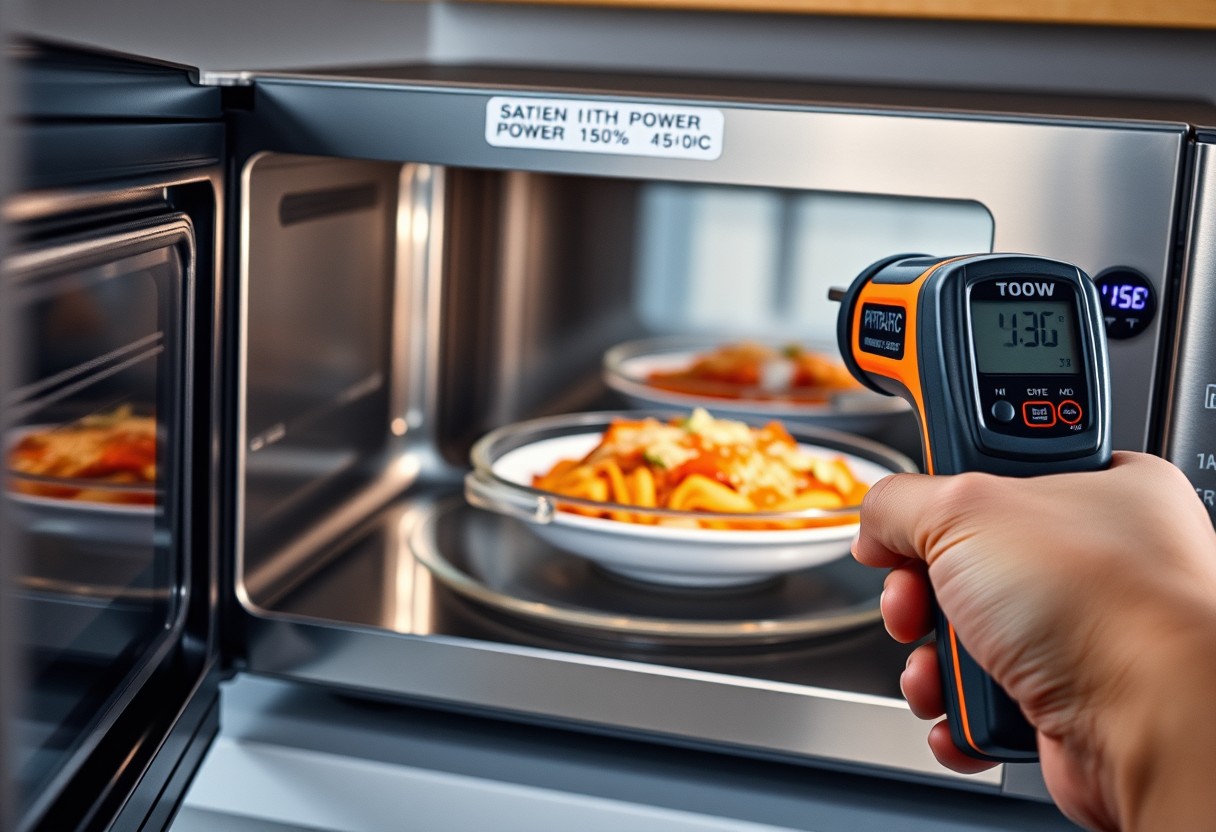
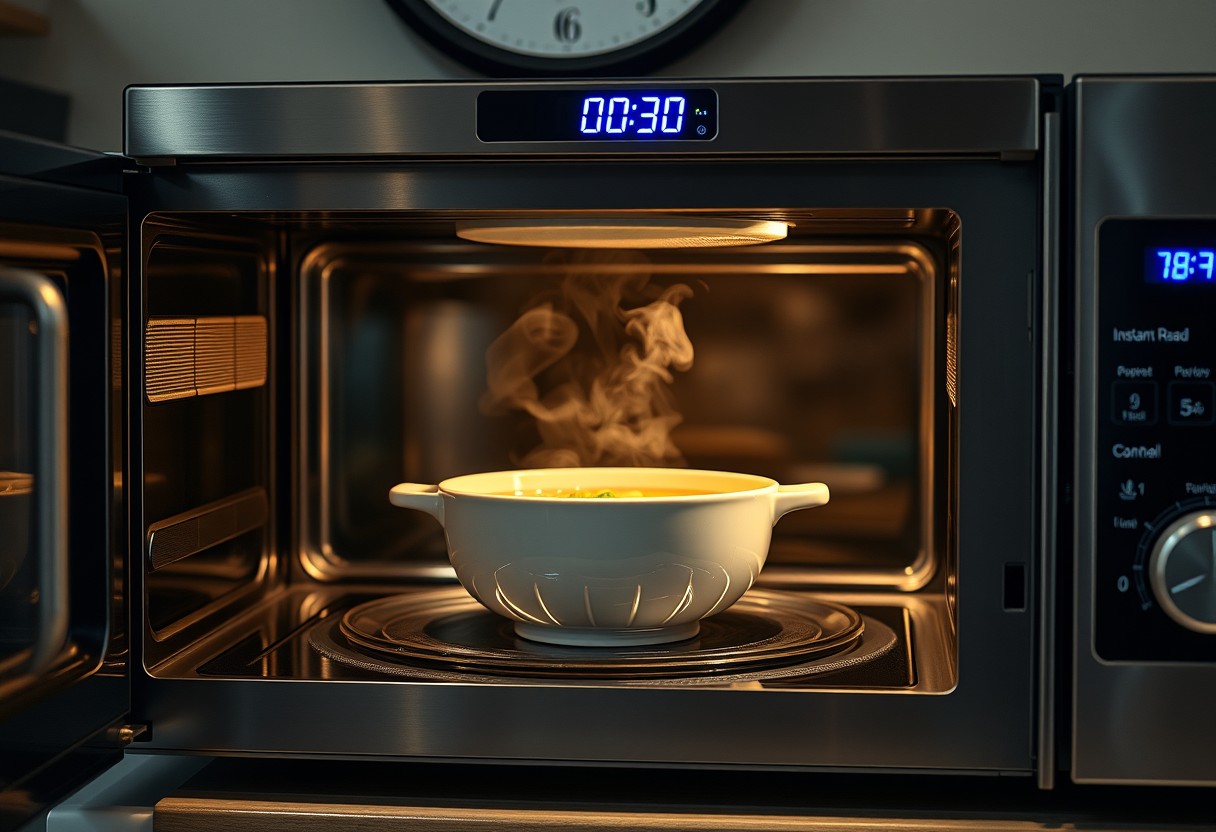
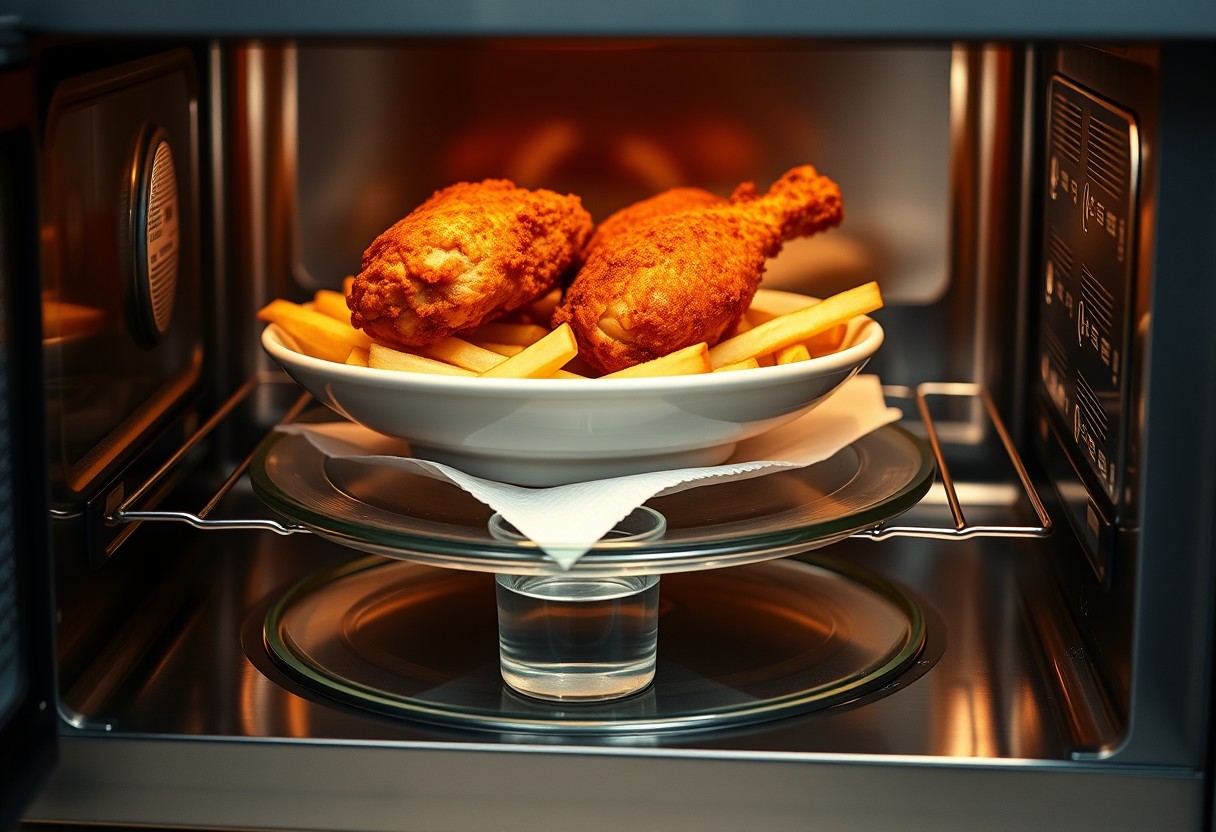
You’ve reheated the same bowl of soup a hundred times, but now it takes longer and heats unevenly. Aging components like the magnetron may be losing power, reducing efficiency over time. Electrical fluctuations or built-up grime inside the cavity can also sabotage performance. Even your habits-like using a different container or skipping stirring-can significantly alter … Read more
How to Reheat Food Without Creating Hot and Cold Spots

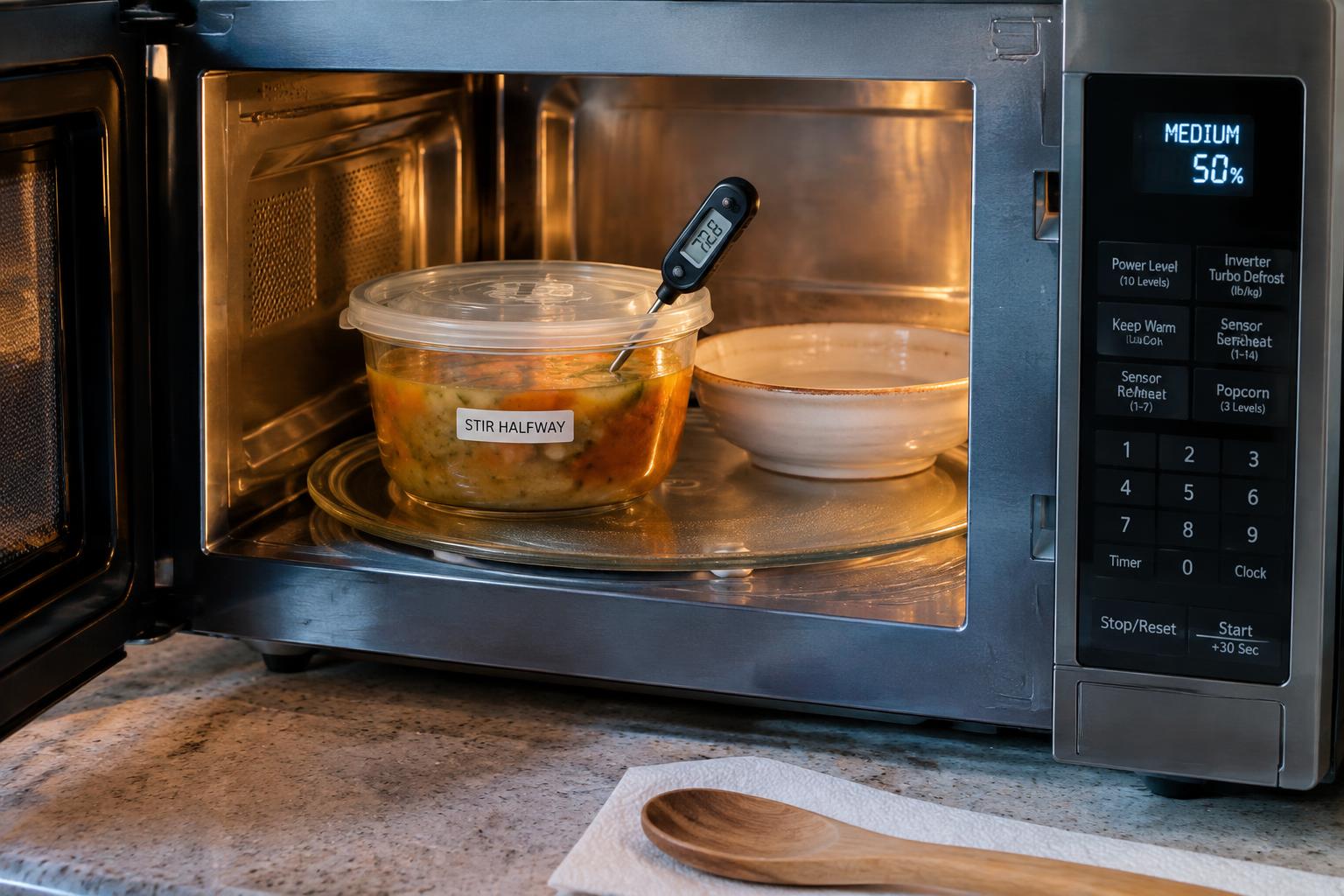
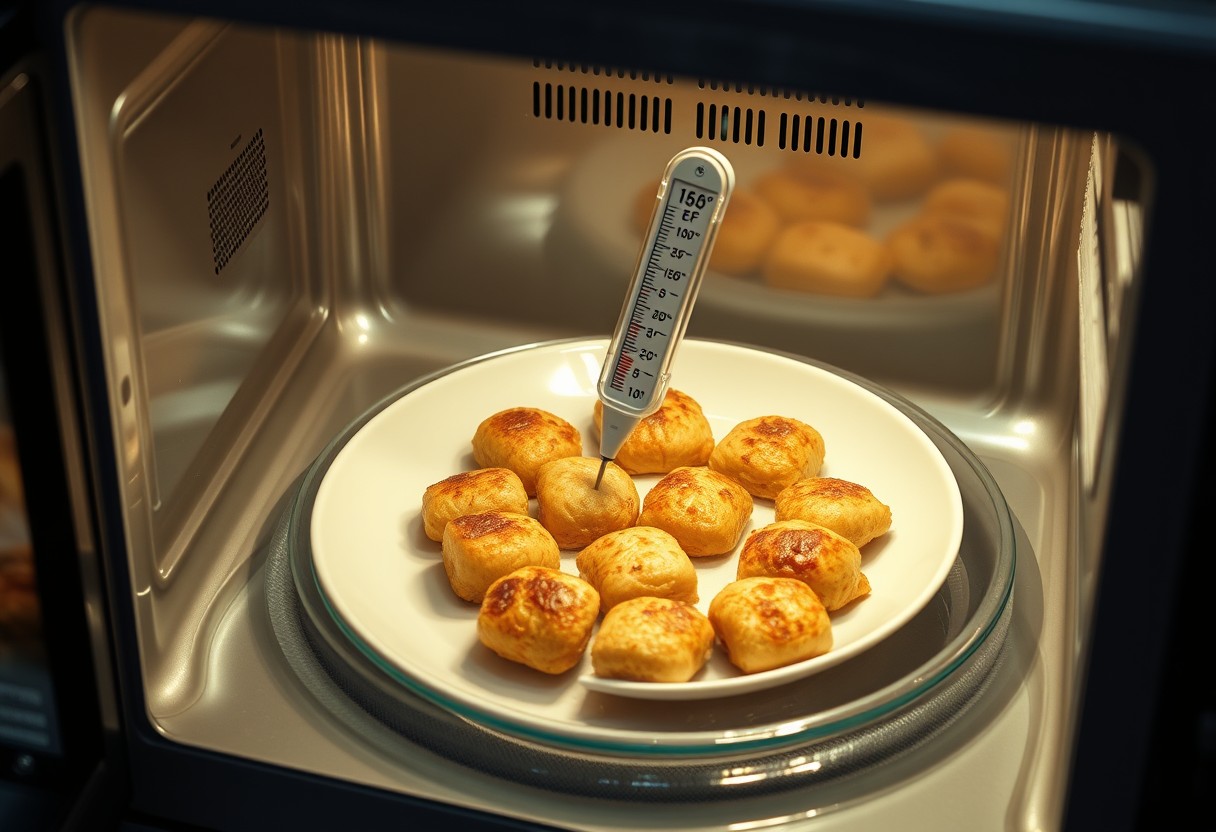
You’ve likely bitten into reheated leftovers only to find a scalding center next to a cold edge. This uneven heating isn’t just annoying-it can be a food safety risk, since cold spots may harbor harmful bacteria. The good news: with the right techniques, you can achieve even, safe, and appetizing results every time. This guide … Read more

Why Some Foods Explode in the Microwave and Others Don’t

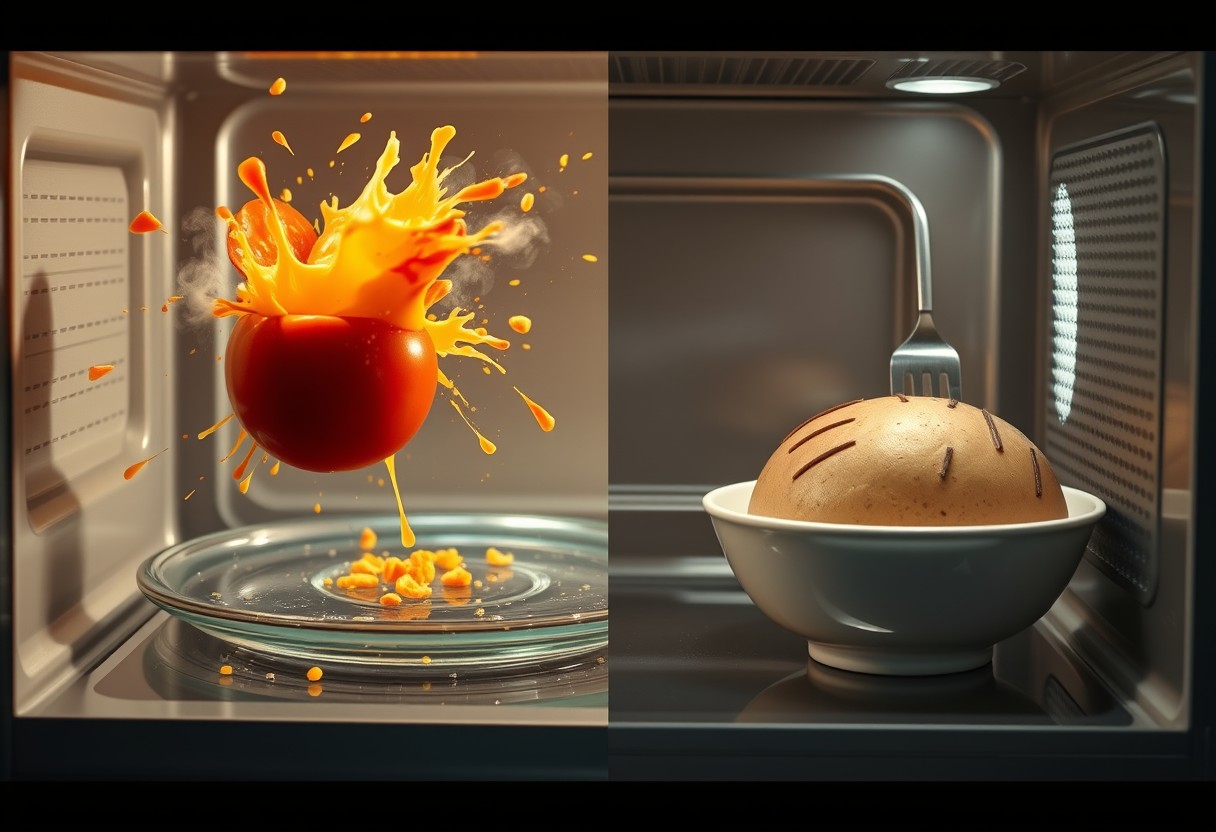
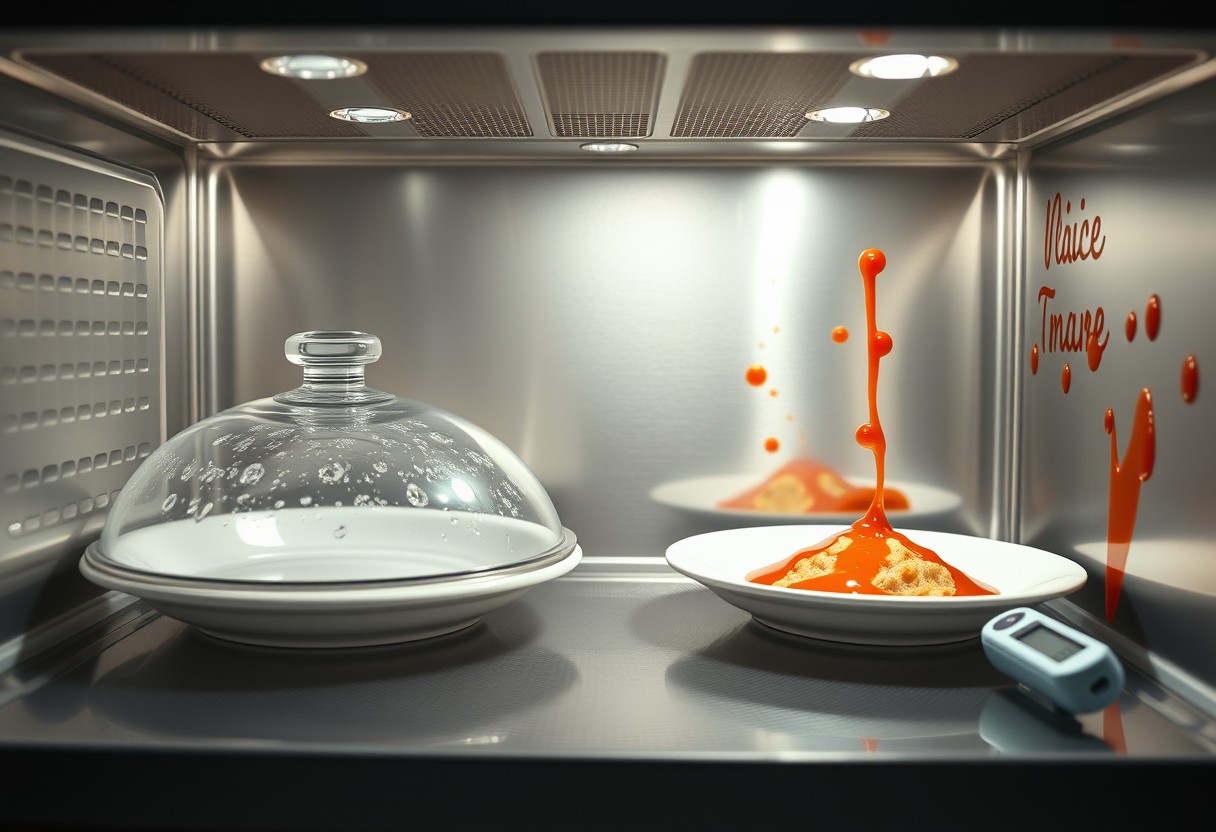
You’ve seen it happen-a bowl of soup sits calmly, then suddenly bursts into a volcanic mess, while a plate of bread heats evenly without incident. The difference lies in how microwaves interact with water, fat, and structure inside your food. Certain items trap steam under dense surfaces, creating dangerous pressure pockets that lead to explosive … Read more

How to Prevent Uneven Heating When Reheating Food in Deep Containers

You’ve likely encountered cold spots in the center of your meal while the edges scorch-this dangerous temperature imbalance can harbor bacteria. Reheating food in deep containers poses unique challenges due to limited heat penetration. But with the right techniques, you can achieve even, safe, and consistently hot results every time, preserving both flavor and food … Read more

Why Bread Turns Chewy in the Microwave-and Better Ways to Warm It

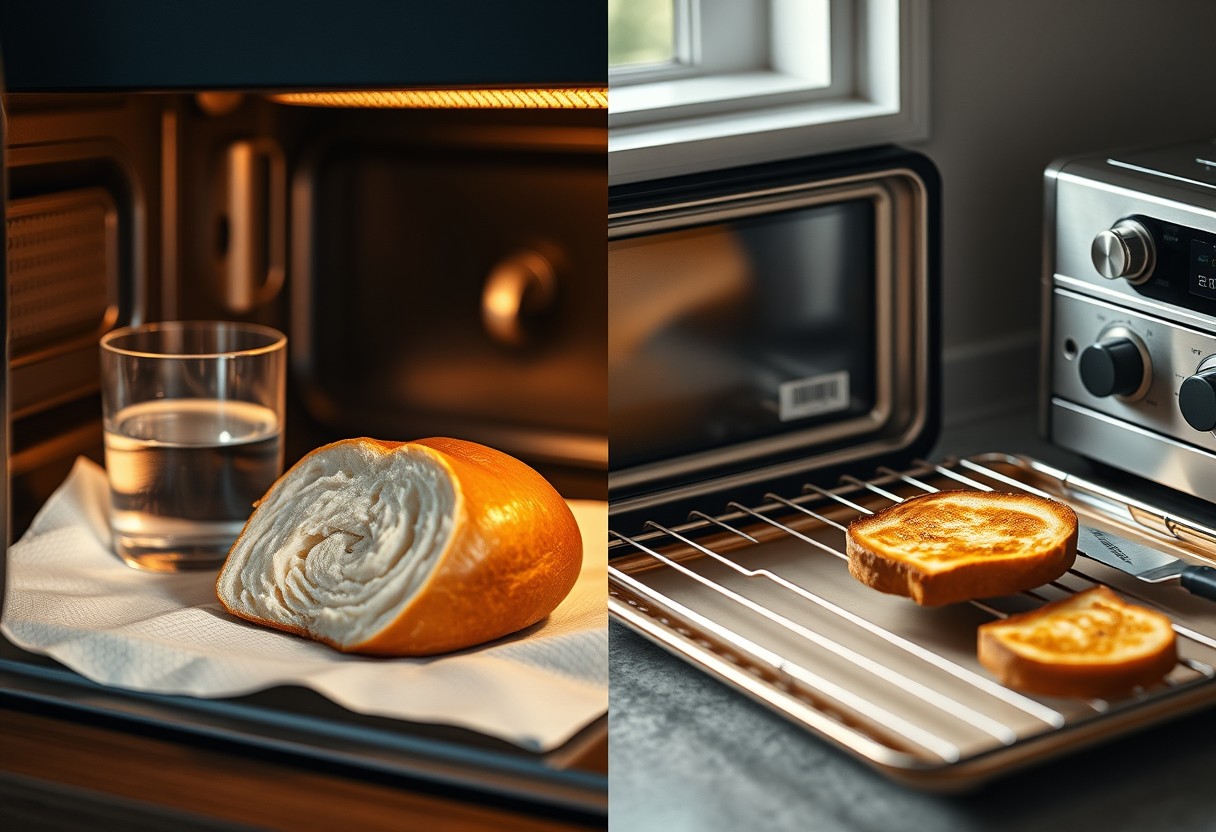
You’ve likely reheated bread in the microwave only to find it rubbery and unpleasant. This happens because microwaves excite water molecules unevenly, causing rapid starch changes that destroy texture. While convenient, the microwave often does more harm than good. You can preserve softness and flavor using smarter, accessible methods that protect the bread’s structure. Key … Read more

How to Reheat Pasta in the Microwave Without Making It Rubbery

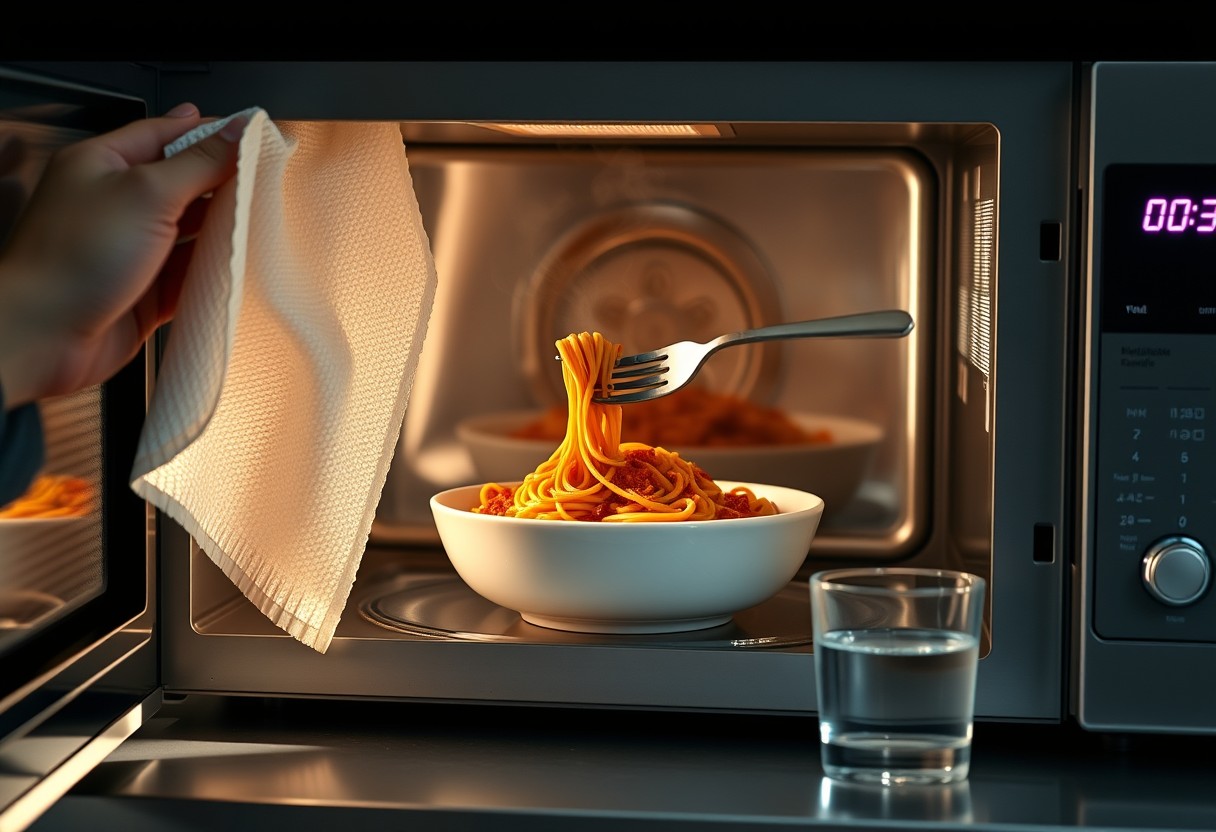
You can reheat pasta in the microwave without turning it into a dry, rubbery mess-the key is moisture and timing. Overheating or skipping hydration leads to tough, unappetizing results. With the right technique, your leftovers will taste nearly as good as fresh. This guide shows you exactly how to achieve perfectly warmed, tender pasta every … Read more

Why Covering Food in the Microwave Makes Such a Big Difference

You’ve likely reheated food only to find it soggy, dry, or exploded across the interior. Covering your dish isn’t just about preventing messy splatters-it’s key to even heating and retaining moisture. More importantly, a proper cover helps eliminate dangerous cold spots where bacteria can survive, making your meal both safer and more enjoyable. Key Takeaways: … Read more

Why Your Microwave Makes Food Dry Even When You Cover It

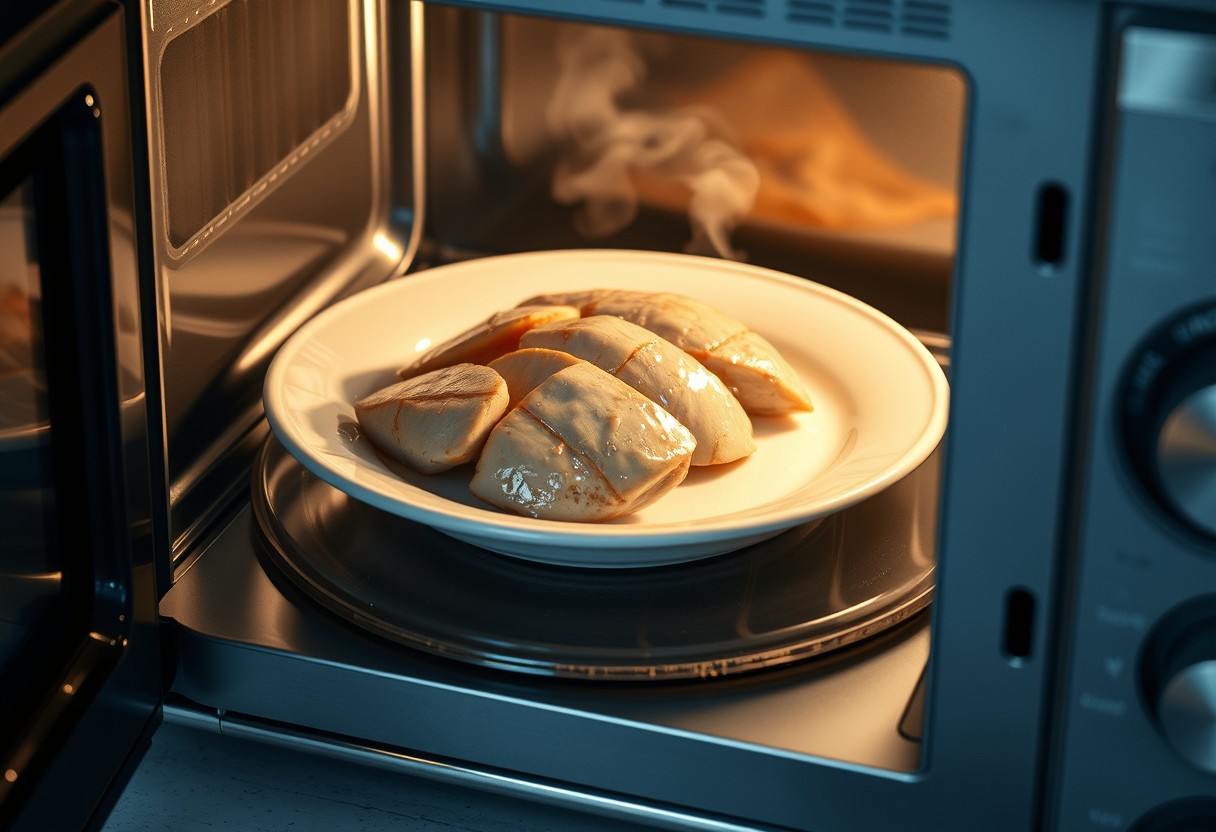
You’ve covered your leftovers, hit start, and still ended up with rubbery chicken or parched rice. Microwaves excite water molecules to generate heat, but that process often forces moisture out faster than it can be retained. Even with a lid, steam escapes or condenses unevenly, leaving parts of your meal dry. You’re not overheating-it’s how … Read more